


Audio By Carbonatix
The Bafta Film Awards will have more nominees next year in an attempt to increase the diversity of the stars and film-makers who are up for honours.
All four acting categories as well as the best director award will have six nominees, instead of the usual five.
Ten titles will be in contention for the outstanding British film award - four more than the customary six.
Earlier this year, Bafta was heavily criticised after picking an all-white line-up of acting nominees.
Meanwhile, no female film-makers were nominated for the best director prize for the seventh year running.
Organisers carried out a "detailed review" as a result, and said they would now also seek to "meaningfully target" 1,000 new voting members from under-represented groups.
The move, they said, was one in a series of steps "to ensure a more representative and inclusive membership that reflects today's British society".

In January, Blue Story director Rapman was among Bafta's many critics, saying it had done his gritty urban drama "dirty" by not shortlisting it for any awards.
Bafta said the review had begun as "a direct response" to the lack of diversity in its 2020 nominations, but had "soon expanded to encompass all aspects" of the organisation.
Bafta - the British Academy of Film and Television Arts - said the expansion of its outstanding British film award would enable it to "do more to champion the vast pool of multicultural British talent".
"One of the key issues raised time and time again... was that too much deserving work was not being seen," said film committee chair Marc Samuelson.
Judged 'on merit alone'
"The changes we are implementing are designed to ensure these films are seen and judged on merit alone."
Changes to campaigning rules will seek to ensure "a fairer consideration of all films regardless of marketing budget".
Bafta said this would ensure "smaller" films were not "left out of the conversation" and would have as much "visibility" as titles backed by major studios.
More female directors
Changes to Bafta's voting practices will ensure the best director jury will have a guaranteed number of female film-makers to choose from.
The final six nominees will be drawn from an expanded longlist of 20 names, half of which will be female.
Bafta said this would help to address "a historic lack of female representation in the directing category".

Only five women have ever made the shortlist for the best director award, which Bafta first presented in 1969.
Kathryn Bigelow, the only woman to win, for The Hurt Locker in 2010, was also the last woman to be shortlisted when she was nominated in 2013 for Zero Dark Thirty.
All voting members will also now be required to take a "specially designed bespoke" course in "conscious voter training".
Bafta said that would help its members "navigate and recognise the wider societal influences that can impact the voting process".

In the case of the overall best film award, all voters will be required to watch all 15 movies on the longlist. The shortlist will continue to consist of five films.
Bafta's review was led by its chair Krishnendu Majumdar, Samuelson and a steering group that included former Doctor Who actor Noel Clarke, academic Sadia Habib and ITV's head of diversity Ade Rawcliffe.
Mr Majumdar praised them for "bravely sharing their experiences of racism and discrimination" during "tough, chastening [and] captivating" sessions.
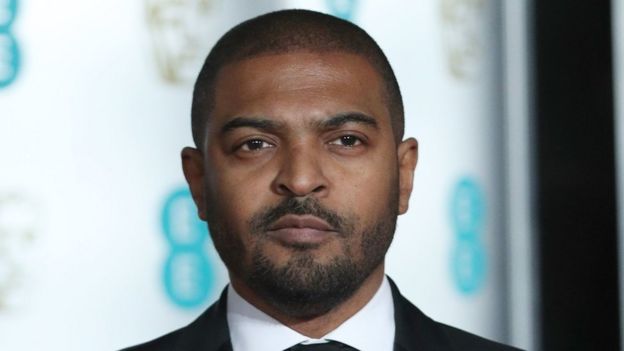
"This is a watershed moment for Bafta," the TV producer said in a statement. "The Academy has never opened itself up like this before."
Bafta's chief executive Amanda Berry concurred, saying the review was "a fantastic opportunity... to make substantial cultural and organisational change".
Bafta said "significant changes" to its Television Awards would be announced in October and that its Games and Children's Awards would also be reviewed.
The 2021 Bafta Film Awards are scheduled to take place on 11 April, two months later than usual due to the coronavirus pandemic.
Latest Stories
-
Church of Pentecost supports over 2,000 BECE candidates in Obuasi with career guidance seminar
32 minutes -
Brandon Asante and Coventry all but promoted to Premier League despite Sheffield Wednesday draw
54 minutes -
GPL 2025/26: Late Kwartemaa strike downs Hearts in Tema
1 hour -
Ghana Faces Sierra Leone Moment as Prosecutorial Powers come under strain
1 hour -
Don’t consume fish or seafood from Tema Shipyard until further notice – FDA warns
1 hour -
Why volunteering might be Africa’s most underrated career accelerator
1 hour -
ActionAid Ghana raises concern over gender gaps in Feed Ghana Programme
1 hour -
Windstorm wreaks havoc in Gushegu, displacing nearly 2,000 residents and damaging schools
1 hour -
Friends of Bridget Bonnie Marks her 35th birthday with donation to Kasseh Model Health Centre
2 hours -
From Ekumfi Kokodo to the Pulpit Stage: Essi Donkor’s gospel journey takes shape
2 hours -
Landfilling waste management creates no value, it’s an economic waste
3 hours -
Photos: Speaker Bagbin Commissions MPs constituency office under parliamentary decentralisation programme
3 hours -
Black Stars technical advisor Winfried Schäfer sacked as GFA shakes up backroom staff
3 hours -
Wenchi water project almost complete, critical to gov’t agenda – GWL MD
3 hours -
Anti-LGBTQ+ bill not part of government’s legislative agenda – Inusah Fuseini
3 hours