

Audio By Carbonatix
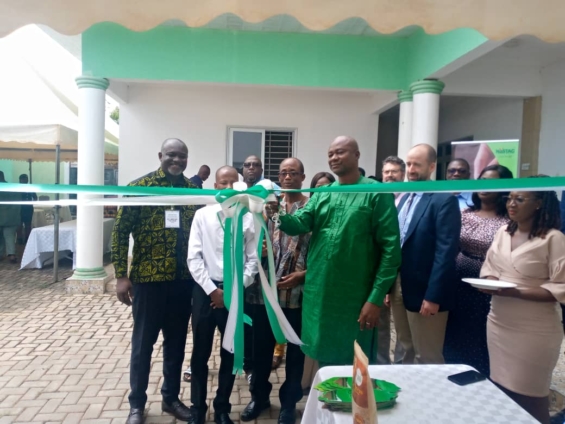
The Deputy Minister for Agriculture, Hardi Tufeiru, has indicated that certified seed use by farmers in the country has seen a significant increase following the introduction of the Planting for Food and Jobs programme.
He said about 40 percent of farmers now use improved seeds for farming.
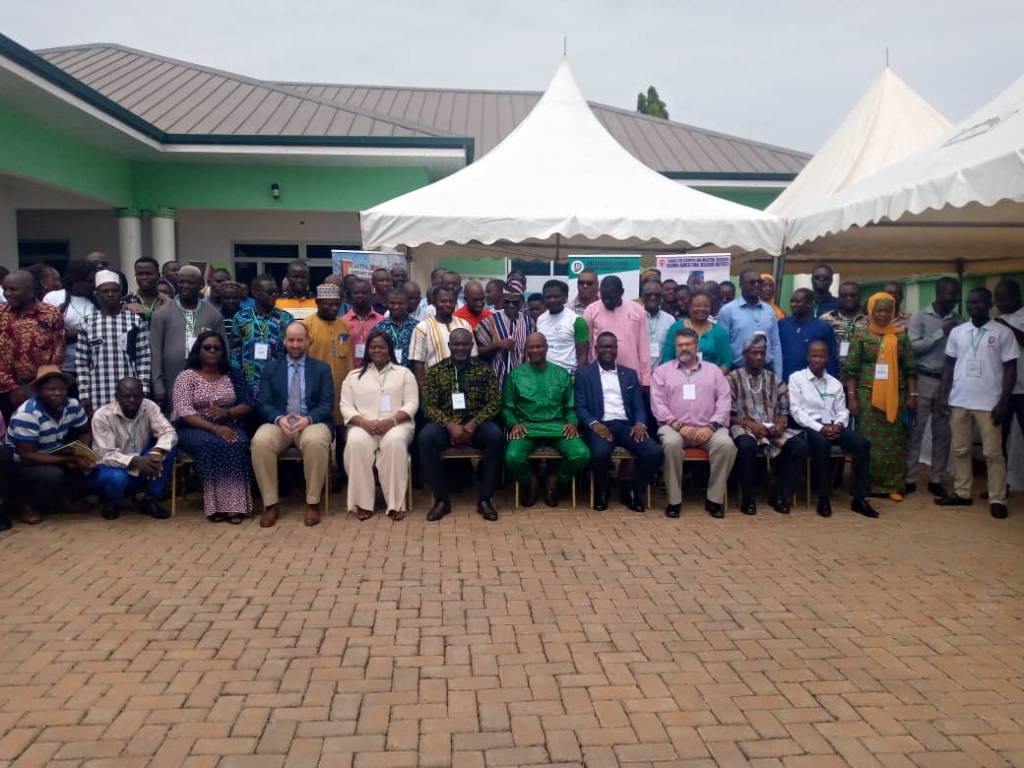
The Deputy Minister, who said this at the 4th National Seed Business and Networking Forum Seed Link 2023 in Tamale, said while this represents significant progress, there is a need for more farmers to adopt the practice.
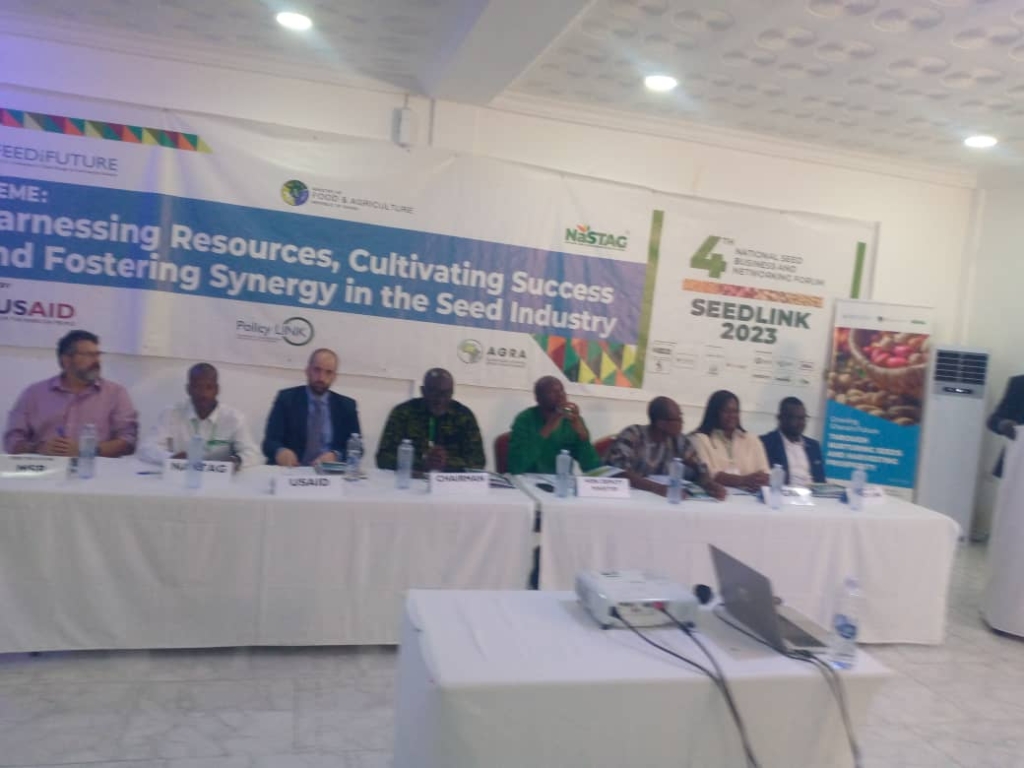
“From 2017 to 2022, we have seen a surge in the use and application of certified seed by farmers. We have seen that farmers have been advised and encouraged to use certified hybrid, open varieties of the certified seed in Ghana from less than 10 percent to now 40 percent. So you can see that a lot more farmers now see that if you use hybrid seed, your chances of productivity is higher than the traditional reuse seeds,” he said.
Mr Tuferu said Ghana in 2020 produced over 17,000 metric tons of certified seeds, adding that even though this success was achieved, government had to import maize seeds for planting because of the non-availability of maize seeds.
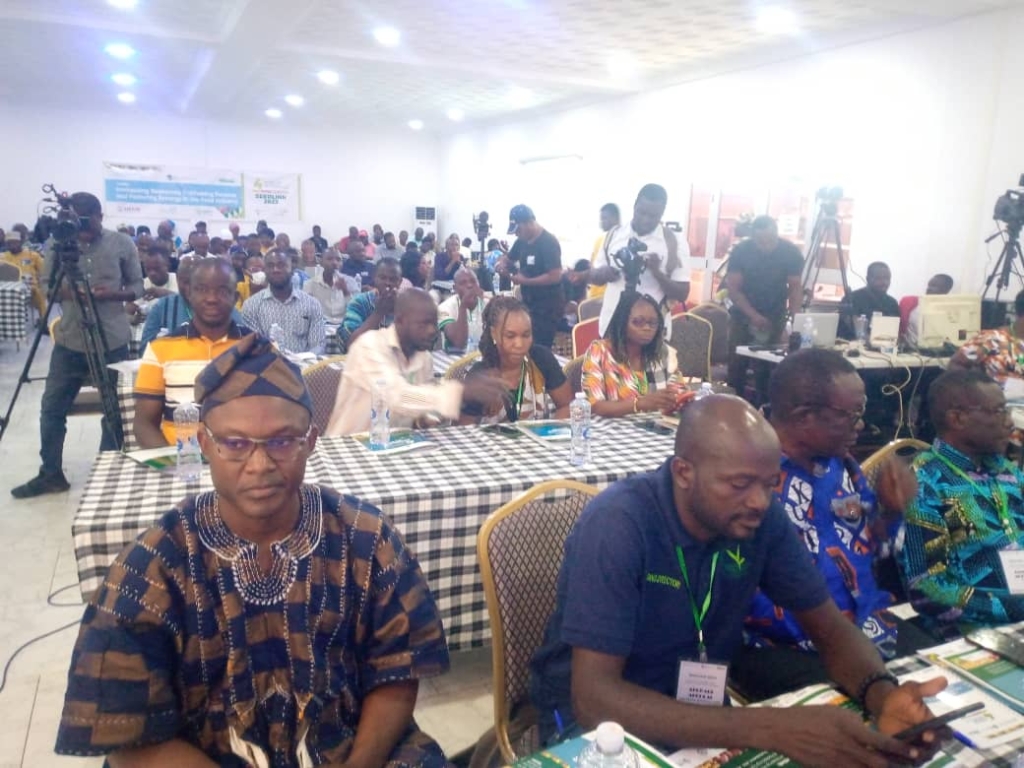
He therefore urged the seed producers to take advantage of the market and produce to meet the demand.
The President of the National Seed Trade Association of Ghana (NASTAG), Dr Amos Rutherford Azinu said the past few years have been nothing short of exceptional within Ghana's seed sector.
He said the country has witnessed an upsurge in the demand for certified high-quality seeds. Dr Azinu said farmers are in search of high-yield, resilient, pest-resistant seeds to enhance crop productivity.
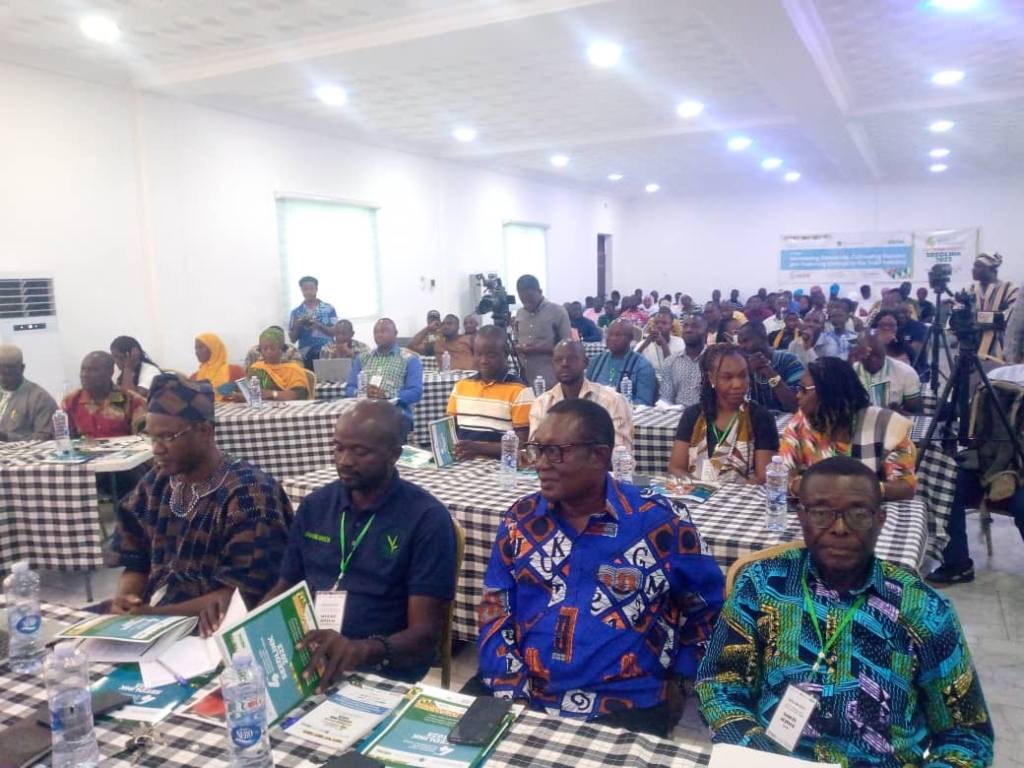
”The private sector has joined this endeavor, significantly boosting farmers’ access to quality seed.”
He stated that they have made notable strides in combating climate change by introducing different varieties of weather-resistant crops.
A seed producer and lecturer at the University for Development Studies, Dr Sanatu Mustaha Alidu outlined land acquisition, land preparation, equipment among others as challenges faced by female seed producers.
”It starts right from the acquisition of land, you would have to get a male in that same field to help you acquire the land. It is a well-known fact that if a woman gets to a community to meet the chief of that community to look for land, she must get a male to accompany her,” she said.
Dr Sanatu called for the roping in of more women in the sector to help increase the voices of women and also empower women.
Latest Stories
-
Brandon Asante and Coventry all but promoted to Premier League despite Sheffield Wednesday draw
17 minutes -
GPL 2025/26: Late Kwartemaa strike downs Hearts in Tema
23 minutes -
Ghana Faces Sierra Leone Moment as Prosecutorial Powers come under strain
33 minutes -
Don’t consume fish or seafood from Tema Shipyard until further notice – FDA warns
37 minutes -
Why volunteering might be Africa’s most underrated career accelerator
44 minutes -
ActionAid Ghana raises concern over gender gaps in Feed Ghana Programme
46 minutes -
Windstorm wreaks havoc in Gushegu, displacing nearly 2,000 residents and damaging schools
48 minutes -
Friends of Bridget Bonnie Marks her 35th birthday with donation to Kasseh Model Health Centre
2 hours -
From Ekumfi Kokodo to the Pulpit Stage: Essi Donkor’s gospel journey takes shape
2 hours -
Landfilling waste management creates no value, it’s an economic waste
2 hours -
Photos: Speaker Bagbin Commissions MPs constituency office under parliamentary decentralisation programme
2 hours -
Black Stars technical advisor Winfried Schäfer sacked as GFA shakes up backroom staff
2 hours -
Wenchi water project almost complete, critical to gov’t agenda – GWL MD
3 hours -
Anti-LGBTQ+ bill not part of government’s legislative agenda – Inusah Fuseini
3 hours -
Anti-LGBTQ Bill: Forget the rumour mongers, I’m a man of action, and will pass the bill – Speaker
3 hours