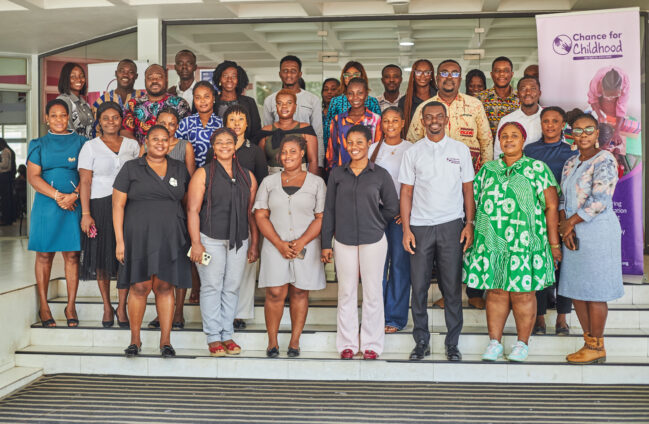
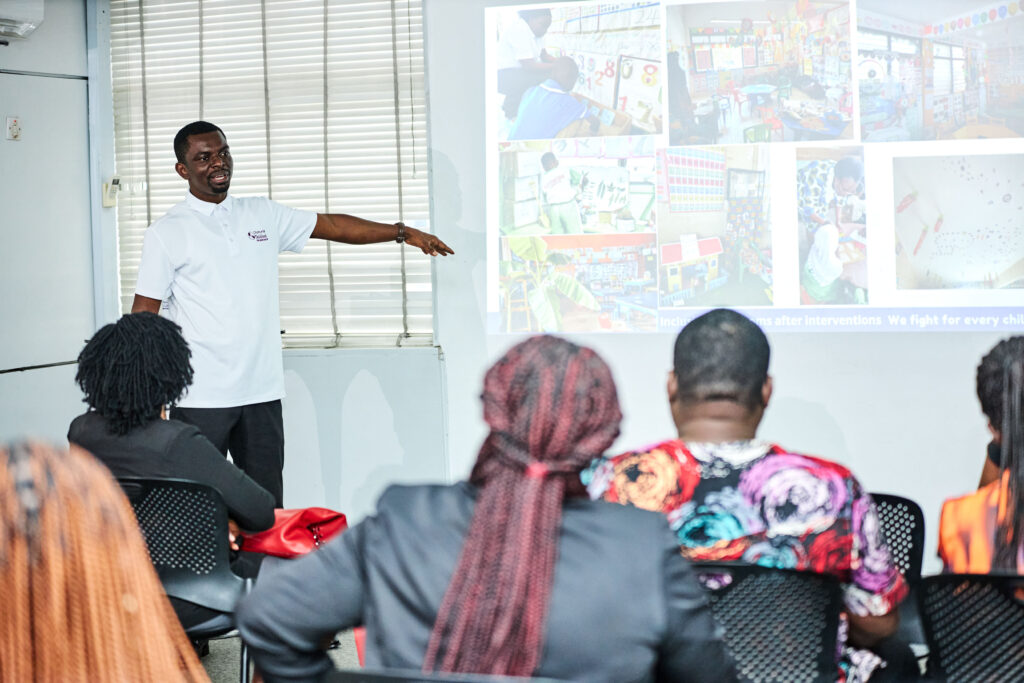
The Country Representative and Safeguarding Lead at Chance for Childhood, Richard Opoku, and the Vice President of the Ghana Journalists Association (GJA), Rebecca Ekpe, have called for increased investment in inclusive education to remove barriers preventing children with disabilities and special educational needs from fully participating in mainstream schools.
Mr Opoku said inadequate funding remained a major challenge to the implementation of Ghana’s Inclusive Education Policy, introduced in 2015 by the Ministry of Education and the Ghana Education Service (GES).
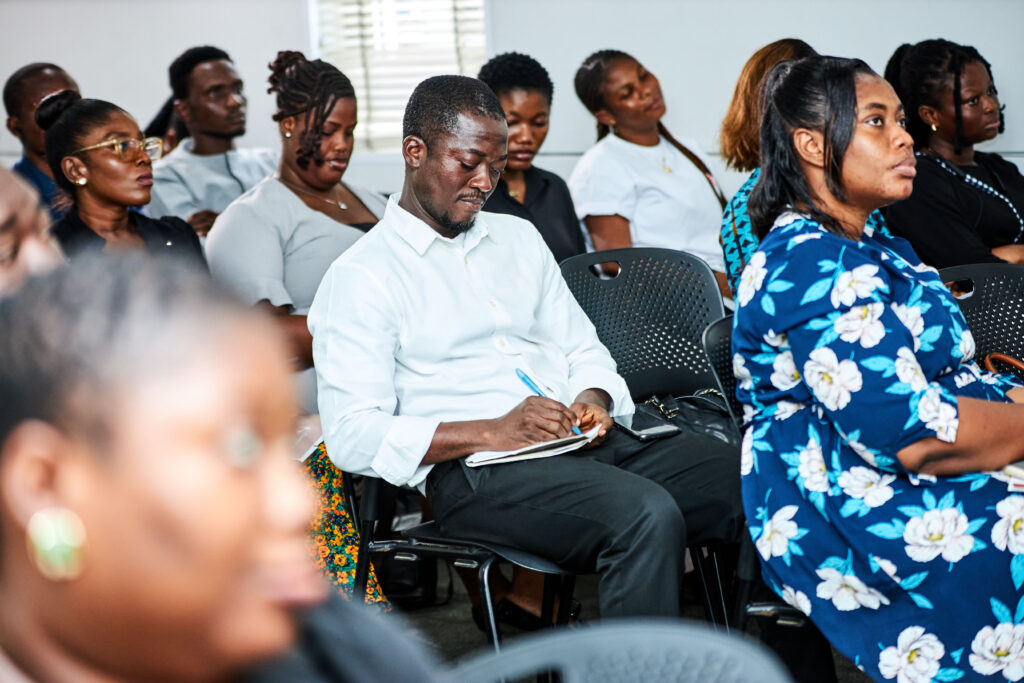
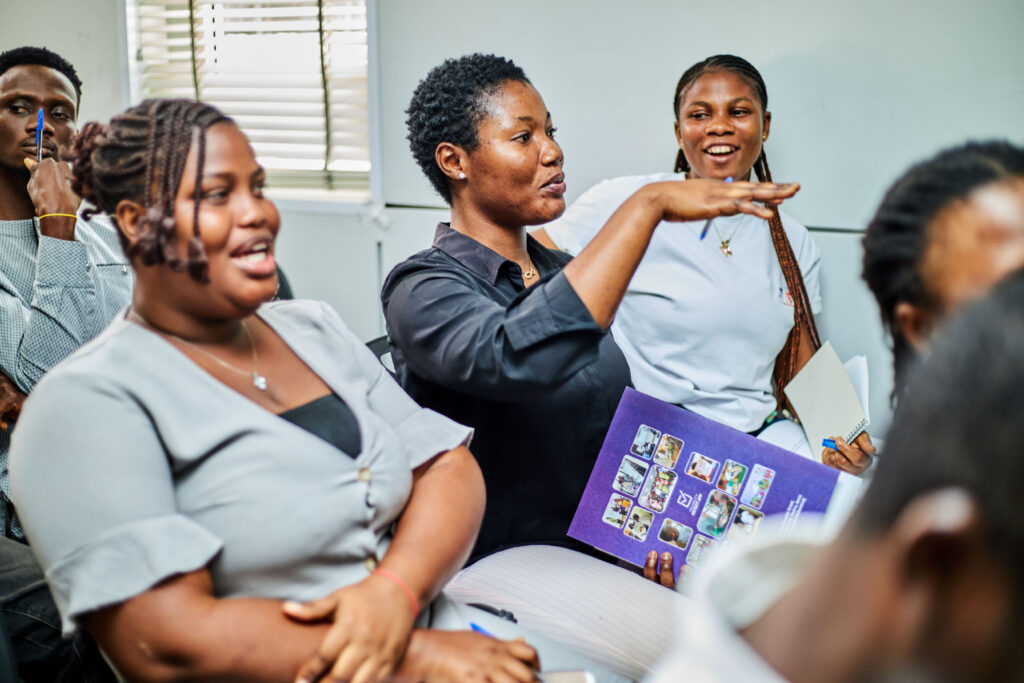
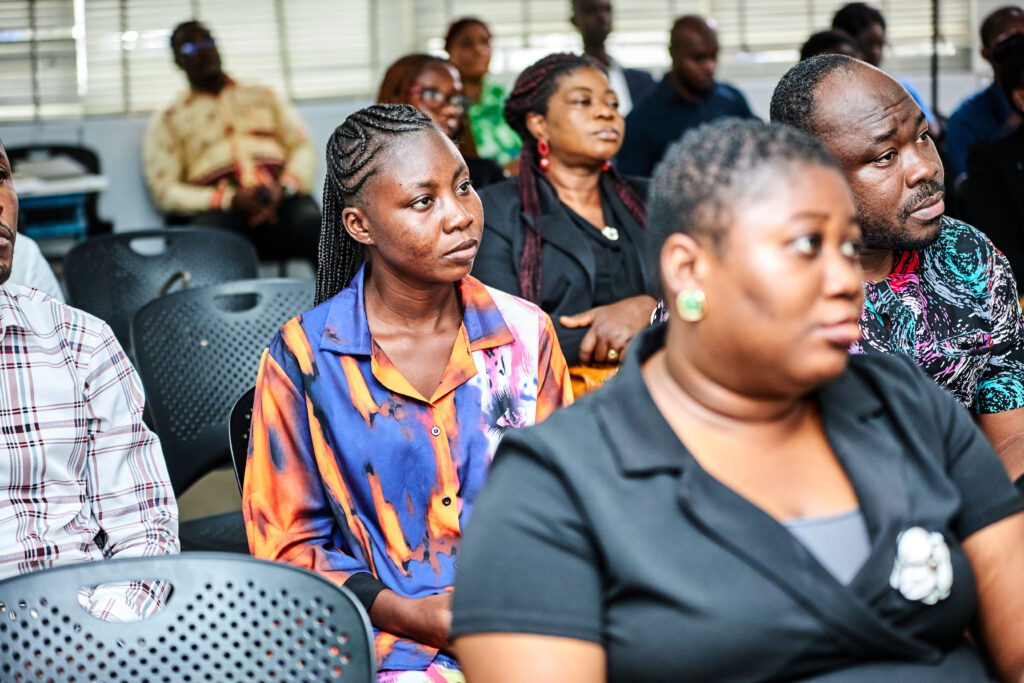
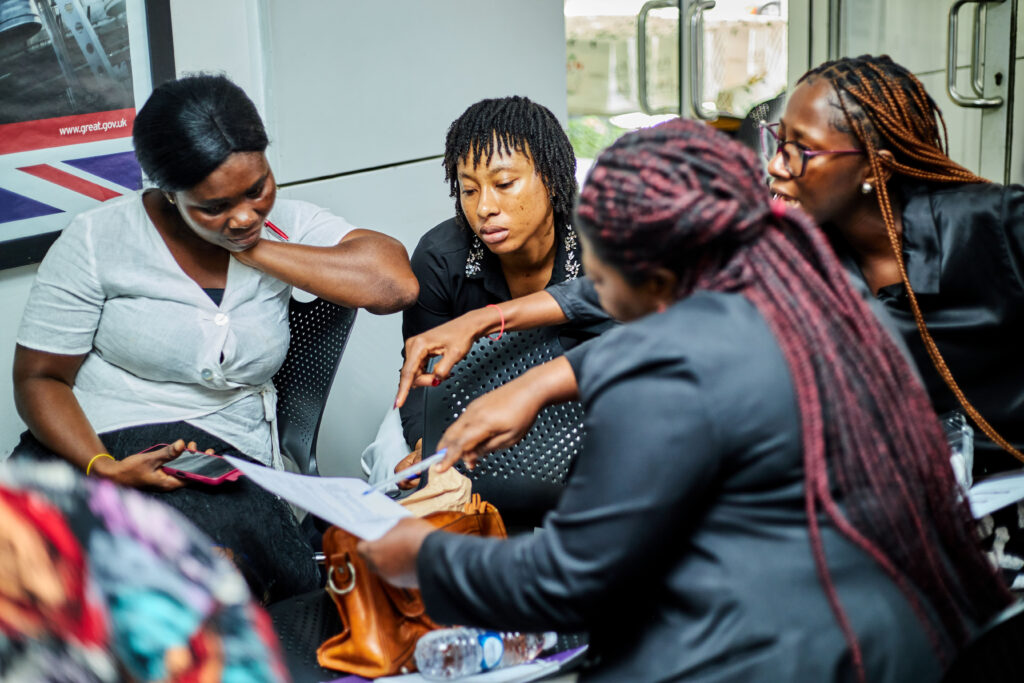
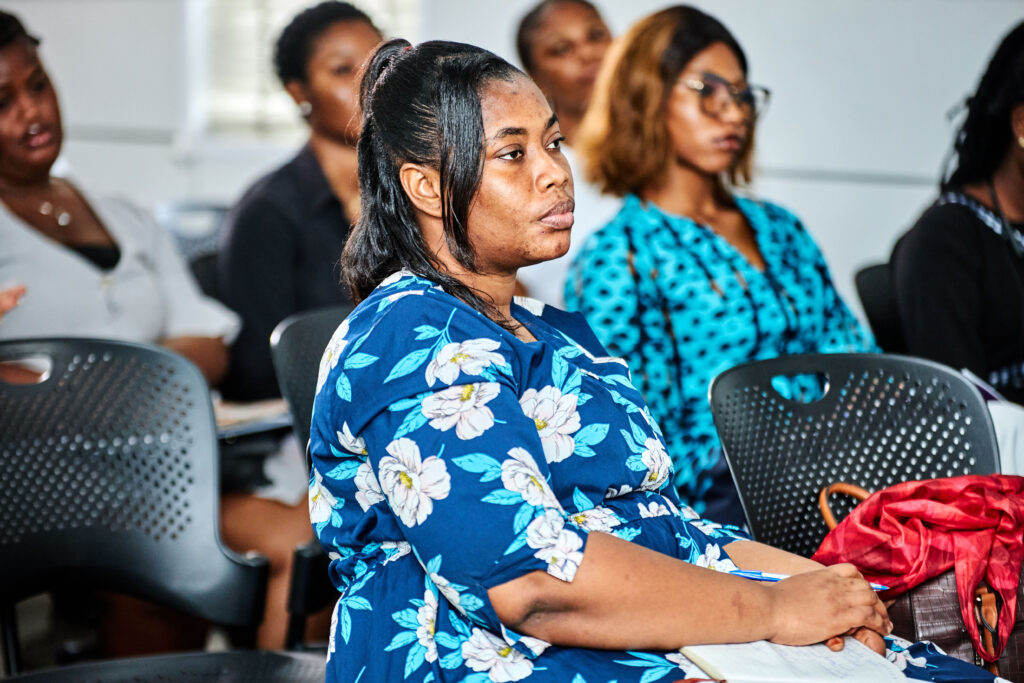
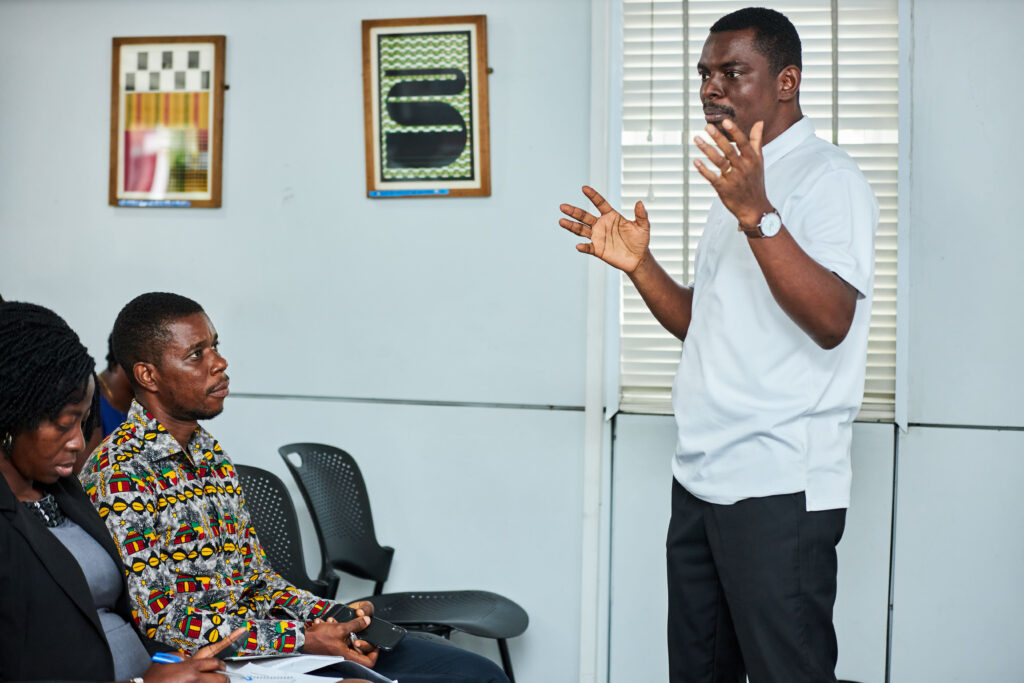
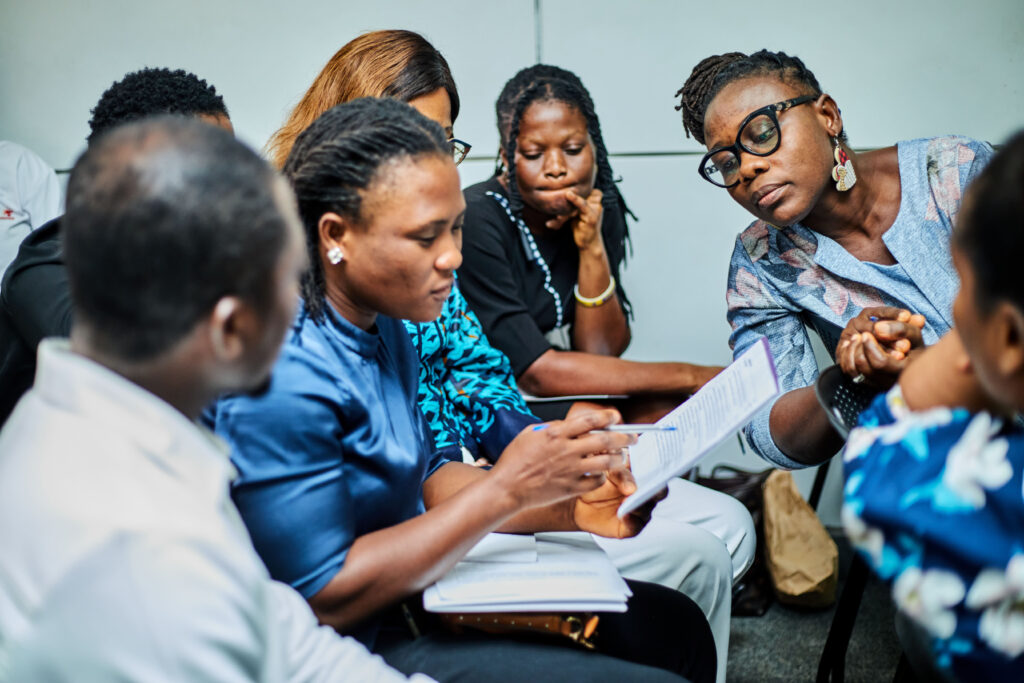
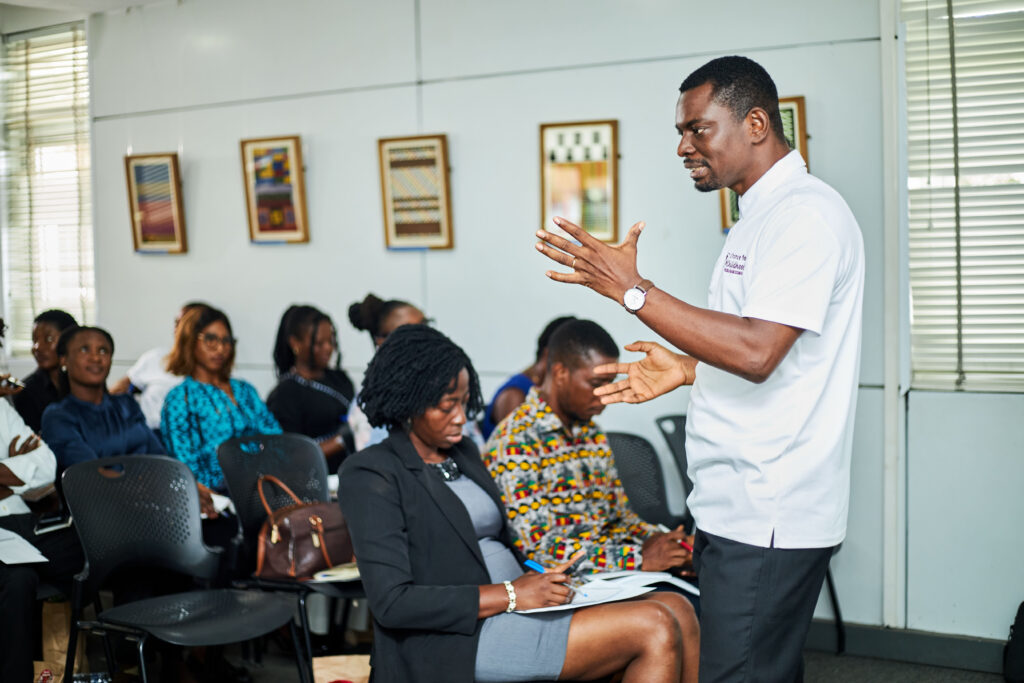
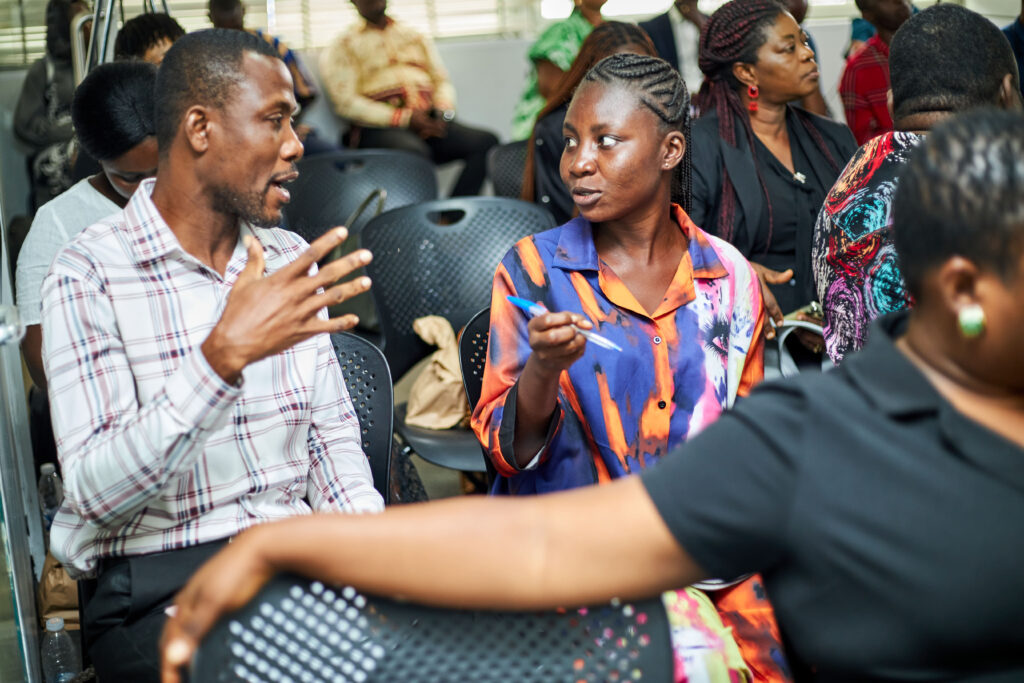
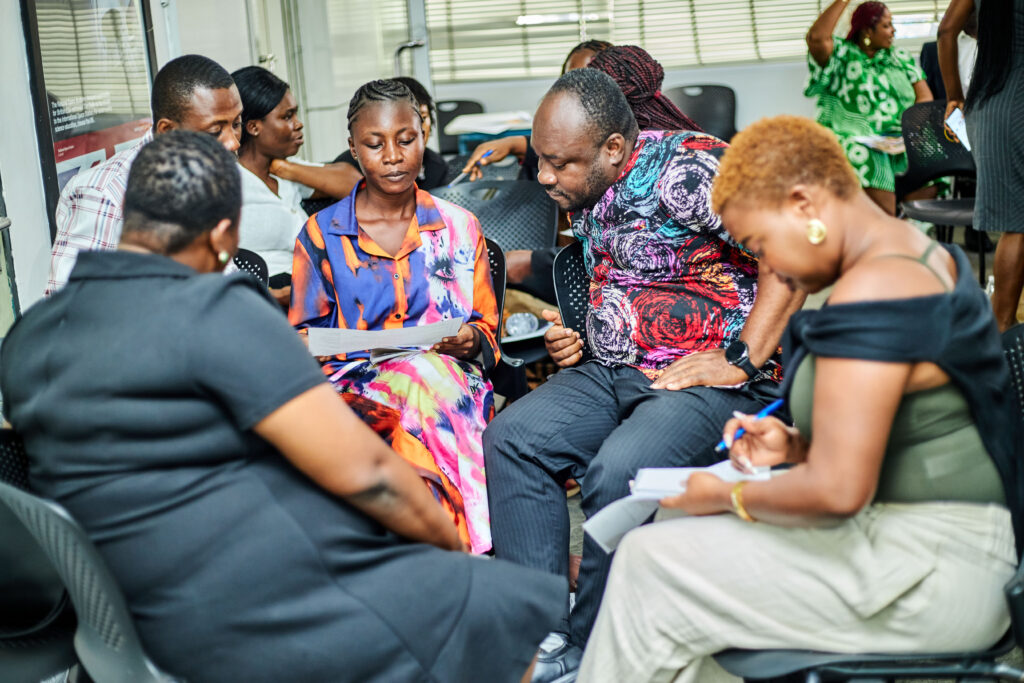
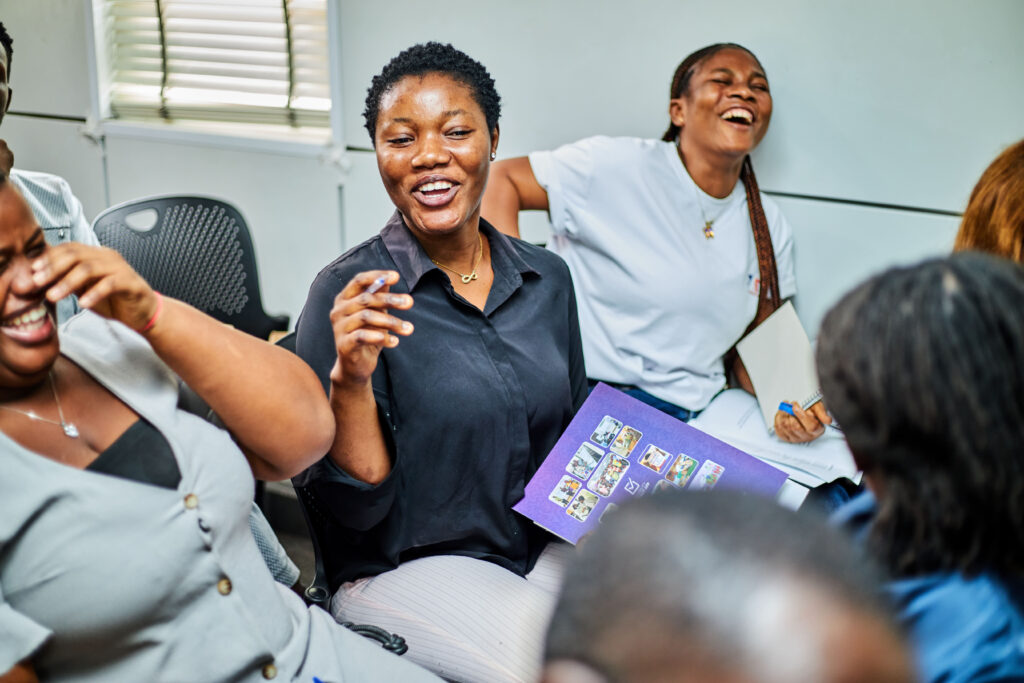
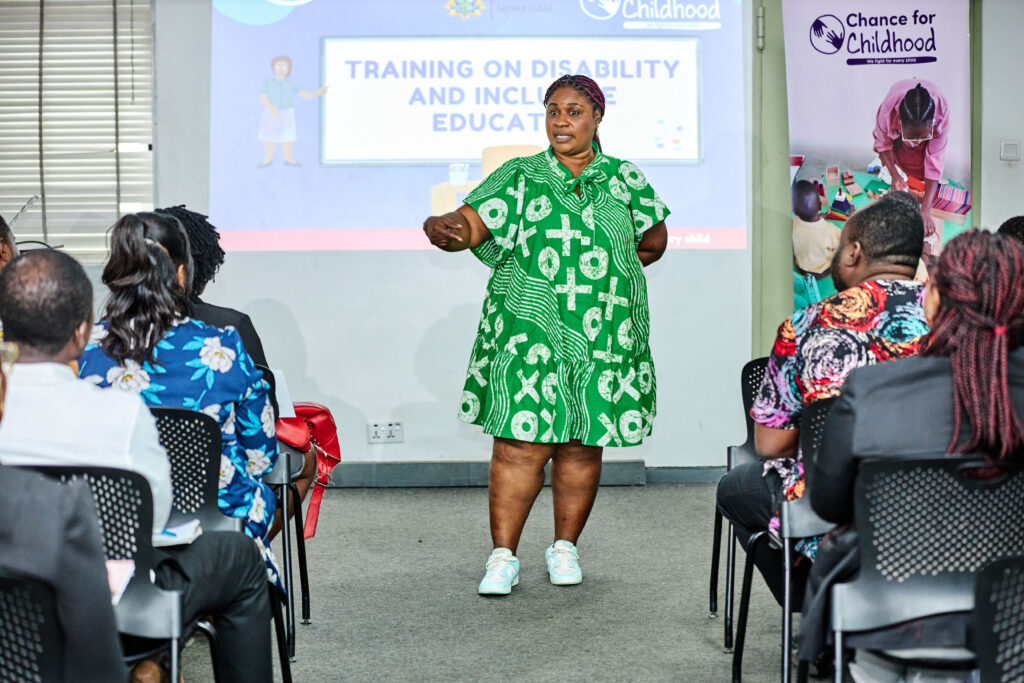
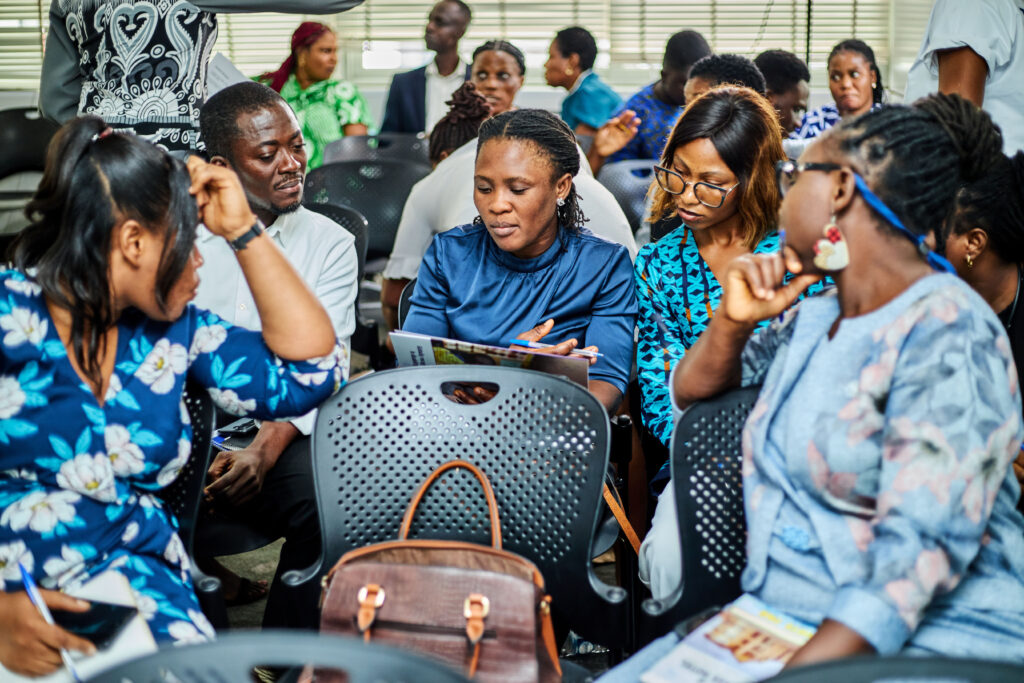
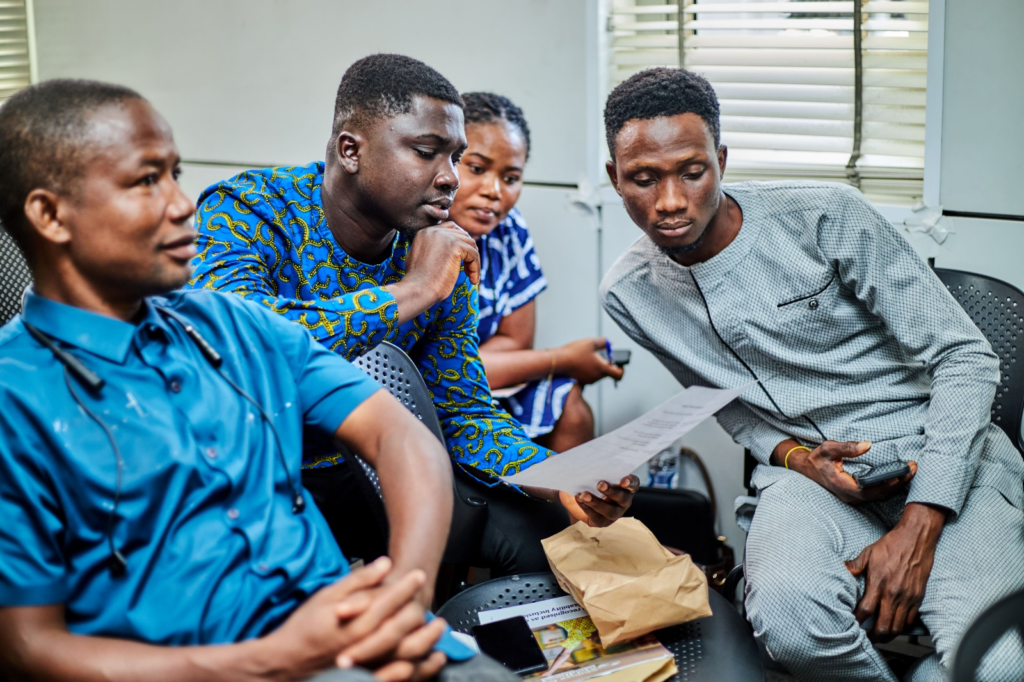
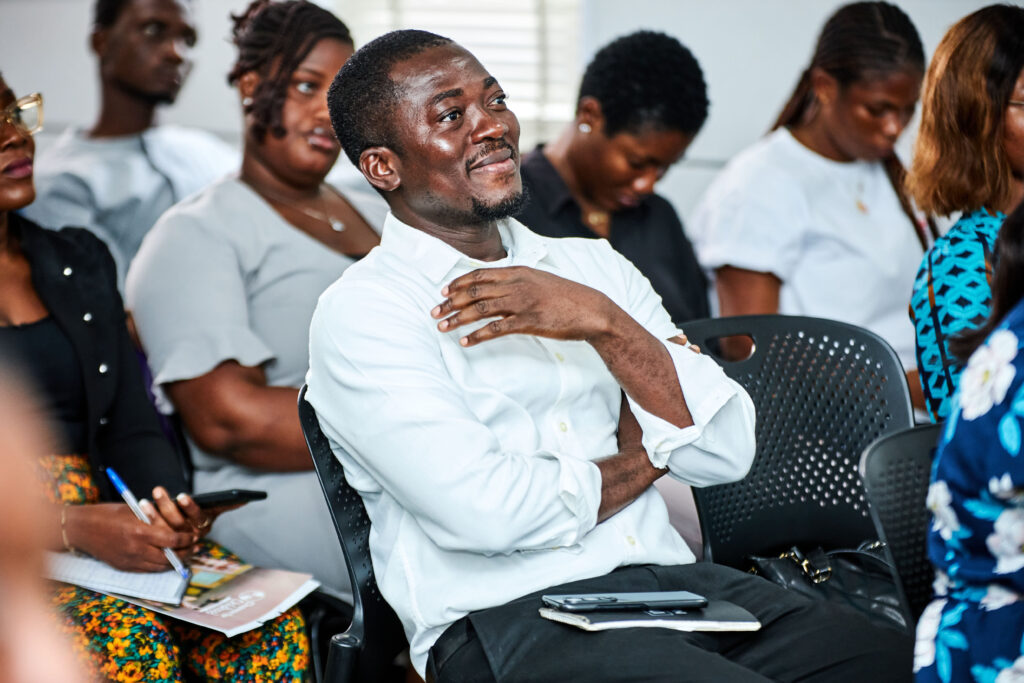
He made the call when he spoke to journalists on the sidelines of a Media Workshop on Disability and Inclusive Education held at the British Council on Tuesday, September 8.
According to him, although the policy provides an important framework for promoting inclusive education, its success depends on adequate resources to translate its provisions into meaningful support for children.
“The main challenge is with the implementation of the policy because of largely inadequate funding,” he said.
Mr Opoku said funding for inclusive education had consistently remained below one per cent of the overall education budget, limiting the provision of essential support for children with disabilities.
He therefore appealed to the government to increase the allocation to at least two per cent, particularly to fund teacher training and appropriate teaching and learning materials.
“We will want to make a special appeal to the government that it should consider the budget allocation for the implementation of inclusive education,” he said.
He said increased investment would help ensure that children with different disabilities and special educational needs could learn alongside their peers in mainstream schools.
“This will ensure that all children, regardless of their disabilities and special educational needs, are able to participate and learn in the mainstream schools,” he added.
Mr Opoku also stressed the need for continuous capacity building for teachers working with children with disabilities.
He said regular training was necessary to equip teachers with the knowledge and skills required to respond to the varying needs of learners.
He further called for greater recognition and motivation for teachers who had devoted their careers to supporting children with disabilities.
According to him, motivation should not be limited to financial incentives, although additional funding would be beneficial.
“There are other ways that we can motivate teachers who have devoted their time to teaching children who have disabilities,” he said.
Madam Ekpe also called for increased government funding, saying inadequate resources, poorly trained teachers and infrastructure deficits continued to undermine inclusive education.
She said the current allocation of less than one per cent should be increased to at least two per cent to support teaching and learning materials, particularly assistive technology that could help remove barriers faced by children with disabilities.
“Without money, we all know that the policy remains [unfulfilled],” she said.
She cited statistics indicating that more than 80 per cent of teachers lacked the necessary training to effectively support inclusive education.
“If you do not have the teachers to teach, I think we are going nowhere,” she said.
Madam Ekpe also urged journalists to expose infrastructure gaps in schools, noting that about 80 per cent of schools reportedly lack essential accessible facilities, including laboratories, toilet facilities and suitable furniture.
She further cited statistics indicating that about 1,700 children with severe communication impairments were out of school, saying the situation required sustained public and media attention.
The two speakers stressed the important role of the media in changing public perceptions about disability.
Mr Opoku said the language, images and voices used in news reports could either reinforce stigma and discrimination or promote a society that respected the rights, dignity and potential of persons with disabilities.
He urged journalists to report disability-related issues responsibly and sensitively, while giving affected persons greater space to tell their own stories.
Madam Ekpe similarly urged journalists to use their platforms to amplify the concerns of persons with disabilities and investigate exclusion within their own communities.
“Our responsibility is to amplify the voices of those who do not have a voice,” she said.
She encouraged journalists to move beyond national statistics and identify disability-related challenges within their immediate communities, arguing that local reporting could expose barriers that might otherwise remain unnoticed.
Mr Opoku said achieving meaningful inclusion required a collective effort involving government, schools, civil society organisations, NGOs, corporate institutions, the media and the wider public.
He said the media workshop was intended to strengthen journalists’ understanding of disability and inclusive education and equip them to use their platforms to promote a more inclusive society.
“The main reason why we organised this event is to ensure that, collectively, we strengthen our understanding about disability and inclusive education, so that we can use our various media platforms to ensure that we build a more inclusive Ghana,” he said.
He urged stakeholders to support and motivate teachers working to prevent children with disabilities from being excluded from the education system.
Madam Ekpe, meanwhile, called on journalists to leave the engagement committed to making society “less disabling and more disability-friendly”, stressing that sustained media attention could help influence policy, challenge stigma and promote equal access to education for all children.
DISCLAIMER: The Views, Comments, Opinions, Contributions and Statements made by Readers and Contributors on this platform do not necessarily represent the views or policy of Multimedia Group Limited.
DISCLAIMER: The Views, Comments, Opinions, Contributions and Statements made by Readers and Contributors on this platform do not necessarily represent the views or policy of Multimedia Group Limited.