

Audio By Carbonatix
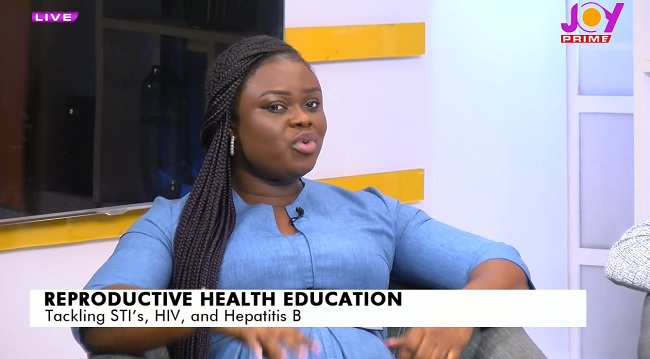
The Health Director of the Ayawaso West Municipality, Abena Yeboah, has advised the youth to change condoms after every round of sexual intercourse.
Condoms are contraceptives that help protect and prevent sexually transmitted diseases. However, she said the unsanitary use of it by some young people has changed its trajectory.
Speaking to Asieduwaa Akumia on Prime Morning on Tuesday, the senior medical doctor disclosed that using one condom multiple times exposes people to STIs, which can be detrimental to one’s health, hence the need to change condoms so as to protect one's self from diseases.
"Every condom has a probability of getting torn. This is because you are not supposed to use condoms for too long. Once you are done using it and you ejaculate, you take it off and throw it away. There is no time limit for wearing a condom, but after you climax, just take it off. After one round, use another condom for the next," Dr. Abena urged.
According to her, STI cases in the country are rapidly growing due to the unhealthy sexual practices people indulge in.
She further explained that it is important for people to pay close attention to the fact that all condoms have a probability of tearing during or after intercourse. Though there are a plethora of reasons condoms tear, a popular contributing factor is people using one condom for multiple ejaculations.
Dr. Abena Yeboah also mentioned that students are deprived of in-depth education about sex and the proper ways to protect themselves.
She stressed that adolescents these days learn about sex through social media and peers. This, according to her, is one of the reasons many young people suffer from sexually transmitted diseases.
She opined that the government should incorporate more reproductive health courses into the curriculum to help students with more insight about sex and how to use contraceptives to steer clear of STIs.
"Now that people see a lot of things on social media and they want to practice things like oral sex and a number of unsafe practices, we need to go out there and incorporate reproductive health education into our teachings," she mentioned.
In the aspect of religion, the medical expert called on religious leaders to educate their congregations on sex and encourage the use of contraceptives. This, she feels will go a long way towards helping sensitize the youth and save people.
Latest Stories
-
Drug money allegedly finances Ghana’s political parties and real estate – Global Organised Crime Index
3 minutes -
NSA outlines seven steps for successful posting and validation of national service personnel
4 minutes -
GPRTU taskforce clamps down on unapproved fares at Kasoa
5 minutes -
Prime Insight: Making room for meaningful national conversations on Joy Prime
16 minutes -
FABAG commends Ato Forson’s over removal of 20% excise duty on locally manufactured fruit juices
23 minutes -
HIV stigma discourages testing, prevention and treatment in Ghana – Ghana AIDS Commission
26 minutes -
Blocking cocaine probe lends weight to claims of political protection for traffickers – Assin South MP
29 minutes -
NPP Vice Chair race: I may be the youngest, but most experienced – Nana B
31 minutes -
Last UK and US troops leave Iraq as anti-Islamic State mission ends
31 minutes -
Don’t stay home idle, embrace entrepreneurship while awaiting posting – Unemployed nurses urged
43 minutes -
Aayalolo buses not speeding on contra-flow lanes – GAPTE assures commuters
46 minutes -
Effia MP calls for Kurt Okraku’s removal, overhaul of Ghana football structure
47 minutes -
CAS hearing on AFCON final appeal by Senegalese Football Federation set for October 8
47 minutes -
STC fares to go up by up to 8% this week – Deputy MD
49 minutes -
Photos: Accra-Kumasi bypasses get new lease of life as contractors return to site
49 minutes