

Audio By Carbonatix
Cost of loans continue to fall but marginally, as average lending rate stood at 20.61% per annum in June this year.
This is equivalent to 1.72% interest on loans per month.
However, the average lending rate varies among the banks and the respective sectors.
For instance, some banks will offer loans as low as 17% per annum, whilst others charge rates as high as 27%. Overall, it will depend on the risk profile of the customers.
Also, lending to the agriculture sector is considered riskier than the manufacturing sector, and therefore credit to the agriculture sector will be higher.
According to data from the Bank of Ghana, average lending rate fluctuated in the first quarter of the year, but has since retreated.
In January, average lending rate was 20.97% but shot up marginally to 21.02% in February 2021, and then fell to 20.96% in March 2021.
It has since been falling albeit slightly. In April 2021, it was 20.93% but went down again to 20.85% in May 2021 and then to 20.61% in June 2021.
In March 2020, average cost of credit was estimated at about 23%, but took a nose dive to about 21.95% in June 2020. Though a marginal reduction, many analysts and market watchers will welcome it, since the cost is quiet substantial when you compute it.
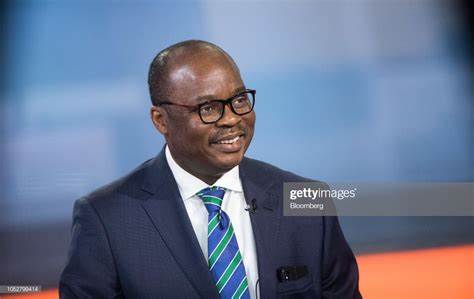
Many have commended the Central Bank, led by Dr. Ernest Addison, for its impressive policies that have ease the cost of credit in the country.
BoG policies key in stabilising prices and lowering interest rates
Senior Partner at accounting and auditing firm, Anthony Sarpong, said policy interventions by the Bank of Ghana including the Monetary Policy have been key in stabilising prices and keeping interest rates relatively low despite the impact of covid -19 on the economy.
According to him, economic growth generally after a pandemic slows down, but the policy interventions by the Central Bank in stimulating demand and supply in the economy has played a key role in supporting growth.
He told Joy Business that the Central Bank has done well in supporting the economy in this time of difficulty
“If I take it from the monetary point of view from the Bank of Ghana, you will notice that they [BoG] have fairly manage the exchange rate well. For a long time, the Ghana cedi has stabilised and even in its [BoG] last report appreciated against the dollar and of course a little marginally against the British Pound”, he mentioned.
Fiscal economy a concern
However, going forward, the concern will be about the fiscal management of the economy that is the ballooning debt and high fiscal deficit which is very crucial because of its rippling effect on the monetary economy.
There are concerns that banks may take a hit from the country’s sovereign debt as outlook deteriorates.
Latest Stories
-
NPP had more permanent fuel relief measures than current GH¢2 diesel cut – Amin Adam
19 minutes -
Photos from the 3rd Republic Bank-JoyNews Habitat Fair Clinic
22 minutes -
Ethiopia’s army promises restraint amid fears of new civil war
31 minutes -
Amin Adam calls for review of fuel taxes as diesel prices remain above GH¢18
1 hour -
World Vision Ghana, Ahafo districts sign MoU for universal WASH coverage
2 hours -
When the gold engine stutters: What Ghana’s Cedi and reserves are telling us about the new economic architecture
2 hours -
Two reportedly die after being trapped in mining pit at Juaboso
2 hours -
Petrosol cleans up Wa Municipal Hospital, to donate medical equipment
2 hours -
‘If NPP was ‘insensitive’ over fuel prices, NDC must accept same description now’ — Amin Adam
2 hours -
KiDi brings the hits to London in sold-out UK headline concert
2 hours -
The last goodbye of Ghanaian shot dead in the US
3 hours -
MCC opens door to Ghana again as MiDA revives development partnership
3 hours -
CSIR moves to turn scientific research into jobs, national growth
3 hours -
More patrons troop in as 3rd Republic Bank-JoyNews Habitat Fair clinic enters final day stretch
3 hours -
German, Russian foreign ministers hold rare talks amid rising tensions
3 hours