

Audio By Carbonatix
After an eight-month delay, the biggest festival of African cinema is back.
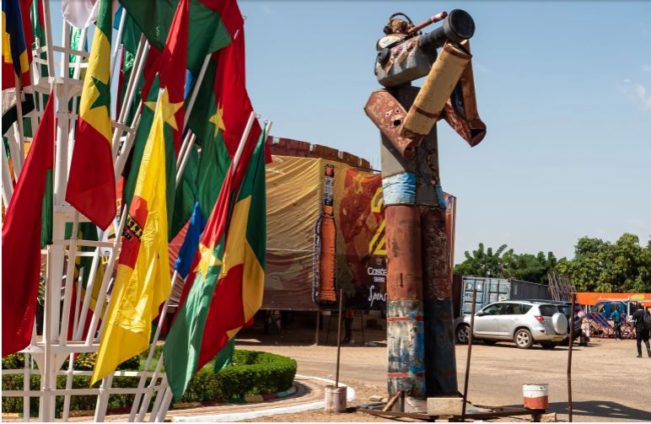
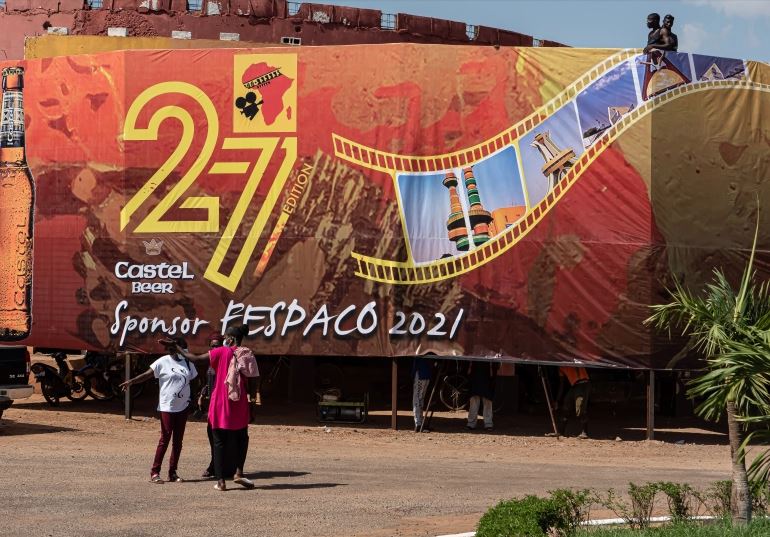
The 27th edition of the Pan-African Film and Television Festival of Ouagadougou (FESPACO) officially opens on Saturday in Burkina Faso’s capital and will run until October 23. Held every two years, the festival started in 1969 and represents till this day a rare opportunity for African storytellers to showcase their creations on a global stage.
Originally scheduled for February 27 – March 6, the popular event was postponed due to the COVID-19 pandemic, with Burkina Faso also gripped by a six-year war with armed groups linked to ISIL (ISIS) and al-Qaeda and local fighters.
Alex Moussa Sawadogo, the director of FESPACO, says it is a testament to the festival’s strength that it has been able to go ahead this year – despite all the challenges.
“Many festivals on the continent and throughout the world have been cancelled, but we, as a place of pilgrimage for professional cinema … took on the challenge,” he said.
“We’ve been able to give the creators, professionals and film enthusiasts the opportunity to come together to celebrate before the end of the year,” added Sawadogo, conceding, however, that taking care of sanitation has been a sap on their budget.
The official selection will see 17 feature-length films compete for the festival’s top prize, the Golden Stallion of Yennenga.
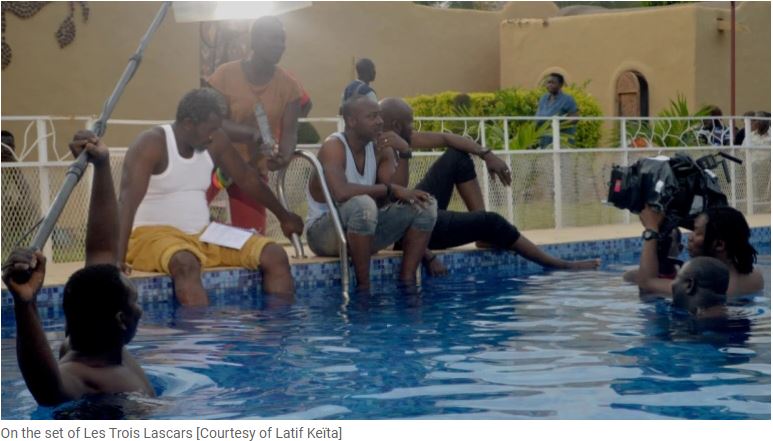
Among is them is Boubacar Diallo’s The Three Lascars, a comedy that follows three male characters on a secret weekend excursion with their mistresses – or tchizas, as they are known in Burkina Faso – just outside Ouagadougou.
Meanwhile, they have told their wives they are attending a seminar in neighbouring Ivory Coast. When the plane they are supposed to have been on crashes, they are left in a conundrum, wondering how they will extricate themselves from the situation.
Diallo explains the inspiration for the film came after he heard about a real air crash in the news.
“It’s a tragic event which gave birth to a comedy, an African parody of married life and the theme of tchiza,” the Burkinabe director said.
Diallo said FESPACO “is a showcase for African cinema. For me, it is a springboard for my films in terms of notoriety.”
The festival celebrates documentaries, too.
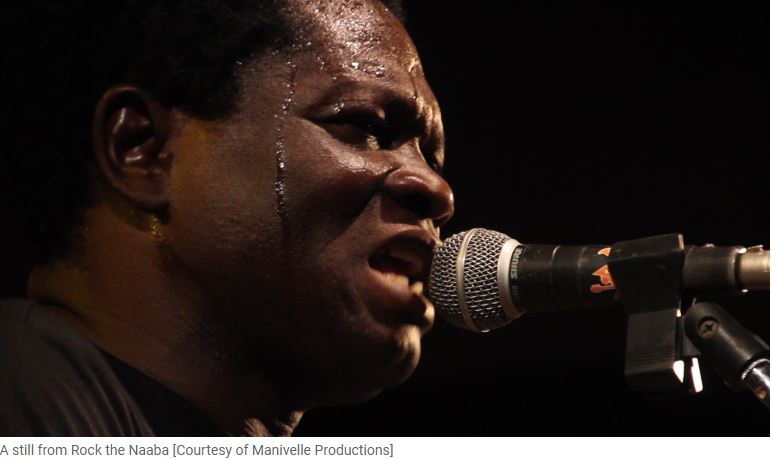
Parate Yameogo and Jean-Claude Frisque have co-directed Jacob Salem – Rock the Naaba, a short documentary that follows the story of Jacob Salem, a page to the king (naaba) of the Mossi, the politically dominant ethnic group in Burkina Faso.
Salem played the lute-like West African instrument, the kora, for the king, but fell in love with rock music and was kicked out of the court as a result.
A meeting with a Swiss musician named André Courbat took Salem to the international stage and also helped him to fall back into favour with the naaba.
“It was the marriage between the two cultures, Burkinabe and Swiss, that interested me. And also the added value of Burkinabe culture in the music created by Jacob,” Yameogo told Al Jazeera.
His co-director, Frisque, pointed out that the celebrated film festival is an essential part of the business side of the African film industry, as well.
“FESPACO is a showcase and a barometer of African cinema. It’s also an opportunity for social interaction and professional meetings. Despite the difficult context, it is also a great opportunity for Burkina Faso to promote the quality of its [film] production,” he said, referring to the pandemic and insecurity.
For the first time this year, FESPACO will also play host to The African International Film & TV Market (MICA), which has been in existence for about 20 years. MICA is an important market for international distributors to purchase African films to be shown outside the continent.
Elise Foniyama Ilboudo Thiombiano, the minister of culture, arts and tourism for Burkina Faso, said keeping the film festival going in the face of adversity is essential for the country and the African continent as a whole.
“FESPACO is very important for Burkina because it has been 50 years since the Burkinabe thought of it and created it, through sweat and blood, to maintain it for 50 years,” she said.
“If you are given a torch, you must make sure that this torch can light up and survive beyond you.”
Latest Stories
-
Bechem meat processing factory 50% complete, set for March 2027 completion – Kwakye Ofosu
4 minutes -
Titus Glover criticises Mahama’s appointment of Afi Agbenyo as EC Deputy Chairperson
10 minutes -
GoldBod initiative has created over 1,300 public and private sector jobs – Sammy Gyamfi
12 minutes -
Financial wellness key to retaining Ghana’s skilled workforce – Merban Capital CEO, Benjamin Ackah-Nyamike
15 minutes -
Sidney Nii Oko Bampoe & Isaac Akuetteh Addo
22 minutes -
Haruna Iddrisu calls for ‘Big Push’ investment in health, education, sports and agriculture
22 minutes -
Ghanaian youngster Prince Amoako Jnr reaches new milestone with FC Nordsjælland
25 minutes -
Ho Teaching Hospital to get cardiology centre under Ghana Medical Trust Fund
27 minutes -
PAC pushes for effective use of GH¢25m by Tree Crops Development Authority
29 minutes -
UK MEET Fellowship challenges journalists to look beyond AI hype
31 minutes -
Kurt Okraku’s regime has ‘failed to perform’ – Kudjoe Fianoo demands resignation of GFA Executive Council
31 minutes -
Afenyo-Markin’s influence is limited by minority numbers in Parliament – Haruna Iddrisu
34 minutes -
Police administration is doing a yeoman’s job – President Mahama
37 minutes -
GoldBod tells PAC Bank of Ghana authorised its foreign exchange transactions
37 minutes -
GCB customers call for more frequent engagement with bank leadership
42 minutes