

Audio By Carbonatix
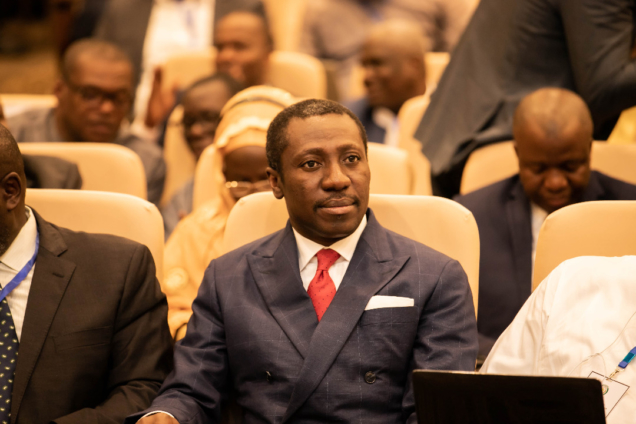
The Deputy Majority Leader, Alexander Afenyo-Markin, says while free movement within the ECOWAS sub-region is being embraced, this must be done within a framework that ensures the safety of member states’ borders and their stability.
According to him, with conflicts and jihadist insurrections taking place across the sub-region, member states have increasingly become wary of people that troop into their country, Ghana not being an exception.
This he says have led to the extra checks and scrutiny that occur at various borders across the sub-region.
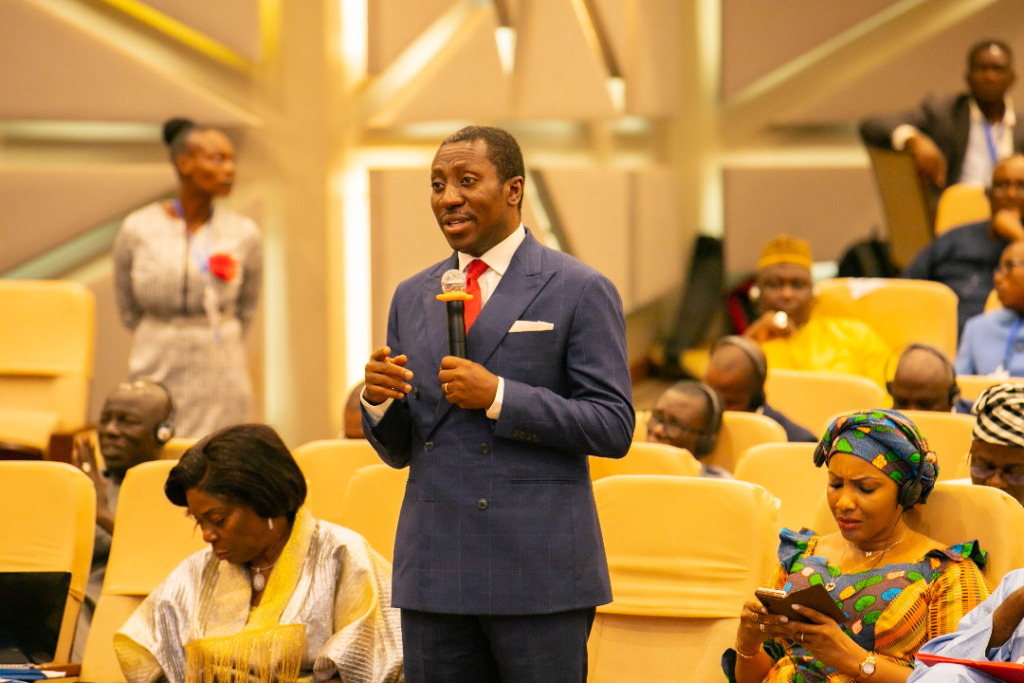
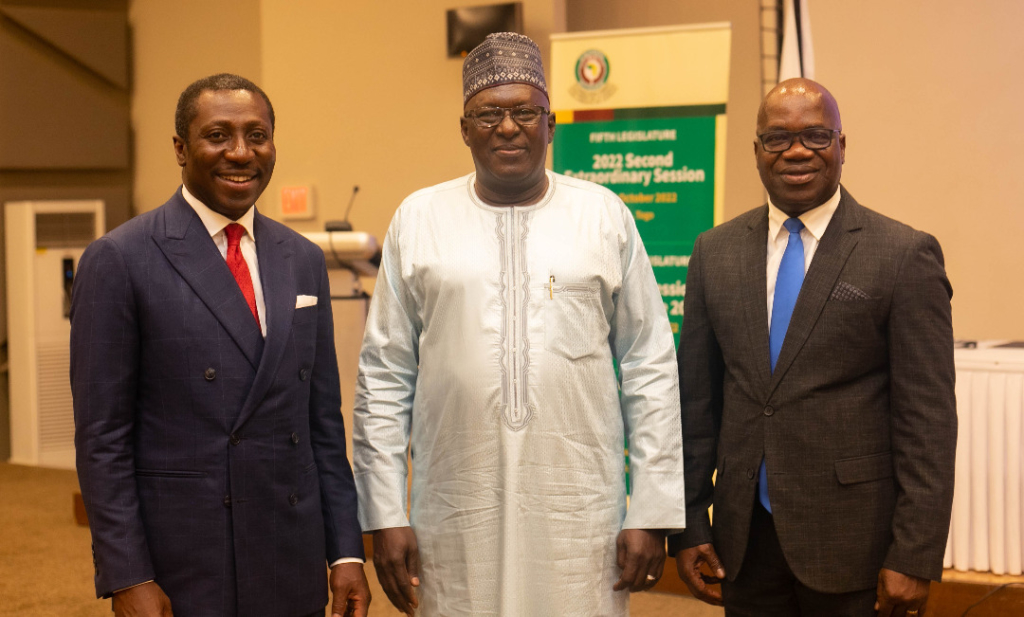
Speaking at the 2022 extraordinary session of the ECOWAS Parliament, Afenyo-Markin noted that while free movement within the sub-region is guaranteed, Parliamentarians should work to educate their constituents about the limitations and protocols that surround such free movement.
“Free movement is something we should all embrace after all, one of the bona fides of getting ECOWAS in place was to create that atmosphere where as a sub-region we’ll not be limited by borders. But also, member countries have their challenges.
“The challenge of security, the challenge of political instability, so you’d realise that member states are also finding ways of controlling the free movement in a manner that they can manage so that they know who is coming in, what purpose, why and all that,” he said.
He added, “Member states or citizens of the sub-region are supposed to meet certain conditions if they’re trading in a member state. All these are very essential. To me as parliamentarians we should continue to create the awareness, let our citizens know the community protocols if they want to move from their home country to another we should be able to interact more and explain to our people but at the same time, we should also let our citizens appreciate the security challenges.”
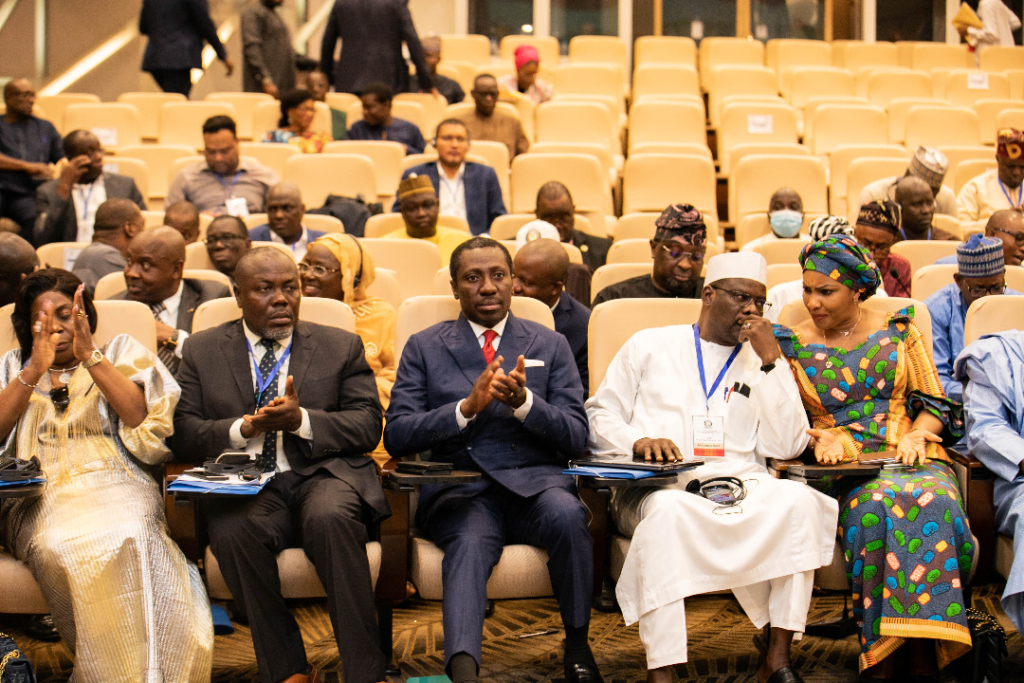
Expounding on Ghana’s concern with immigration at its northern borders, he noted that the instability of the Sahel countries poses a grave concern to Ghanaian authorities as their persistence could lead to a spill over into the country; destabilising Ghana as well.
“My country Ghana for instance is very much concerned about its northern border with Burkina Faso. The instability in Mali, Niger and Burkina Faso is of great concern to Ghana and if we don’t control the influx, it would undermine our own security.
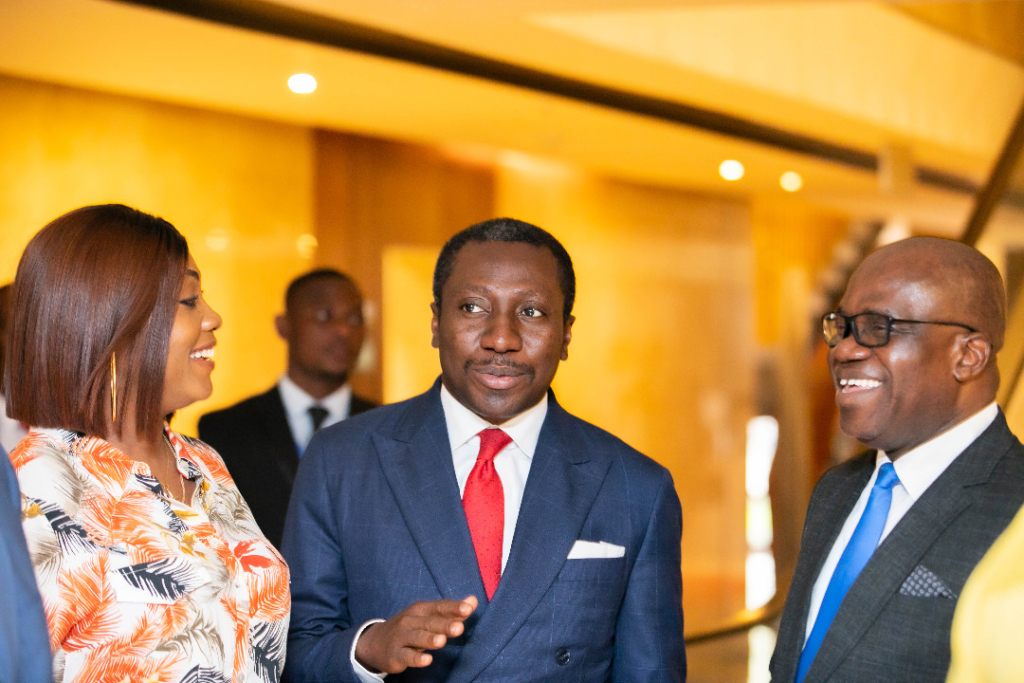
“So in this case, it cannot be that in controlling, or regulating, or seeing to it that you put in measures to prevent an influx you’re preaching community protocol of free movement. There’s an essential need to ensure that there is security in your own country so that people will not come in under the pretext of ECOWAS citizens to destabilise your country,” he said.
Latest Stories
-
Hawa Koomson pledges experienced and mature leadership of NPP women’s wing
47 minutes -
Young woman found dead at Kasoa Peace Town
1 hour -
Playback: The Law examined lawful arrest in Ghana
2 hours -
Mahama urges African governments to treat healthcare as an investment, not budget cost
2 hours -
Bawumia congratulates John Boadu and new NPP executives, pledges support ahead of 2028
2 hours -
‘No talent should be left out’ – Bawumia pledges inclusive NPP campaign for 2028
2 hours -
Prof. Mike Oquaye recounts how he blocked the Special Prosecutor’s attempt to arrest Bawku Central MP
3 hours -
Make health sovereignty a priority for Africa – Mahama
3 hours -
Dorimon Naa, Wa West DCE lead massive clean-up exercise; threaten sanctions against recalcitrant residents
3 hours -
Photos from Adom FM Y2K Jam
3 hours -
Praye Tiatia steals the show at Adom FM Y2K Jam [Watch]
3 hours -
Boakye Agyarko congratulates John Boadu, pledges support for NPP leadership
4 hours -
Antwi HiMight thrills fans with Antwi ne Antwi hits at Adom FM’s Y2K Jam [Video]
4 hours -
Amb. Edward Boateng congratulates Boadu, Kodua on election wins
4 hours -
John Boadu pledges to rebuild NPP from grassroots and restore ‘winning machinery’
4 hours