

Audio By Carbonatix
In recent years, Ghana has experienced a series of insecurity issues mostly during and after general elections. These events come in many forms and often escalate into protests, vandalism and even violence and this raises questions about the underlying causes and the long-term impact on the nation’s stability.
Notable incidents such as the protests in Tamale South after the exclusion of Haruna Iddrisu from President Mahama’s initial ministerial appointments in 2013 and the recent demonstrations in Ho Central and Effutu constituencies over neglect in ministerial appointments are a testament to the recurrent nature of this phenomenon.
Another catastrophic episode unfolded last Sunday when some Ghanaians were shot and killed at the AngloGold Ashanti concession, reportedly due to unfulfilled election promises. This article explores the roots of these insecurity issues and attributes them to poor parenting, joblessness and political dishonesty whilst proposing actionable solutions in tackling them.
The root causes of insecurity
Poor parenting
Parenting plays a fundamental role in modelling and remodelling an individual’s values, behaviour and approach to conflict resolution. Regrettably, the decline in responsible parenting has left many young Ghanaians vulnerable to manipulation and lawlessness. Children raised in homes where discipline, respect for authority and critical thinking are not emphasised are more likely to resort to violence when faced with dissatisfaction.
The lack of proper guidance and positive role models in many households has created a generation of youth who are easily swayed by political propaganda and promises and this often leads to their involvement in destructive activities.
Joblessness
Unemployment, predominantly among the youth is a major driver of insecurity in Ghana. Undoubtedly, Ghana’s unemployment rate is worryingly high; many young people struggle to find sustainable livelihoods.
This situation makes the youth susceptible to exploitation by politicians who offer temporary incentives such as cash or favours in exchange for their loyalty or participation in protests and violent acts. The frustration born out of joblessness also fosters a sense of hopelessness and makes it easier for individuals to channel their anger into destructive activities.
Political Lies and Deception
The prevalence of dishonesty during political or electioneering campaigns enormously contributes to insecurity. Political campaigns in Ghana are often characterized by gargantuan promises made principally to win votes, with little intention or effort to fulfil them when elected. This practice not only undermines trust in leadership but also fuels public frustration and disillusionment.
When citizens feel betrayed by unfulfilled promises, it can lead to social discontent and a lack of faith in governance. This habit on the part of politicians is recurrent they need to prioritize integrity and focus on realistic, achievable goals during campaigns to build trust and promote stability. Upholding accountability in leadership is essential in nation-building.
Resolving Ghana’s insecurity challenges
Promoting responsible parenting
Addressing poor parenting requires a collective effort from families, schools, religious organizations and the government. Parents must be educated on the importance of instilling discipline, critical thinking and a sense of civic responsibility in their children.
Schools should intensify the teaching of courses or topics on conflict resolution and ethics, whilst religious and community leaders could also up their game in guiding families to prioritise moral upbringing. National campaigns emphasizing the value of responsible parenting could help reform societal attitudes over time.
Tackling Joblessness
Creating sustainable job opportunities for the youth is essential to reducing insecurity. The government should prioritize initiatives that promote entrepreneurship, vocational training, and skills development. President Mahama should reform programmes like Ghana’s One District, One Factory initiative and must also introduce other job creation initiatives to address the high unemployment rate engulfing the nation.
Furthermore, partnerships between the public and private sectors can stimulate investment and create jobs. Encouraging innovation and providing support for small and medium enterprises (SMEs) can also empower the youth to build their futures and resist manipulation by unscrupulous politicians.
Ensuring Political Accountability
To curb the culture of lies and deception, there must be stronger mechanisms to hold politicians accountable for their promises. Electoral bodies, civil society organizations and the media can work together to fact-check campaign promises and track their implementation.
Politicians should also face legal and electoral consequences for deliberately misleading the public. Transparency and consistent communication between leaders and their constituents can rebuild trust and reduce the likelihood of unrest that stems from unfulfilled promises.
The Role of Law Enforcement
Law enforcement agencies must be equipped and trained to handle protests and unrest with professionalism and restraint. Whilst maintaining order is crucial, excessive use of force such as the recent killings at AngloGold Ashanti only aggravates tensions. Instead, community policing and dialogue with local leaders can help prevent conflicts from escalating into violence. Security personnel should also refine their training in identifying and addressing the root causes of unrest rather than focusing solely on punitive measures.
Conclusion
Ghana’s insecurity issues are deeply rooted in poor parenting, joblessness and political deception. Addressing these challenges requires an all-encompassing approach of societal reforms, economic empowerment and political accountability. By investing in the moral and economic well-being of its citizens, Ghana can build a resilient society capable of withstanding the pressures of political transitions to ensure lasting peace and stability. It is time for all stakeholders (parents, politicians, educators and law enforcement) to work together to break the cycle of insecurity and create a brighter future for the nation.
-
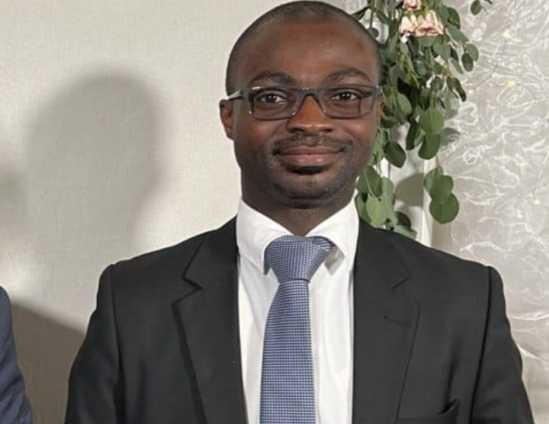
About the Author: Scott Edward Agyemang has expertise in politics, governance and small business development. He holds a bachelor’s degree in Publishing Studies from Kwame Nkrumah University of Science and Technology.
He also has a Master of Arts in Communication Studies from the University of Ghana and a Master of Business Administration with a specialty in small business development and promotion from Leipzig University, Germany.
Currently, he is pursuing a Doctorate in Business Administration at Leipzig University where he is focusing on the growth of small businesses. Scott is a leader himself having actively engaged in student politics and his leadership qualities are complemented by a keen interest in both Ghanaian and international politics and governance.
This demonstrates his passion for impactful change. His diverse academic background and professional interests make him an advocate for small business empowerment and sustainable development in Ghana in particular and the Global South in general.
Latest Stories
-
A source of excellence across generations – Vice President Opoku-Agyemang lauds Mfantsipim
30 minutes -
(Photos) Mfantsipim School launches historic 150th anniversary
54 minutes -
Knights and Ladies of Marshall group backs Catholic Bishops’ stance on anti-LGBTQ+
2 hours -
Bright Simons writes: All the Filla in the Ibrahim Mahama/E&P – Gold Fields Saga
2 hours -
Monetise Idiocy In Ghana
2 hours -
The Ghanaian prophet and the mysterious death of his scottish wife Charmain Speirs
3 hours -
Nearly 400 sentenced in Nigeria for links to militant Islamists
3 hours -
Ghana’s recovery supported by gold strength despite global oil price pressures – Standard Bank Research
4 hours -
Methodist Church hails Mfantsipim@150; calls for “fresh consecration” to excellence
4 hours -
‘Excellence is our inheritance’ – Nana Sam Brew-Butler hails Mfantsipim’s 150-year reign in leadership
4 hours -
Kwaku Azar writes: A-G vs OSP
4 hours -
Mfantsipim–Adisadel rivalry built excellence, not division – Sam Jonah
5 hours -
Vice President launches Mfantsipim’s 150 years of shaping Ghana’s greatest mind
5 hours -
I assure Otumfuo, Mahama will join him to commission KNUST Teaching Hospital by end of this year – Haruna Iddrisu
6 hours -
Barcelona dominate derby to extend La Liga lead
6 hours