

Audio By Carbonatix
Climate change is threatening the long-term survival of rural African communities, leaving them unable to grow essential crops and unable to access healthcare due to extreme heat or rainfall.
Researchers from the University of Southampton in the UK and the University for Development Studies in Ghana have found that communities report how this situation has significantly worsened in the last five years.
They are calling for urgent intervention to secure their health and future. The University of Southampton, Ghana Ministry of Health and PACKS Africa are co-hosting a summit in Accra, Ghana, on Tuesday 12 March to discuss the next steps.
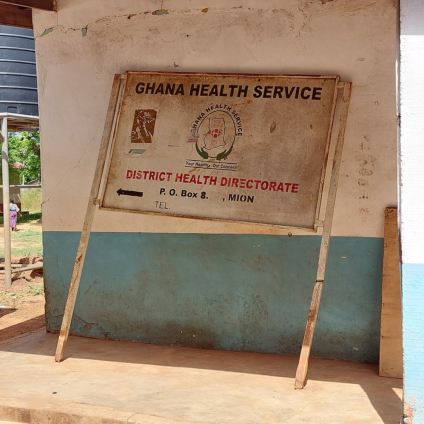
The research team surveyed hundreds of people in the rural Mion district, in northern Ghana – with every person reporting some level of food insecurity, a lack of access to, or availability of, food. This is often caused by loss of crops or livestock, soil infertility, unpredictable seasonal changes, and pest or disease outbreaks.
The researchers defined food insecurity for over a quarter of respondents as ‘severe’.
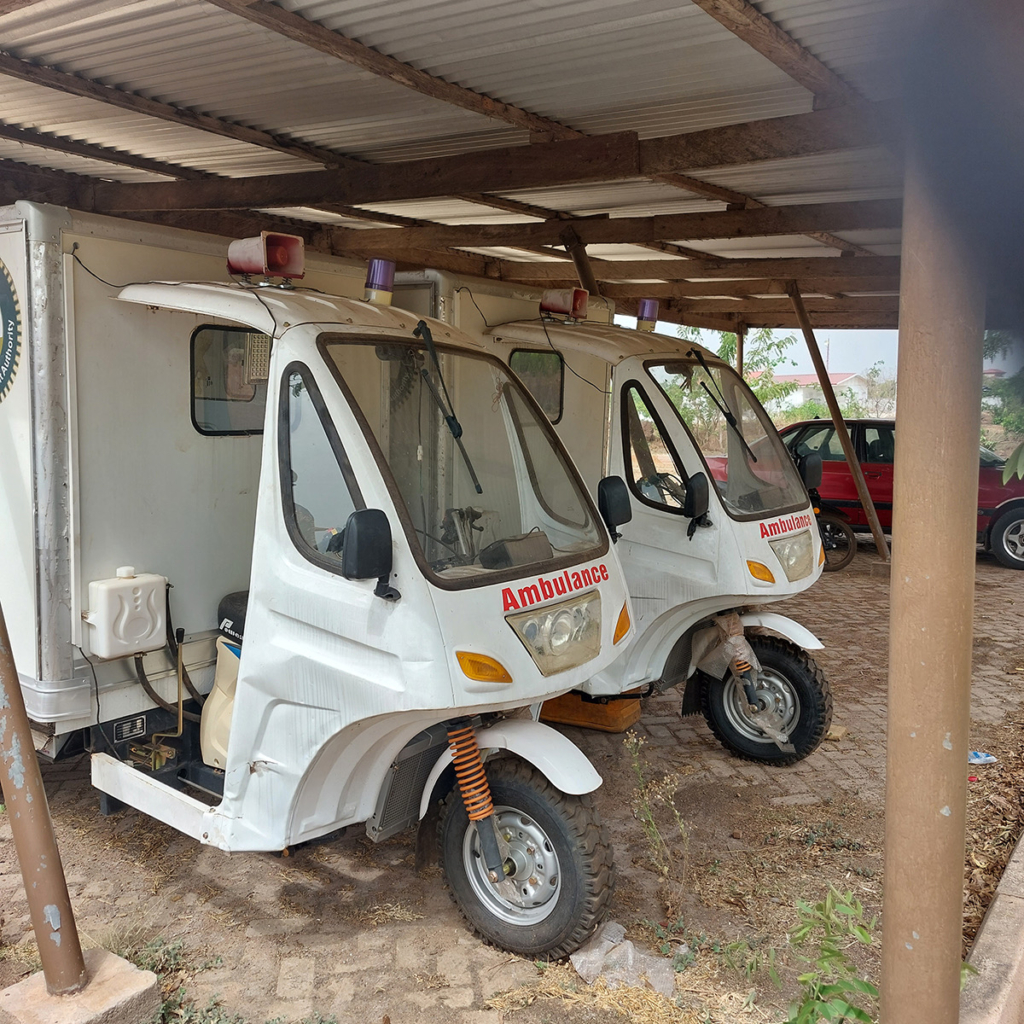
Most people had also, on at least one occasion in the last year, been unable to reach their local health facility due to extreme weather conditions.
Jess Boxall, a Research Fellow at the University of Southampton, led the study. She said: “The results of our research are concerning, with entire communities reporting fears for their future food security.
"Our research was conducted in rural northern Ghana, but the findings are likely applicable to other Ghanaian communities – and across the African continent.
"Urgent short-term and long-term interventions are needed to give these communities a fighting chance.”
The research group has produced recommendations to policymakers, including:
• food aid programmes providing varied food (not just cereal products, as are currently provided) and storage solutions to protect food aid from flooding
• improving the transport infrastructure
• government intervention to diversify crops
• ensure ongoing health system revisions in Ghana consider access to health facilities
• education on climate change and climate-smart agriculture practices.
The threat to the availability of varied food leads to malnutrition, leading to additional problems.
Dr Michael Head, Senior Research Fellow in Global Health at the University of Southampton, explained: “Malnutrition increases the risk of infection, and with mosquito-related diseases such as malaria and yellow fever both present in Ghana and likely to get worse with climate change, an adequate diet is vital to support the immune system and improve immune response to vaccination.”
Dr Victor Mogre, Associate Professor at the University for Development Studies in Ghana and Visiting Academic at the University of Southampton, said: “In northern Ghana, where food insecurity is already severe, climate change worsens the situation by increasing the likelihood that vulnerable populations, including children, pregnant women, and lactating mothers, will become malnourished.
"This can result in a cycle of malnutrition that spans generations, diminishes productivity, and yields unfavourable economic consequences. Integral to this strategy should be the promotion of climate-smart agriculture awareness among subsistence farmers and the dissemination of nutrition education to the general public regarding the importance of consuming adequate, diversified diets, particularly among vulnerable groups.”
Climate change summit
The researchers are holding a live-streamed summit – Addressing Climate Change and Health – in Accra, Ghana, on Tuesday 12 March 2024.
The event will bring together ministers, charities, academics, industry, health service providers and NGOs to raise awareness of the urgency of the climate change impact on West Africa.
Keynote speakers will include Dr Wisdom Atiwoto, from the Ghana Ministry of Health, and the summit will be chaired by Professor Lydia Aziato, Vice Chancellor of Ghana’s University for Health and Allied Sciences.
Latest Stories
-
Photos: Speaker Bagbin Commissions MPs constituency office under parliamentary decentralisation programme
11 minutes -
Black Stars technical advisor Winfried Schäfer sacked as GFA shakes up backroom staff
16 minutes -
Wenchi water project almost complete, critical to gov’t agenda – GWL MD
32 minutes -
Anti-LGBTQ+ bill not part of government’s legislative agenda – Inusah Fuseini
34 minutes -
Anti-LGBTQ Bill: Forget the rumour mongers, I’m a man of action, and will pass the bill – Speaker
1 hour -
Women and children among those killed in Sudanese army shelling of wedding celebration
1 hour -
President Mahama is not sincere with Ghanaians on LGBTQ bill matter – Hassan Tampuli
2 hours -
Gov’t to establish Prison Industrial Hub to equip inmates with income-generating skills – Prison Service boss
2 hours -
Alhassan Tampuli donates cement, roofing sheets to support storm victims in Gushegu
2 hours -
Alhassan Tampuli appeals for urgent support for storm victims in Gushegu
2 hours -
The hypocrisy must stop; pass Anti-LGBTQ+ Bill now – Alhassan Tampuli to Mahama
2 hours -
Imprisonment should be rehabilitative, not punitive – Ghana Prisons boss at UNGA
2 hours -
Ga Adangbe traditional priests petition Mahama over McDan aviation licence revocation
3 hours -
Anti-LGBTQ Bill: NDC’s arrogance is worrying – Hassan Tampuli
3 hours -
Let’s give OSP time to mature, not to scrap it – Hassan Tampuli
3 hours