


Audio By Carbonatix
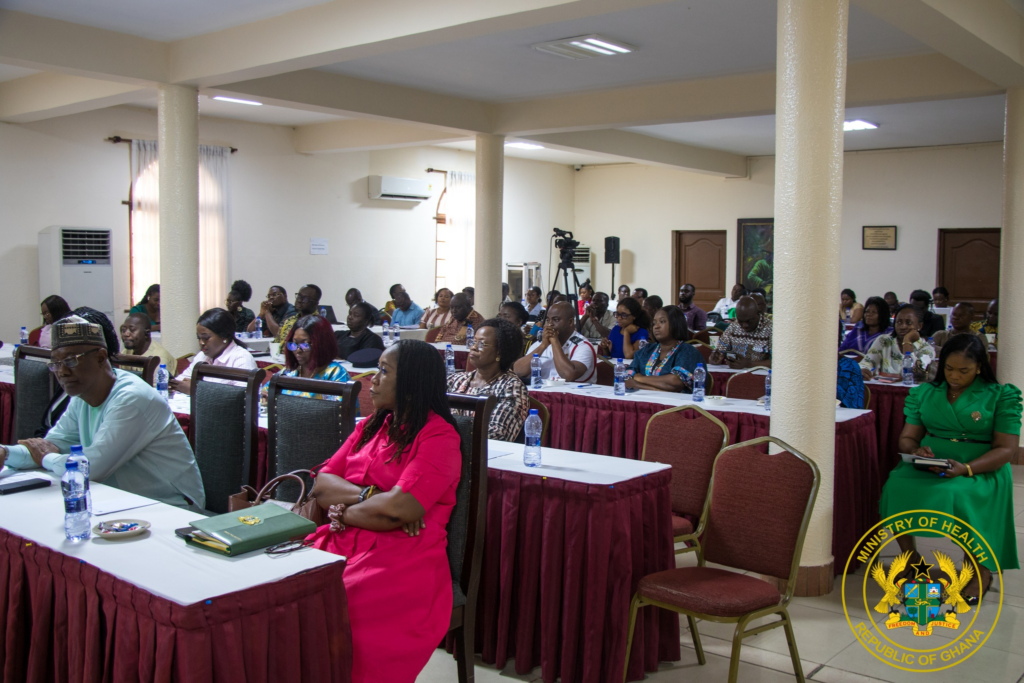
Ghana has launched a new National Workplace HIV and Wellness Policy aimed at promoting healthier and stigma-free working environments across the country.
The Deputy Minister for Health, Dr Grace Ayensu-Danquah, launched the policy on behalf of the Minister for Health, Kwabena Mintah Akandoh.
She called on employers and institutions to take active steps to improve workplace health and support people living with HIV.
She urged organisations to provide accurate health information, protect confidentiality, encourage voluntary testing, and support treatment for affected persons.

According to her, the policy forms part of the government’s broader plan to improve public health, reduce preventable diseases, protect the workforce, and advance universal health coverage.
Prof. Ayensu-Danquah noted that HIV remains a major public health and development challenge, especially in sub-Saharan Africa.
She said the disease continues to affect households, reduce productivity, and slow national development.
She said that workplaces offer an important platform for prevention and support. “The workplace is a key platform for prevention, education, counselling, testing, stigma reduction, and treatment support,” she said.
The policy adopts a broader approach to health by combining HIV interventions with general wellness measures. These include routine health screening, mental health awareness, proper nutrition, and physical activity.
She explained that this approach supports the Ministry’s focus on prevention and early intervention, as well as the government’s Free Primary Healthcare initiative.
The Director-General of the Ghana AIDS Commission, Kharmecelle Prosper Akanbong, said that about 334,723 people were living with HIV in Ghana as of the end of 2024.
He said that treatment coverage currently stands at 68 per cent, which falls short of the 95 per cent target.
“This leaves a significant gap in access to care and support,” he said.
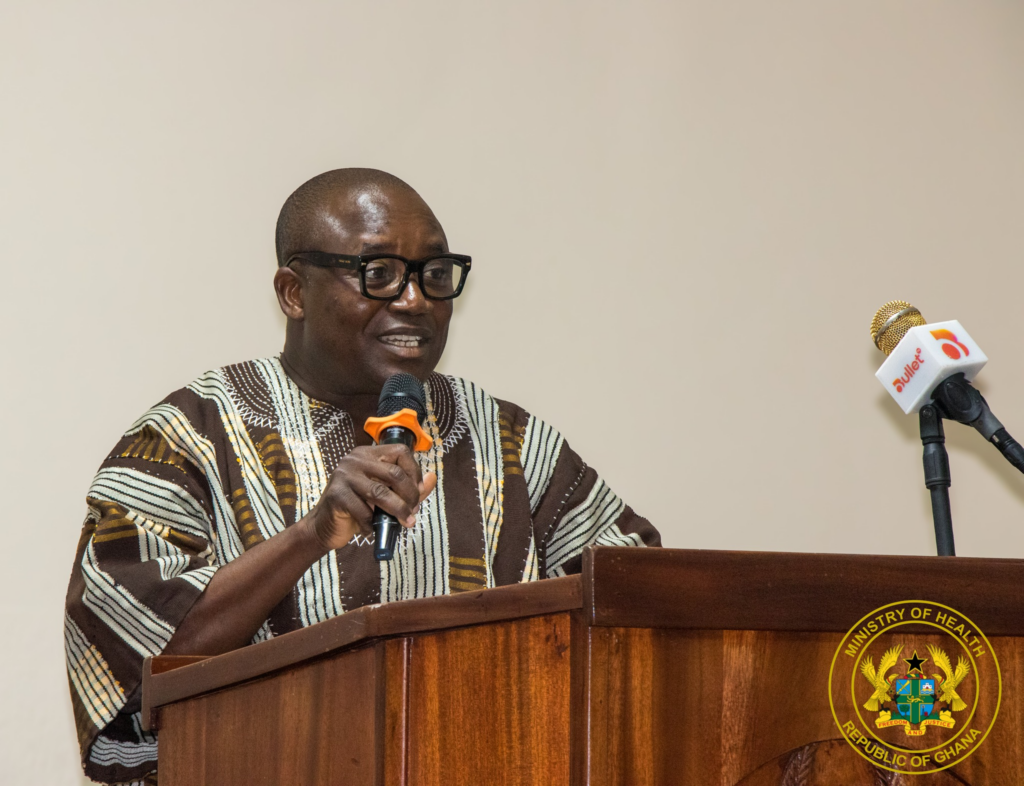
Dr Akanbong added that the workplace remains a critical entry point for HIV response efforts, given the amount of time people spend at work. He called for the effective implementation of the policy across both public and private sectors.
He said this would help ensure early identification of cases, proper support, and better access to treatment, in line with leaving no one behind.
Latest Stories
-
We are with all flood victims – Hohoe MP
5 minutes -
Asharami Ghana commends NPA CEO Edudzi Tameklo for support towards LPG vessel arrival
11 minutes -
Finance Minister engages AGI, leaders ahead of 2027 Budget
17 minutes -
Enforce surcharges, modernise audits to curb GH¢100bn losses – Audit Service urged
25 minutes -
Six persons denied bail in 3.9-tonne alleged cocaine case
33 minutes -
Court jails man 25 months for setting three vehicles ablaze
42 minutes -
Miner jailed 24 months for stealing GH¢4,300
51 minutes -
Father jailed for defiling 13-year-old daughter in Tarkwa
1 hour -
Prosperity Architecture: Drawing II – Organising institutions for shared prosperity
1 hour -
First female prime minister named in Morocco after winning elections
1 hour -
Burkina Faso’s junta leader opens major gold refinery to keep mining profits at home
1 hour -
Nigeria’s Ben Dancer completes 168-hour dance marathon, awaits Guinness verdict
2 hours -
I’m now a minister of God – Actress Jumoke Odetola announces
2 hours -
Banks accounted for 86% total enquiries for credit in 2025
2 hours -
‘I paused for my mom’ – Kizz Daniel opens up on music break
2 hours