

Audio By Carbonatix
Stakeholders in the agriculture sector have intensified efforts to prevent the introduction of Banana Bunchy Top Disease (BBTD), a highly destructive plant disease that threatens banana and plantain production into Ghana.
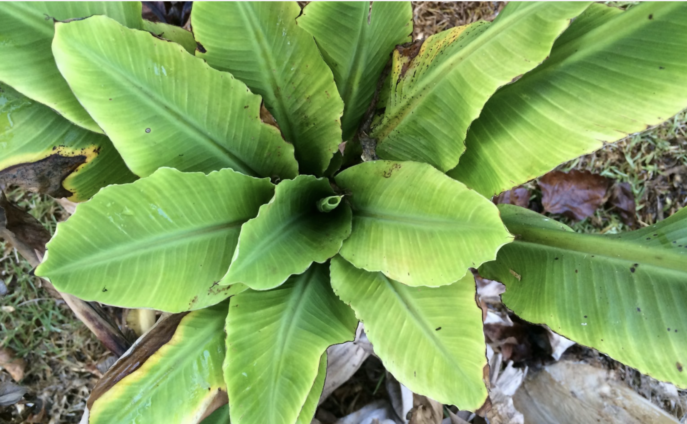
The disease, which affects banana and plantain, causes stunted growth, yellowing leaves, poor fruiting and, in severe cases, plant death.
Dr Lakpo Koku Agboyi, Senior Scientist in Invasive Species Management at CABI, said, although BBTD had not been detected in Ghana, the country remained at high risk due to its presence in neighbouring countries such as Benin and Nigeria.
He told the Ghana News Agency at a stakeholder workshop in Accra that banana and plantain were staple foods, and any outbreak would have serious implications for food security and farmer livelihoods.
CABI is an international, intergovernmental, not-for-profit organisation that applies scientific expertise to address challenges in agriculture and the environment.
Dr Agboyi said the disease was spread by the banana aphid and through infected planting materials.
“Since most banana and plantain farmers source planting materials from their neighbours, there is a high risk of farmer-aided spread of the BBTD when it is introduced into the country,” he said.
A study by CABI found that many farmers had limited knowledge of the disease and its vector, and recommended sustained public education to support early detection, reporting and rapid response.
Over the past five years, CABI has supported surveillance and laboratory testing in collaboration with the Plant Protection and Regulatory Services Directorate and the Biotechnology and Nuclear Agriculture Research Institute.
Samples collected nationwide have so far confirmed the absence of the disease.
Professor Ken Okwae Fening, Associate Professor of Agricultural Entomology at the University of Ghana, said prevention remained the most cost-effective approach, as control after introduction would be difficult and expensive.
He advised farmers to avoid moving planting materials from unknown sources and to report unusual symptoms to agricultural extension officers.
Participants called for strengthened collaboration among government agencies, researchers, development partners and farming communities to enhance prevention efforts.
They emphasised the need for effective border inspections, increased awareness, early reporting and coordinated action to safeguard banana and plantain production.
Latest Stories
-
President Mahama ends Resetting Ghana tour of Ahafo Region
50 minutes -
African negotiators seek delivery of climate commitments at COP31
51 minutes -
BoG develops AI rules for financial sector
53 minutes -
‘Big Push’: Government assures contractors of prompt payments
57 minutes -
Court fines miner for breaking into gold buying shop
1 hour -
Tarkwa court jails labourer for three years over GH¢123,000 theft
2 hours -
GAEC must retain nuclear scientists for Ghana’s nuclear ambitions – Minister
3 hours -
Man reportedly mistaken for game and shot by hunter dead in forest
3 hours -
19-year-old mason jailed 15 years for defiling seven-year-old pupil
3 hours -
Ghana’s banking sector assets rise 20.47% to GH¢500.2bn – BoG Governor
3 hours -
22 injured as Sprinter bus overturns at Sege after tyre burst
3 hours -
UN housing expert urges Ghana to strengthen Rent Control Department amid housing affordability concerns
3 hours -
Delta-BCI partnership reaches 166,000 people with breast cancer education
3 hours -
Power restoration fault suspected in Kumasi Central Market fire
8 hours -
The 7-foot giant of Ngleshie Amanfro: Seven-foot Ghanaian Ephraim Saawa dreams of joining the national basketball team
9 hours