

Audio By Carbonatix
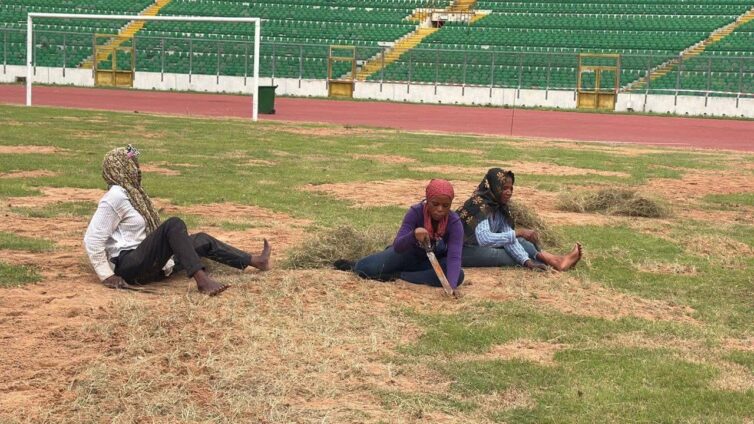
When the video of groundskeepers rehabilitating the Baba Yara Sports Stadium pitch went viral, many Ghanaians were quick to express disappointment. But the outrage was directed at the wrong people. The men and women working tirelessly to restore the pitch are not the problem.
They are doing their best with the resources available. The real crisis is Ghana's long-standing neglect of sports infrastructure.
National Sports Authority Director-General Yaw Ampofo Ankrah has rightly shifted the conversation to the issue that truly matters. Since Ghana qualified for its first FIFA World Cup in 2006, the country has benefited from prize money, sponsorships, broadcasting revenue, and increased investment in football.
Yet after nearly two decades, many of our major stadiums still struggle with poor pitches, outdated equipment, and irregular maintenance. The obvious question is: Where has the investment gone?
A football pitch is more than grass. It is a performance surface that requires modern machinery, irrigation systems, technical expertise, and continuous maintenance. FIFA (2022) recognises quality infrastructure as essential for player safety, performance, and hosting international competitions. The OECD (2020) also identifies infrastructure investment as a driver of economic growth, job creation, and national development.
Ghana cannot continue to repair stadiums only when an important match or tournament is approaching. We need a long-term national strategy that protects and maintains our sporting facilities throughout the year.
A dedicated Sports Infrastructure Fund supported by a percentage of international football revenue, government investment, corporate sponsorship, and public-private partnerships would provide a sustainable solution instead of another temporary fix.
The Baba Yara debate should be remembered not as a social media controversy, but as the moment Ghana confronted a truth it has ignored for too long. Blaming groundskeepers will not improve our stadiums. Investing in modern facilities will.
If we truly want Ghana to compete with the best in Africa and the world, our priorities must change. Great football is not built on talent alone. It is built on quality infrastructure, sound policy, and leaders with the vision to invest today for the success of tomorrow.
Latest Stories
-
Dangote defends $16bn Kenya refinery as residents raise compensation, environmental concerns
27 seconds -
Work begins on 160-bed Western North Regional Referral Hospital – Kwakye Ofosu
1 minute -
GPRTU says non-member commercial vehicles pose challenge to road safety enforcement
2 minutes -
Fuel transport licensing gaps could enable abuse and diversion – Transparency International Ghana
3 minutes -
Former Youth and Sports Minister questions Carlos Queiroz appointment process, alleges possible corruption
5 minutes -
NHIA targets 80% population coverage under 2026–2028 strategic plan
7 minutes -
MTTD must intensify enforcement against unregulated drivers – NRSA
7 minutes -
NRSA proposes separate registration and number plates for Okada riders
9 minutes -
National PTA backs striking teacher unions, urges Mahama to intervene
14 minutes -
Israel-bound flight diverted after fight between pilots
20 minutes -
EchoWave earns praise for sound quality at 10th Women in Worship
29 minutes -
Crackdown on South Africa’s unsafe streets ordered by president to keep women safe
41 minutes -
Banks are responding to improved monetary policy conditions – John Awuah
60 minutes -
Judges’ conference forces further adjournment of Salomey Baffoe case to Oct. 5
1 hour -
Chorkor community joins AC4NCA clean-up to tackle marine and coastal pollution
1 hour