

Audio By Carbonatix
The Ghana Statistical Service (GSS) has released the July 2025 edition of the Quarterly Labour Statistics, revealing a marginal decline in the national unemployment rate.
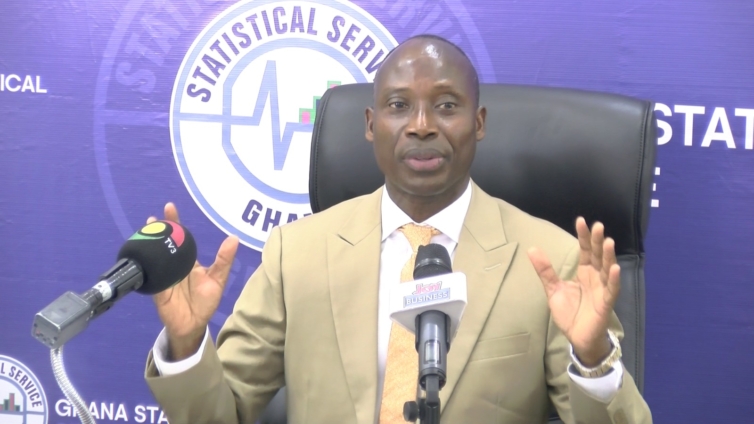
According to Government Statistician, Dr. Alhassan Iddrisu, data collected from over 9,000 households across the country showed that Ghana’s unemployment rate fell from 13.3% in the third quarter of 2024 to 13.1% in the fourth quarter of 2024.
"This modest decline we've seen signals progress but reveals persistent distress. In 2024, youth unemployment remains alarmingly high at 22.5% for ages 15 to 35 and 32% for ages 15 to 24. This evidence highlights the agency of expanded and more focused labor market practices and policies such as retraining and re-skilling programs to combat skills mismatch and boost employability," he stated.
Despite this improvement, he emphasized that youth unemployment remains a major concern. The figures show that in 2024, the average unemployment rate among persons aged 15 to 24 years stood at 32%, while those aged 15 to 35 years recorded 22.5%.
Dr. Iddrisu noted that the persistent youth joblessness signals an urgent need to expand employment opportunities. He highlighted initiatives such as the 24-hour economy policy as examples of measures that could help absorb the growing youthful labour force.
According to him, "this reflects persistent youth unemployment challenges and disengagement from both work and education, reinforcing the need to expand economic opportunities, employment opportunities and initiatives and promote economic expansion. We can do this through programs such as the 24-hour economy, which is currently under implementation, to create more flexible and accessible job opportunities."
The Ghana Statistical Service further provided recommendations for government to address labour underutilization and skills mismatch, stressing that aligning the skills of job seekers with the needs of industries will be critical in reversing unemployment trends.
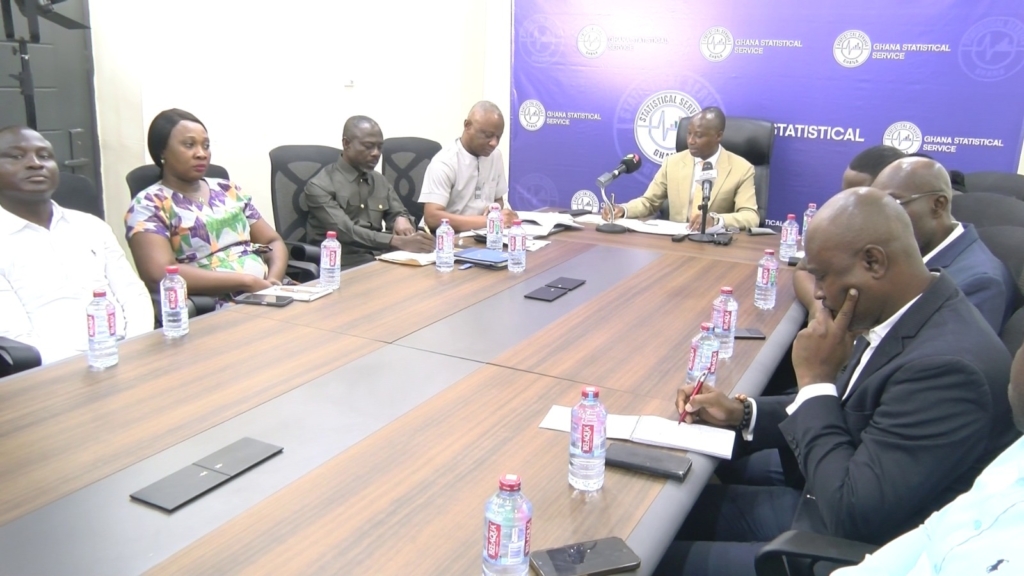
We are proposing that there's a scale-up of apprenticeships, graduate employment schemes and also job placement services. There would also be the need for government to reform and expand the TVET to match training with demand, especially in digital, industrial and green economy sectors. We recommend also that government should provide affordable credit to small businesses to boost job creation, especially for women and youth," he stated.
While Ghana’s unemployment rate shows a slight decline, the persistently high youth joblessness underscores the urgent need for targeted policies, skills development, and expanded economic opportunities to address the challenge sustainably.
Latest Stories
-
High Commission sends caution to Ghanaians in South Africa ahead of planned protests
1 minute -
Okai Mintah outlines vision for NDC Youth Wing as he engages MMDCEs
7 minutes -
Mahama Ayariga leads renewed push for stronger local governance through partnerships
11 minutes -
NDC youth organiser aspirant Okai Mintah consults MMDCEs ahead of elections
12 minutes -
PHOTOS: Ayikuma Methodist Basic School wins National Juniors Challenge
14 minutes -
Silence has entered our homes : Salomey Awiti Bafoh and the chilling effect of free expression in Ghana
15 minutes -
UG Pro-VC calls for stronger research funding to curb brain drain
17 minutes -
Woman in critical condition after shooting at funeral grounds in Yeji
19 minutes -
Breast Cancer awareness must lead to action – Deputy Health Minister
21 minutes -
UK identified as leading destination for Ghana’s illicit cannabis exports – Report
23 minutes -
Drug money allegedly finances Ghana’s political parties and real estate – Global Organised Crime Index
28 minutes -
NSA outlines seven steps for successful posting and validation of national service personnel
29 minutes -
GPRTU taskforce clamps down on unapproved fares at Kasoa
30 minutes -
Prime Insight: Making room for meaningful national conversations on Joy Prime
41 minutes -
FABAG commends Ato Forson’s over removal of 20% excise duty on locally manufactured fruit juices
48 minutes