

Audio By Carbonatix
Over 120 toilet facilities are expected to be handed over to public basic schools in the Greater Kumasi Metropolitan Area in November this year.
The initiative under the Sanitation and Water Project is to improve access to toilet facilities at the over 1,000 public primary schools in the region.
Accessibility to convenient toilet facilities still remains elusive to many communities across the country, especially in schools.

A 2017 report by the Ghana Education Service showed more than 7,400 public basic schools out of the over 20,000 lacked toilet facilities.
Out of the number, nearly 1,500 schools in the Ashanti region are without toilet facilities.
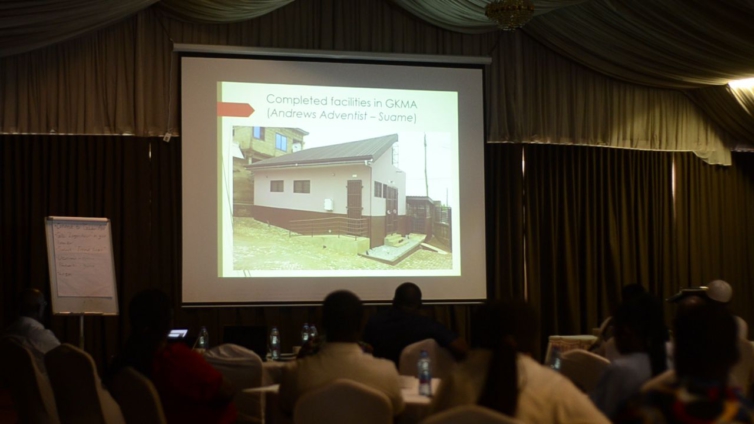
Under the Greater Kumasi Metropolitan Area – Sanitation and Water project, over 120 toilet facilities have been built for public basic schools in the metropolis awaiting commissioning in November.
The Project Coordinator of GAMA-GKMA Sanitation and Water Project, Ing. George Asiedu emphasised the need for accessing an improved toilet facility.

“If we are to achieve SDG 6, we must ensure that everyone has access to improved toilet facilities. We are working to provide household facilities to everyone,” he said.
Mr. Asiedu says the new facilities have user-friendly features for the physically challenged among other consumables to support girls during menstruation.
“The new toilet facilities have been made friendly for everyone including people with disabilities. At least 15-seater facilities have been built for each of the schools. Ladies can conveniently change their pads during their monthly flows,” he said.
To ensure the sustainability and maintenance of the facility, the Ministry of Sanitation and Water Resources held a three-day stakeholder forum with School Management Committees and Parent-Teacher Associations in the metropolis.

Programme Manager at the Sanitation Ministry, Charlotte Adjei advises a strict adherence to maintaining the facilities.
“It is important that school managers keep these facilities in good shape. This would help the girl child to have a sound mind for education during their periods. If these places aren’t kept well, the girls cannot access them,” she said.
The World Bank-funded initiative is aimed at providing household and institutional toilet facilities.
Latest Stories
-
JoySports Exclusive: Steve McLaren in talks with GFA after expressing interest in Black Stars job
5 minutes -
Fire guts auto parts warehouse at Bubuashie, one fire officer injured
12 minutes -
I owe my victory to coach Ofori Asare – Allotey after winning WBA Africa Gold Super Flyweight belt
16 minutes -
Church of Pentecost supports over 2,000 BECE candidates in Obuasi with career guidance seminar
2 hours -
Brandon Asante and Coventry all but promoted to Premier League despite Sheffield Wednesday draw
2 hours -
GPL 2025/26: Late Kwartemaa strike downs Hearts in Tema
2 hours -
Ghana Faces Sierra Leone Moment as Prosecutorial Powers come under strain
2 hours -
Don’t consume fish or seafood from Tema Shipyard until further notice – FDA warns
3 hours -
Why volunteering might be Africa’s most underrated career accelerator
3 hours -
ActionAid Ghana raises concern over gender gaps in Feed Ghana Programme
3 hours -
Windstorm wreaks havoc in Gushegu, displacing nearly 2,000 residents and damaging schools
3 hours -
Friends of Bridget Bonnie Marks her 35th birthday with donation to Kasseh Model Health Centre
4 hours -
From Ekumfi Kokodo to the Pulpit Stage: Essi Donkor’s gospel journey takes shape
4 hours -
Landfilling waste management creates no value, it’s an economic waste
4 hours -
Photos: Speaker Bagbin Commissions MPs constituency office under parliamentary decentralisation programme
4 hours