

Audio By Carbonatix
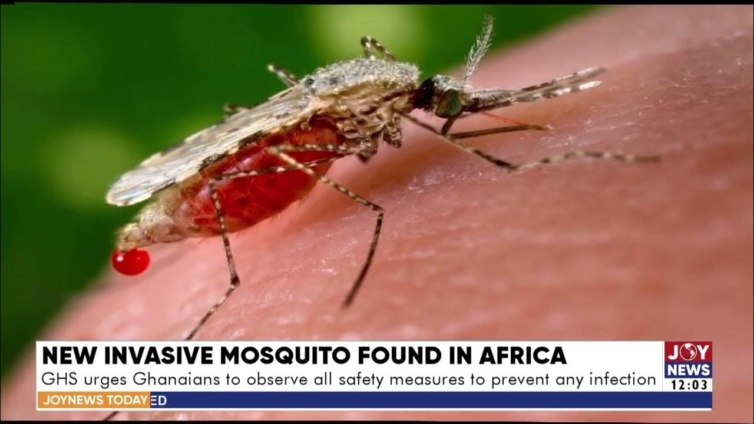
Malaria remains one of Africa’s deadliest public health threats, with efforts to eradicate the disease slowing at an alarming rate.
According to the World Health Organization (WHO), African Union Member States recorded 251 million malaria cases in 2023, accounting for 95 per cent of global infections.
The WHO’s 2024 Malaria Report further reveals that 579,414 malaria-related deaths were reported, with Africa shouldering a staggering 97 per cent of global fatalities. Alarmingly, children under five made up 76% of these casualties.
In Teshie Municipality, a highly endemic malaria zone, the Malaria Youth Corps is actively raising awareness about the disease’s persistence.
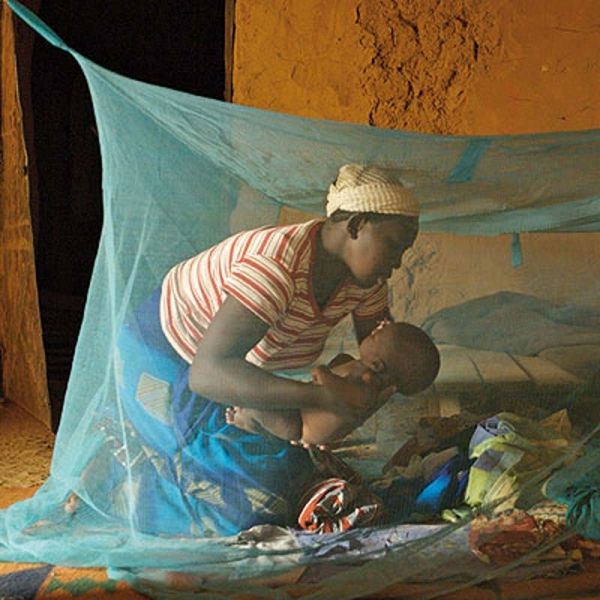
However, a common concern among community members is that sleeping under treated mosquito nets is uncomfortable due to the heat. This resistance to prevention tools is just one of the many barriers slowing progress.
Malaria eradication efforts are being crippled by funding shortfalls, rising drug and insecticide resistance, climate change, humanitarian crises, and even invasive mosquito species. The financial strain is particularly severe.
In 2023, global investment in the fight against malaria reached only $4 billion, far below the $8.3 billion target.
The Chairperson of the African Leaders Malaria Youth Advisory Council, Eunice Eleanor Klinogo, underscored how financial struggles, coupled with growing resistance to treatments and insecticides, are making eradication increasingly difficult.
“The funding we’ve received has saved many lives and reduced cases, but we are now facing a perfect storm. There’s a biological threat; mosquitoes are becoming resistant to drugs, so we need new treatments that they cannot withstand. Africa needs urgent funding to help us achieve universal health care by 2030, in line with Goal 3 of the Sustainable Development Goals.
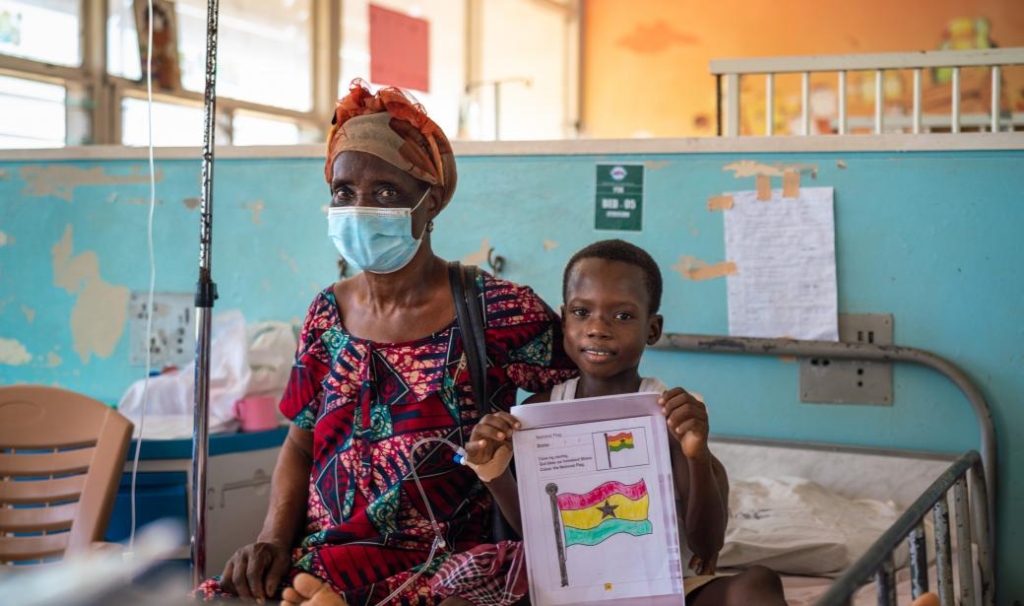
"Every 60 seconds, a child dies from malaria. That means our nations are losing future leaders, builders, and change makers. This disease is preventable, yet a lack of education in communities continues to fuel its spread. We are calling on governments to increase domestic funding for malaria eradication,” she stated.
Between 2015 and 2023, reported malaria cases in Ghana dropped from 2,137 to 146. Additionally, nearly two million children in Ghana, Kenya, and Malawi received the malaria vaccine between 2019 and 2023, marking a significant step forward.
However, beyond funding and treatment, a hidden language barrier persists. Dr. Paul Worlanyo Baka explains that language gaps in rural communities further complicate malaria awareness campaigns.
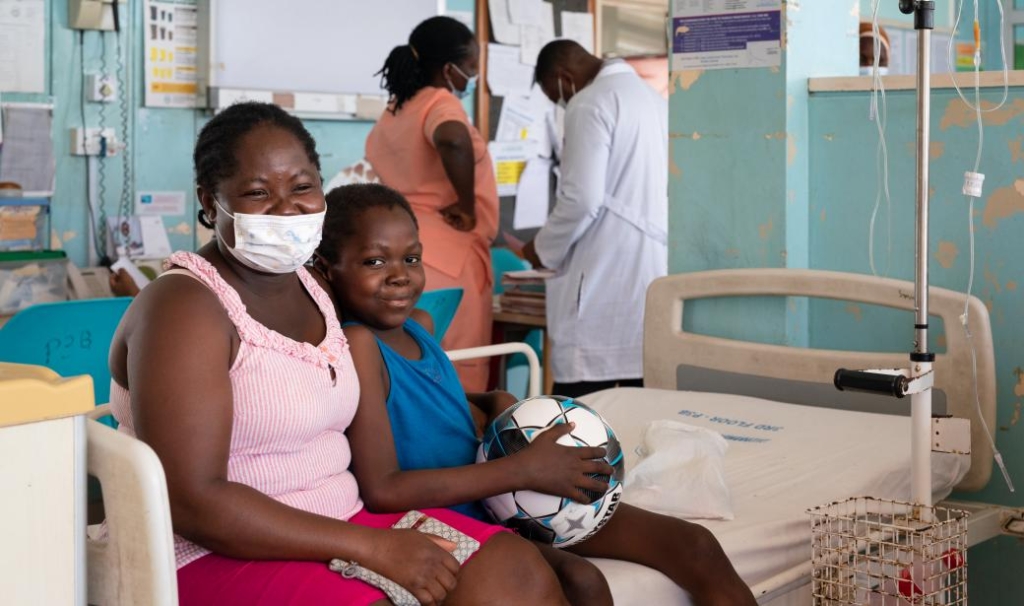
“One of the major challenges in malaria elimination is the language barrier in rural communities. Many people struggle to understand malaria education because it is not delivered in their local languages. To address this, we must ensure that information is translated into local dialects and that community members who can relate to these populations are involved in awareness campaigns,” he emphasized.
While 21 African countries, including Ghana, Kenya, Ethiopia, and Zambia, have reduced malaria incidence since 2015, the continent remains off track to meet the 2030 elimination target.
Without urgent investments, innovative solutions, and renewed commitments, the dream of a malaria-free Africa will remain elusive.
Latest Stories
-
Church of Pentecost supports over 2,000 BECE candidates in Obuasi with career guidance seminar
41 minutes -
Brandon Asante and Coventry all but promoted to Premier League despite Sheffield Wednesday draw
1 hour -
GPL 2025/26: Late Kwartemaa strike downs Hearts in Tema
1 hour -
Ghana Faces Sierra Leone Moment as Prosecutorial Powers come under strain
1 hour -
Don’t consume fish or seafood from Tema Shipyard until further notice – FDA warns
1 hour -
Why volunteering might be Africa’s most underrated career accelerator
2 hours -
ActionAid Ghana raises concern over gender gaps in Feed Ghana Programme
2 hours -
Windstorm wreaks havoc in Gushegu, displacing nearly 2,000 residents and damaging schools
2 hours -
Friends of Bridget Bonnie Marks her 35th birthday with donation to Kasseh Model Health Centre
2 hours -
From Ekumfi Kokodo to the Pulpit Stage: Essi Donkor’s gospel journey takes shape
3 hours -
Landfilling waste management creates no value, it’s an economic waste
3 hours -
Photos: Speaker Bagbin Commissions MPs constituency office under parliamentary decentralisation programme
3 hours -
Black Stars technical advisor Winfried Schäfer sacked as GFA shakes up backroom staff
3 hours -
Wenchi water project almost complete, critical to gov’t agenda – GWL MD
3 hours -
Anti-LGBTQ+ bill not part of government’s legislative agenda – Inusah Fuseini
3 hours