

Audio By Carbonatix
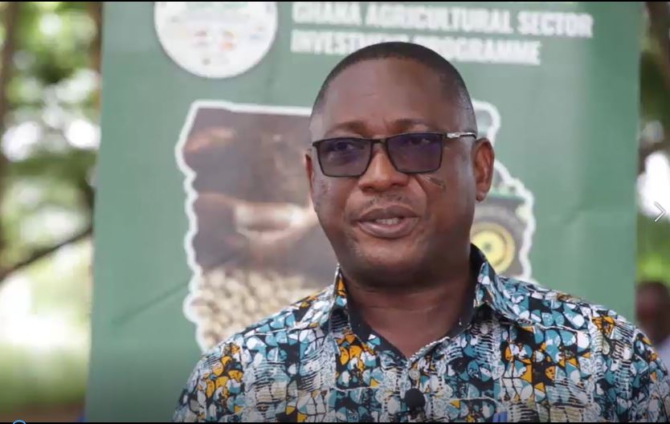
Agribusiness consultant and development advocate, Klutse Kudomor, has called for strategic interventions to develop the local mat weaving industry in South Tongu in the Volta region.
In an interview, Mr Kudomor highlighted the potential of mat weaving to significantly contribute to the district's economic growth while fostering financial independence among the community's residents.
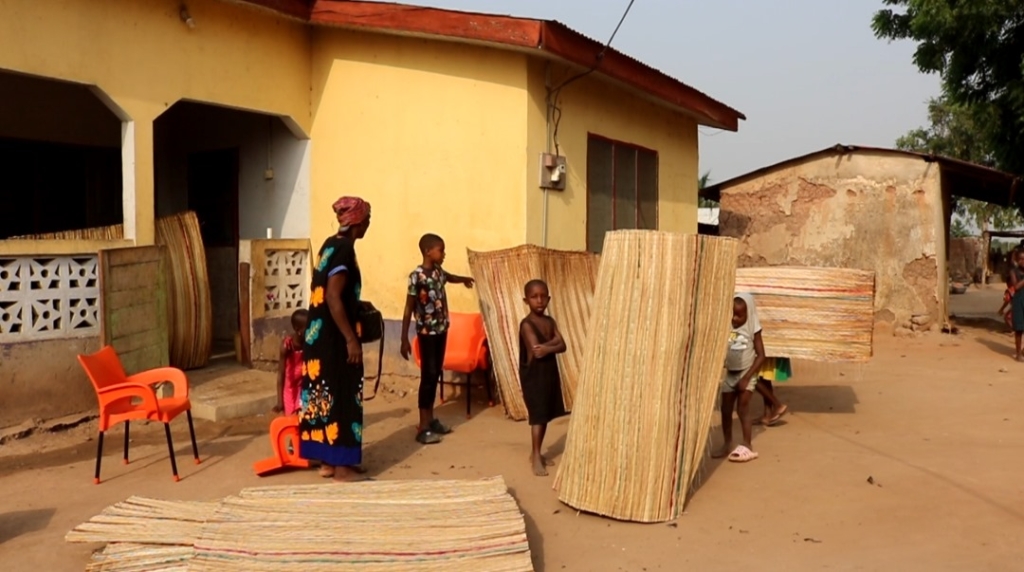
The traditional craft of mat weaving, deeply rooted in the culture of Aglokpovia, has sustained generations. However, Mr Kudomor noted that the industry remains underdeveloped, limiting its potential to generate substantial income for the weavers and the district at large.
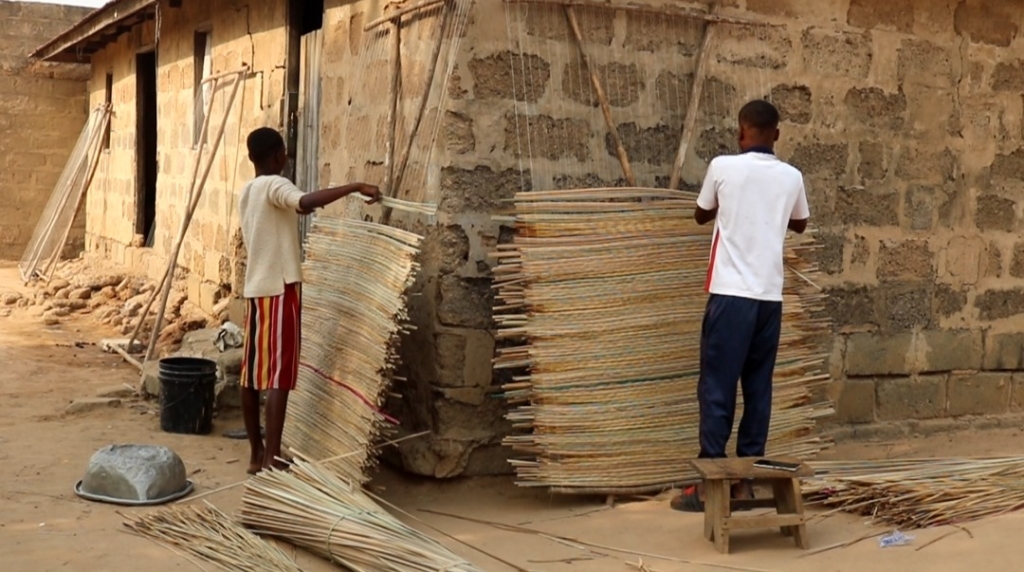
“Mat weaving is a major industry in this community, and it has the potential to transform the district if we come together to support and enhance it. We need to educate those involved in harvesting the raw materials on how to protect themselves and work safely in the marshy areas where the materials are sourced,” he stated.
Safety concerns in raw material harvesting
Mr Kudomor emphasised the hazardous conditions under which local women harvest raw materials for mat weaving. He called for urgent measures to protect these women from potential accidents, stressing the need for protective clothing, boots, and jackets to shield them from insect bites and snake attacks.
“They need to be educated about the hazards of working in these areas and provided with the necessary protective clothing. Although they are careful, one accident would be one too many. Protecting them from any tragedy is paramount,” he added.
Value addition to mats
Beyond safety, Mr Kudomor outlined innovative plans to add value to the locally woven mats. He revealed efforts to collaborate with engineers and officials from Ashfoam, a leading foam manufacturer, to transform the mats into comfortable mattresses.
“Currently, the mats are flat and somewhat uncomfortable to sleep on. By enhancing them with foam, we can make them more marketable and comfortable, thus expanding their appeal to other communities,” he explained.
He emphasised that adding value to the mats would boost their market potential and enhance the economic viability of the weaving industry. According to him, this initiative requires partnership and support from stakeholders, including the government, private organisations, and development agencies.
Economic and social benefits
Developing the mat weaving industry, Mr Kudomor argued, would create jobs, increase household incomes, and reduce poverty in the district. “With proper support and investment, this traditional craft can become a significant source of revenue for the district and a pathway to financial independence for the people.”
Call for support
Mr Kudomor appealed to the government, NGOs, and private sector players to invest in the mat weaving industry. He noted that supporting initiatives such as providing protective gear for weavers and developing foam-enhanced mattresses would transform the industry into a vibrant economic sector.
“Who knows what the future holds? If we work together to enhance this craft, we can create a sustainable industry that benefits everyone. The government and private partners must join hands to make this dream a reality,” he concluded.
The mat weaving industry in South Tongu holds immense potential for economic transformation. With the right investments, education, and safety measures, this traditional craft could evolve into a lucrative business that not only preserves the cultural heritage of the community but also secures its financial future.
The advocacy of experts like Mr Klutse Kudomor highlights the urgent need for a coordinated effort to harness the economic potential of local crafts and empower rural communities across Ghana.
Latest Stories
-
Power restoration fault suspected in Kumasi Central Market fire
3 hours -
The 7-foot giant of Ngleshie Amanfro: Seven-foot Ghanaian Ephraim Saawa dreams of joining the national basketball team
4 hours -
Government promises support for Kumasi Central Market fire victims
4 hours -
Vibes The Movie: Big Ghun’s Ghanaian film earns five nominations at 2026 REFFA
4 hours -
MamaCare CEO warns unresolved conflicts among health workers could undermine maternal and neonatal care
5 hours -
Health professionals urged to translate medical knowledge into practice to save mothers
5 hours -
Conflicts among care providers linked to maternal, neonatal deaths – Expert
6 hours -
GIS marks 10th TIME conference, champions improved teaching practices
7 hours -
BRICS Or Balance? What Ghana’s bid really means
7 hours -
GPRTU wants full TRAFFITECH-GH implementation to start in 2027
7 hours -
Mahama announces plans to import electric wheelchairs for PWDs
7 hours -
KGL U17 Colts 2026: Western beat Prempeh Elite Academy to set up final final with Greater Accra Region
8 hours -
Late Solanke strike salvages 10-man Spurs draw at Man United
8 hours -
Gender Ministry to monitor welfare of Nana Akua Addo’s children amid domestic violence case
8 hours -
Benedict Okyere Yeboah: Ghana’s football problem goes beyond sacking a coach
8 hours