

Audio By Carbonatix
Morocco has become the latest Arab League country to agree to normalise relations with Israel in a deal brokered with US help. As part of the deal, the US has agreed to recognise Morocco's claim over the disputed Western Sahara region.
It is the subject of a dispute between Morocco and the Algeria-backed Polisario Front, which has been seeking to establish an independent state. Morocco is the fourth state to make such a deal with Israel since August.
Agreements have also been struck recently with the United Arab Emirates, Bahrain and Sudan.
What is the deal?
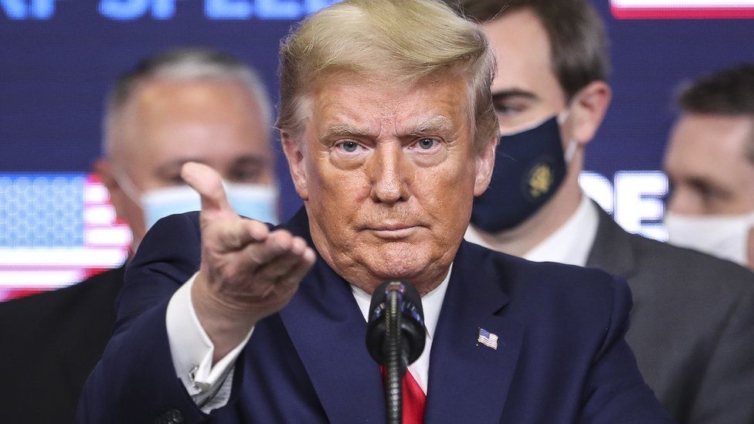
US President Donald Trump announced the agreement on Twitter on Thursday.
"Another HISTORIC breakthrough today! Our two GREAT friends Israel and the Kingdom of Morocco have agreed to full diplomatic relations - a massive breakthrough for peace in the Middle East!" he wrote.
The White House said Mr Trump and Morocco's King Mohammed VI had agreed that Morocco would "resume diplomatic relations between Morocco and Israel and expand economic and cultural co-operation to advance regional stability".
The deal includes the reopening of liaison offices in Tel Aviv and Rabat, and the eventual opening of embassies. US officials said Morocco would grant overflights and direct flights to and from Israel for all Israelis.
Israeli Prime Minister Benjamin Netanyahu hailed the "historic" agreement. In a televised address, he thanked Morocco's king and said the people of Israel and Morocco have had a "warm relationship in the modern period".
What about Western Sahara?
The White House said the US would recognise Morocco's claim over Western Sahara as part of the deal.
In a phone call with the Moroccan king, Mr Trump "reaffirmed his support for Morocco's serious, credible, and realistic autonomy proposal as the only basis for a just and lasting solution to the dispute over the Western Sahara territory and as such the president recognised Moroccan sovereignty over the entire Western Sahara territory," the White House said.
A former Spanish colony, it was annexed by Morocco in 1975. Since then it has been the subject of a long-running territorial dispute between Morocco and its indigenous Saharawi people, led by the Polisario Front.
Morocco says it has always been part of its territory, while the African Union recognises it as an independent state.
A 16-year-long insurgency ended with a UN-brokered truce in 1991 and the promise of a referendum on independence, which has yet to take place.
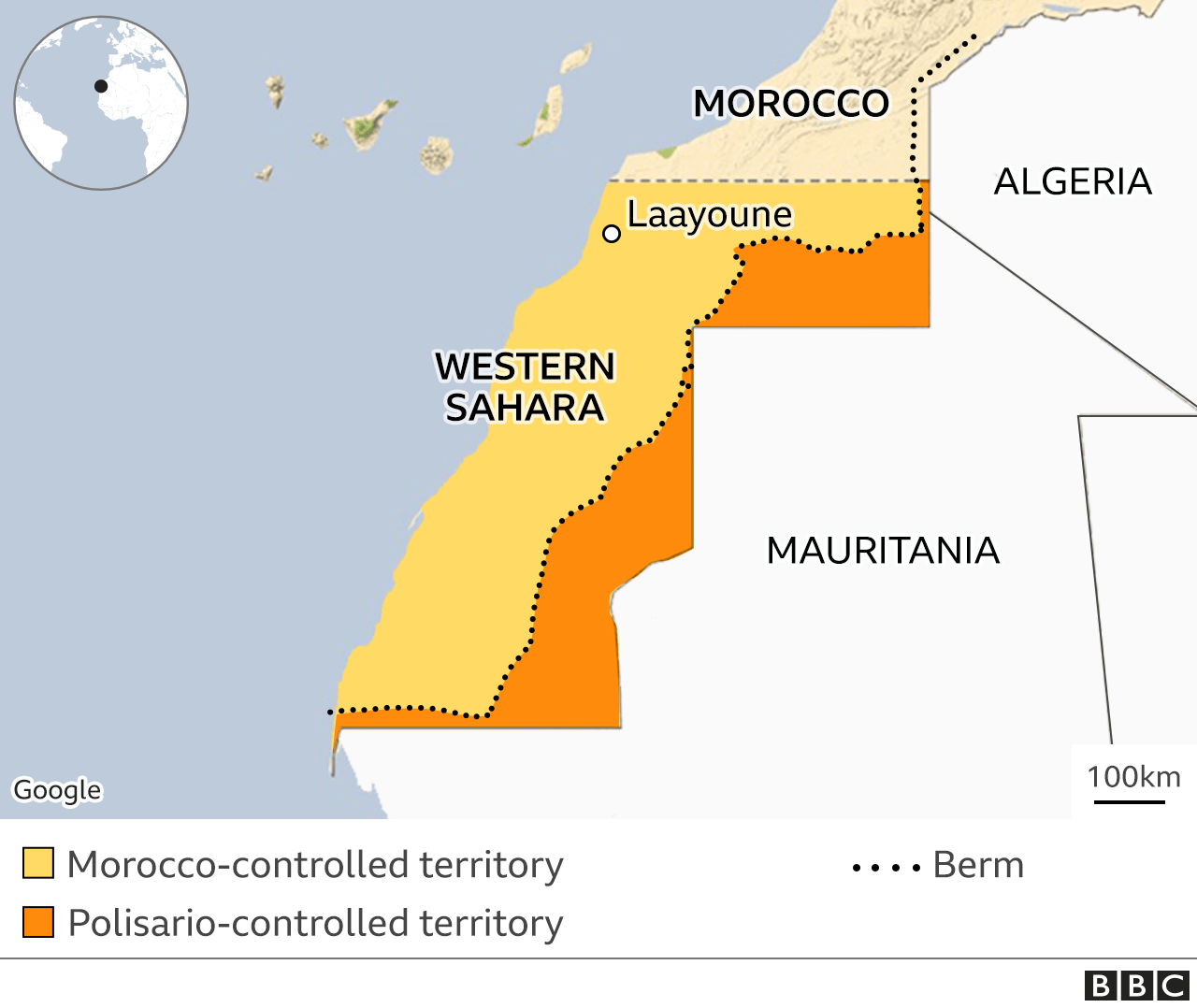
Last month, the pro-independence Polisario Front said the three-decades-old ceasefire had been ended by a Moroccan military operation in a buffer zone.
Lotfi Bouchaara, Morocco's ambassador to Moscow, told the BBC's Focus on Africa programme that Morocco did not breach the ceasefire but that its military was responding to a provocation by Polisario fighters who had blocked a key road to Mauritania.
Morocco had reacted with "restraint", he said.
A White House proclamation on Thursday said the US believed that an independent Sahrawi State is "not a realistic option for resolving the conflict and that genuine autonomy under Moroccan sovereignty is the only feasible solution".
Morocco's royal court said Washington would open a consulate in Western Sahara as part of its deal with Israel, according to Reuters news agency.
The Polisario Front has not yet commented.
Latest Stories
-
ECG announces power outage in parts of Tema, Central Region due to network fault, maintenance
2 minutes -
When the Gospel Becomes a Weapon: The church, blackmail and the abuse of faith
27 minutes -
JoyNews’ Jacqueline Ansomah Yeboah selected for UK Media Excellence for Emerging Technology Fellowship
44 minutes -
Mental Health Alliance urges government to operationalise Mental Health Fund
59 minutes -
Ghana–Holy See agreement heads to Parliament after Cabinet approval
1 hour -
Luv FM Corporate Games 2026: Kumasi Central Prisons, Amanfiman Bank win big amid fun
1 hour -
WAFU B U17: Ghana top Group A after win over Togo
2 hours -
Ho Central Mosque reopens amid unresolved leadership dispute that led to closure
3 hours -
Minority caucus questions GH¢16.4m in Ablakwa’s SA evacuation spending, demands independent audit
3 hours -
Gender Ministry meets Nana Akua Addo’s husband over domestic violence after hospital discharge
4 hours -
UG Vice-Chancellor urges swift operationalisation of National Research Fund
4 hours -
Pope Leo to have surgery after lump found in lung
4 hours -
Joseph Cudjoe writes: Ghana must break free from the dangerous mindset that natural resources are the foundation for wealth
5 hours -
Children among 109 dead after boat capsizes off Djibouti, UN says
5 hours -
OmniBSIC Bank’s 11th health walk promotes fitness and business growth
5 hours