

Audio By Carbonatix
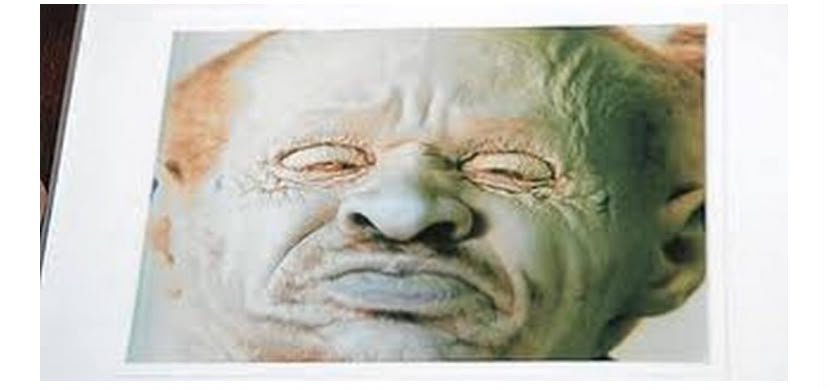
Members of Parliament have called for the establishment of a tourist museum in the Ahanta West Municipality to preserve the returned head of Nana Badu Bonsu II, the Ahanta king who was publicly executed by Dutch colonial authorities during the Ahanta-Dutch War in 1838.
The proposal was made on the floor of Parliament as lawmakers paid tribute to the late king, whose resistance against colonial rule has been described as a symbol of Ghana’s fight for freedom.
More than 170 years after his execution, the severed head of Badu Bonsu II was returned to Ghana by the Netherlands following diplomatic engagements between the two countries.
However, it is currently being kept at the 37 Military Hospital pending a final decision on its preservation.
Presenting a statement in Parliament, the MP for Ahanta West, Mavis Kuukua Bissue, urged the nation to honour the memory of the revered chief by establishing a museum in his home area.
She said such a facility would not only preserve an important part of Ghana’s history but also serve as a centre for education and tourism.
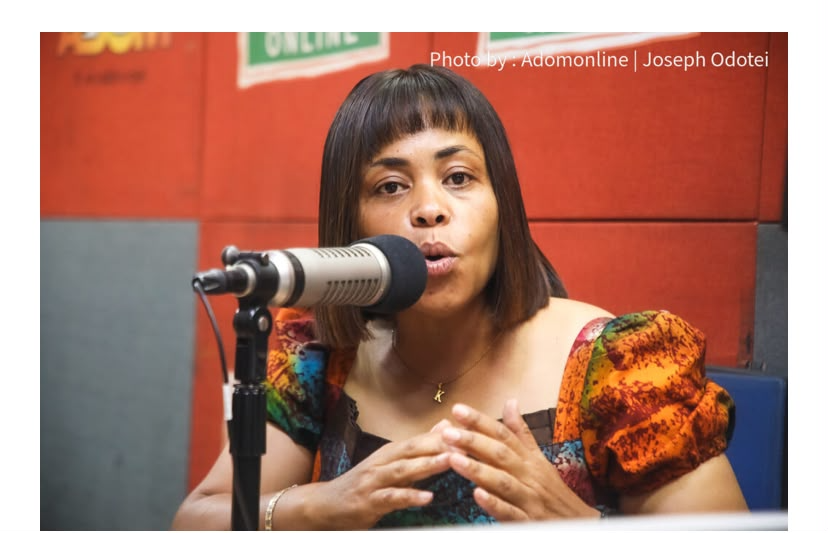
According to her, Badu Bonsu II’s courage and sacrifice in resisting colonial domination deserve national recognition, adding that future generations should be able to learn about his legacy.
The proposal received support from Members on both sides of the House.
The Member of Parliament for Tamale Central, Prof. Seidu Mahama Alidu, backed the call, describing the return of the king’s remains as an opportunity for Ghana to reclaim and preserve an important chapter of its history.
Similarly, the Member of Parliament for Guan, Fred Kwesi Agbenyo, supported the establishment of a museum, saying it would ensure that the story of Badu Bonsu II and the Ahanta people’s resistance against colonial oppression is preserved for posterity.
Lawmakers said preserving the remains in a dedicated museum would not only honour the fallen king but also strengthen historical education, cultural identity and heritage tourism in the Western Region.
Nana Badu Bonsu II was executed by Dutch colonial authorities in 1838 after leading resistance against Dutch rule during the Ahanta-Dutch War. His head was taken to the Netherlands, where it remained for more than a century before being repatriated to Ghana following diplomatic negotiations.
Latest Stories
-
Power restoration fault suspected in Kumasi Central Market fire
1 hour -
The 7-foot giant of Ngleshie Amanfro: Seven-foot Ghanaian Ephraim Saawa dreams of joining the national basketball team
2 hours -
Government promises support for Kumasi Central Market fire victims
2 hours -
Vibes The Movie: Big Ghun’s Ghanaian film earns five nominations at 2026 REFFA
3 hours -
MamaCare CEO warns unresolved conflicts among health workers could undermine maternal and neonatal care
3 hours -
Health professionals urged to translate medical knowledge into practice to save mothers
3 hours -
Conflicts among care providers linked to maternal, neonatal deaths – Expert
5 hours -
GIS marks 10th TIME conference, champions improved teaching practices
5 hours -
BRICS Or Balance? What Ghana’s bid really means
5 hours -
GPRTU wants full TRAFFITECH-GH implementation to start in 2027
6 hours -
Mahama announces plans to import electric wheelchairs for PWDs
6 hours -
KGL U17 Colts 2026: Western beat Prempeh Elite Academy to set up final final with Greater Accra Region
6 hours -
Late Solanke strike salvages 10-man Spurs draw at Man United
6 hours -
Gender Ministry to monitor welfare of Nana Akua Addo’s children amid domestic violence case
6 hours -
Benedict Okyere Yeboah: Ghana’s football problem goes beyond sacking a coach
6 hours