

Audio By Carbonatix
A new research by the University of Ghana has shown that using oil palm waste on vegetable farms could double yield and at the same time help fight climate change.
The increased yield will increase farmers’ income and create thousands of jobs in rural areas, thereby alleviating poverty.
“Poverty, malnutrition, and unemployment are very high in rural Ghana. The oil palm waste– the material left after taking out palm fruits from bunches—is right at their doorstep in large quantities, and our research shows the waste could give these people hope for a better future,” says Dr. Eric Oppong Danso, who’s leading the research at the University of Ghana’s Forest and Horticultural Crops Research Centre.
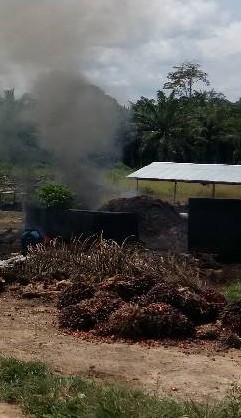
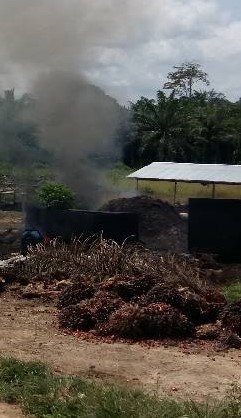
Huge amounts of oil palm waste are produced in oil palm plantations in Ghana. Every day, around 300 tonnes of this waste is produced, and usually it is burned off, thereby worsening climate change. But instead of being burned off, the waste can be used as organic fertilizer on vegetable farms to increase yield and mitigate emissions from uncontrolled burning.
“The vegetable market in Ghana is growing at over 10% per year, with the potential to employ thousands of rural farmers and help alleviate poverty. However, declining soil fertility will make it increasingly difficult to realize this potential without replenishing soil nutrients” Dr. Oppong Danso, explained.
The researchers found that by throwing just 30 kg of the oil palm waste on eggplant fields, they could increase the yield from 60 tonnes per hectare to 140 tonnes per hectare. This was shown at an experiment conducted in the Okumaning village of eastern Ghana.
“This means that farmers can have a better income and livelihood, and at the same time, more jobs will be created right from the farm, through the market, to the dining table," Dr. Oppong Danso emphasized.
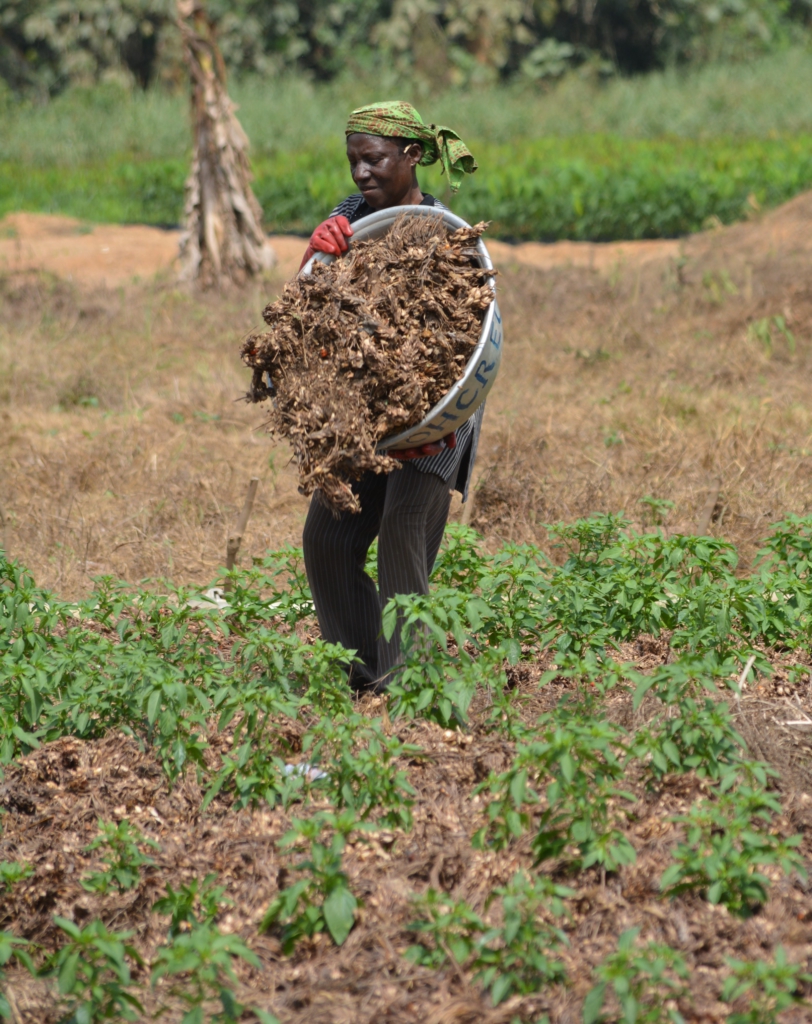
Vegetables have higher nutritional benefits compared with what is present in cassava, maize, and other everyday foods consumed in Ghana, but yields are very low due to low soil quality. By mobilizing Ghana’s largely unused oil palm waste, vegetable yields could be doubled and thereby help fight malnutrition and hunger in Ghana.
Latest Stories
-
DreamOval Foundation appoints five-member board to drive digital education and youth empowerment
31 seconds -
Accounting for public funds is not enough to prove performance – Ghana Audit Service
1 minute -
GACC trains journalists on Auditor-General’s NPA Performance Audit Report
1 minute -
Freedom of expression doesn’t require degradation of public discourse – Bagbin
4 minutes -
NADMO begins relief distribution to over 4,000 households affected by Hohoe floods
19 minutes -
Road Minister tasks Arab Contractors to expedite Kumasi Outer Ring Road
25 minutes -
Media must strengthen fact-checking to fight information disorder – President’s Legal Advisor
27 minutes -
DVLA begins pilot of RFID-enabled number plates ahead of 2027 rollout
28 minutes -
There is more than one pathway to the future you want
35 minutes -
Government appeals to striking teachers to suspend action as FWSC talks resume
38 minutes -
Gender Ministry calls for greater industry support for women in TVET
42 minutes -
Mrs. Victoria Keren Lamiorkor Adomakoh (née Bright-Davies)
45 minutes -
WHO calls for targeted healthcare support for vulnerable communities in Upper East
47 minutes -
Man released on bail after 41 years on death row
48 minutes -
NADMO mobilises over 1,000 mattresses as relief efforts continue for Hohoe flood victims
52 minutes