

Audio By Carbonatix
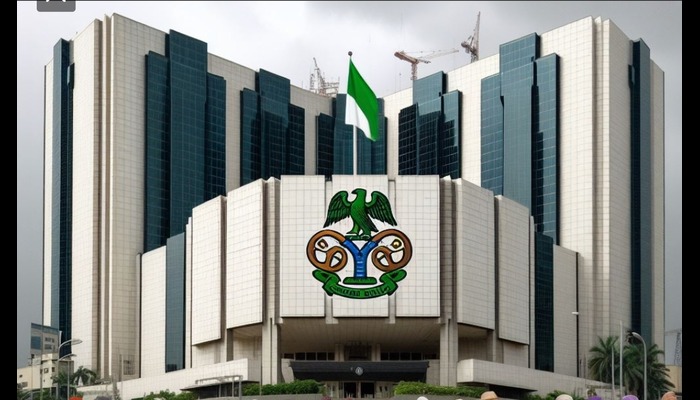
Nigeria raised $2.25 billion in a bond sale on Wednesday as markets largely shrugged off threats from U.S. President Donald Trump of potential military action in the country.
The sale reflects a sharp improvement in global borrowing conditions that is tempting some of the world's riskiest sovereigns back to international bond markets, with Congo Republic, Angola and Kenya also selling their high-yield debt to eager investors.
Nigeria's dual-tranche listing for ten-year and twenty-year bonds was oversubscribed and priced at 8.625% and 9.125%, respectively, according to IRF, below the initial price expectations.
The firm demand came despite Trump's Sunday threat of military action in Nigeria if the country did not crack down on the killing of Christians.
Instead, investors are keen to place their cash in frontier countries like Nigeria that have spent years making painful fiscal reforms; President Bola Tinubu removed fuel subsidies and allowed the naira to devalue - moves that experts say were necessary but that have made life tougher for citizens.
BORROWING COSTS FALL - AND INVESTORS CLAMOUR
JPMorgan data also showed that only four emerging market countries still have bond spreads above 1,000 basis points over U.S. Treasuries - the threshold that is considered prohibitively costly. The spread compression has lured frontier borrowers back to the market.

This rebound has allowed EM governments to sell a record amount of dollar-denominated debt this year, surpassing even the COVID-era.

For frontiers, it also shows years of painful reforms are starting to bear fruit. But it also underscored investors' hunt for yields and their increasing concerns over debt levels in countries once thought to be safer, such as the United States and Europe.
Congo Republic, which has one of the lowest credit ratings in Africa at CCC+, also sold its first Eurobond in nearly two decades on Wednesday.
Thys Louw, a portfolio manager at Ninety One, said African frontier borrowers had issued very little external debt since 2022, helping support spreads and investor demand.
"They've been so reliant on local debt markets, and this is true across Africa, that it now starts to make sense to start to diversify funding sources once again at these yield levels," he said.
Nations that could still issue from Africa include Egypt, Ivory Coast, South Africa and Benin, Louw said.
Latest Stories
-
Tarkwa court jails labourer for three years over GH¢123,000 theft
35 minutes -
GAEC must retain nuclear scientists for Ghana’s nuclear ambitions – Minister
1 hour -
Man reportedly mistaken for game and shot by hunter dead in forest
1 hour -
19-year-old mason jailed 15 years for defiling seven-year-old pupil
1 hour -
Ghana’s banking sector assets rise 20.47% to GH¢500.2bn – BoG Governor
1 hour -
22 injured as Sprinter bus overturns at Sege after tyre burst
1 hour -
UN housing expert urges Ghana to strengthen Rent Control Department amid housing affordability concerns
1 hour -
Delta-BCI partnership reaches 166,000 people with breast cancer education
2 hours -
Power restoration fault suspected in Kumasi Central Market fire
7 hours -
The 7-foot giant of Ngleshie Amanfro: Seven-foot Ghanaian Ephraim Saawa dreams of joining the national basketball team
7 hours -
Government promises support for Kumasi Central Market fire victims
8 hours -
Vibes The Movie: Big Ghun’s Ghanaian film earns five nominations at 2026 REFFA
8 hours -
‘I’m a fulfilled man’—Justice Korbieh on missing out on Supreme Court despite two nominations
8 hours -
MamaCare CEO warns unresolved conflicts among health workers could undermine maternal and neonatal care
8 hours -
Health professionals urged to translate medical knowledge into practice to save mothers
9 hours