

Audio By Carbonatix
For some time, I had not travelled on the Accra-Winneba road. However, I recently came across a post on my Facebook wall where some friends were discussing the alarming level of dust on the highway due to ongoing construction. Their comments were not just casual observations but serious concerns about how the thick dust was affecting motorists and pedestrians alike.
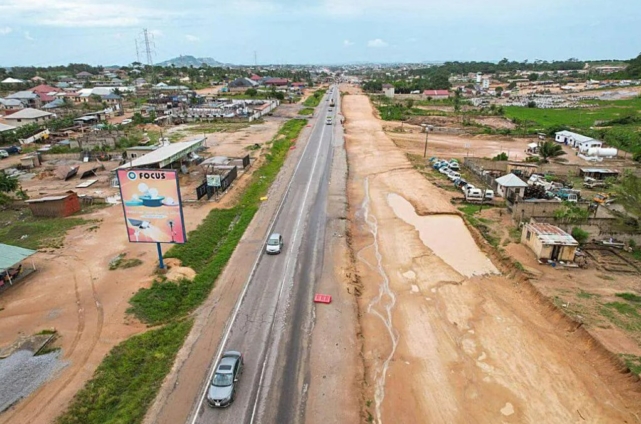
Curious and concerned, I decided to experience the situation firsthand. What I witnessed was shocking. The air was thick with dust, making visibility almost impossible at certain points. Drivers had to rely on hazard lights and extreme caution to navigate the road. The situation was so bad that vehicles disappeared into the dust like a thick fog, posing a serious risk of collisions. Pedestrians walking along the road were covered in dust from head to toe, while traders in nearby communities struggled to sell food and other items under these hazardous conditions.
This is more than just a nuisance; it is a major public health crisis. If nothing is done urgently, we may soon count lives lost—not just in accidents but from long-term exposure to airborne pollutants.
Road construction is an essential aspect of national development. Good roads facilitate trade, improve connectivity, and enhance the overall quality of life. Hospitals, schools, and infrastructure projects are all necessary interventions that ease the burden on the populace. However, while these projects are meant to improve lives, they should not come at the cost of the very people they are designed to serve.
It is common knowledge that large-scale construction projects come with health and environmental concerns. That is why there are regulatory bodies mandated to ensure that safety measures are put in place. Unfortunately, the situation on the Accra-Winneba road suggests otherwise. The unbearable level of dust on this stretch is a glaring failure of oversight by responsible institutions.
Who is Ensuring Safety? While contractors focus on completing road expansion and resurfacing, it is evident that little to no attention is being given to the health and safety of road users and nearby residents. Dust pollution is not just an inconvenience; it is a silent killer. Inhaling excessive dust can lead to severe respiratory diseases such as asthma, bronchitis, and even lung infections. Eye irritation, skin rashes, and long-term organ damage are also associated with prolonged exposure. Children, the elderly, and those with pre-existing health conditions are the most vulnerable.
Yet, from my observations, the only visible safety measure during this construction is the placement of road signs and barricades to prevent pedestrians from getting knocked down by vehicles. But what about protection from airborne pollutants? What measures have been put in place to minimize the impact of dust inhalation?
The communities along this road are directly affected. Residents breathe in dust every day, schoolchildren walk through it, and traders conduct their businesses in it. How long must they endure this before action is taken?
A Call for Immediate Action The situation calls for urgent intervention from the Environmental Protection Agency (EPA), the Ministry of Roads and Highways, the Ghana Highway Authority, and local municipal assemblies. Road construction should not only be about laying asphalt; it should also prioritize the safety of people during and after the project. Contractors must be held accountable and required to implement dust suppression measures such as:
Regular Water Sprinkling: Construction companies must frequently spray water on dusty sections of the road to keep the dust levels down. This is a basic and effective measure that should be mandatory.
Use of Dust Control Barriers: Protective barriers should be placed around high-dust areas to contain dust within construction zones. This will help prevent it from spreading into nearby communities.
Mandatory Use of Protective Gear: Workers, commuters, and affected residents should have access to face masks and other protective equipment to reduce the risk of inhaling harmful dust particles.
Health Monitoring Programs: Government agencies should conduct regular health screenings in communities along the construction route to track and mitigate the impact of air pollution.
Are We Trading Lives for Roads? By the time the government completes these roads, will there be anyone left to use them? If we continue to consume high levels of dust through breathing, it is only a matter of time before we start experiencing an increase in respiratory illnesses, hospitalizations, and avoidable deaths.
While we all welcome development, we must not turn a blind eye to the suffering it brings. The time to act is now. The authorities must step in immediately to enforce dust control measures and ensure that road construction does not compromise the health and safety of the very people it aims to serve.
The question remains: Who is truly looking out for the people?
Fiifi Nettey, Media consultant, Accra
Latest Stories
-
‘Follow Ghana’s steps’ – IMF Africa Director hails economic gains
20 minutes -
Kwame Nkrumah’s son Gamal dies; burial scheduled for Saturday in Egypt
27 minutes -
Ghana will beat IMF’s upgraded 5.7% growth forecast – Ato Forson
28 minutes -
Middle East tensions, global risks to shape November policy rate decision – BoG Governor
33 minutes -
MTN Ghana to invest $1.1bn over three years, deploy 500 new sites in 2026
39 minutes -
15 arrested over alleged sand-winning activities along new Accra-Kumasi Expressway project
47 minutes -
Agriculture Slows to 3.9% as Ghana’s Economy Grows by 6%
1 hour -
Government launches rCOMSDEP to promote responsible mining in Western Region
2 hours -
Foreign Affairs Ministry procures 20 pickups to improve passport services
2 hours -
Oil prices retreat as investors weigh supply outlook, Middle East tensions
2 hours -
Mahama Ayariga highlights Jimi reclamation project as effort to tackle flooding
2 hours -
Ayine pushes duty-lawyer scheme to protect suspects at police stations
2 hours -
Stephen Amoah criticises 20% digital services tax as excessive
2 hours -
Ghana secures $3.5bn investment commitments to revive oil and gas sector – Jinapor
2 hours -
Court to hear Wontumi’s bail application today
2 hours