

Audio By Carbonatix
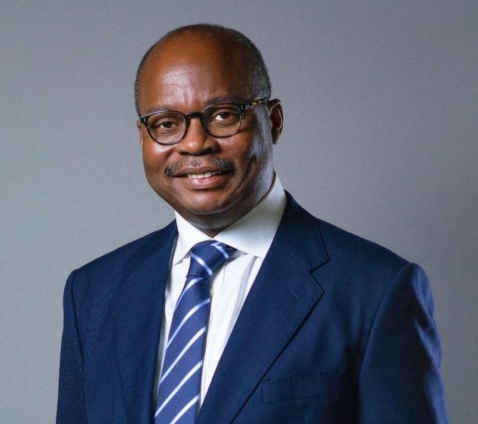
The Governor of the Bank of Ghana (BoG), Dr. Ernest Addison has appealed to parliament to prioritise the passage of the three revenue bills before the House to help the country complete processes for securing an International Monetary Fund (IMF) deal.
The revenue bills are the Income Tax Amendment Bill, the Excise Duty Amendment Bill and the Growth and Sustainability Amendment Bill – which are all key requirements for getting about $3 billion Balance of Payment support from the IMF.
When passed, the taxes are expected to rake in about ¢4 billion annually.
“The passage of the relevant revenue bills by Parliament will therefore conclude the required prior actions to advance Ghana’s programme to the IMF Executive Board,” Dr. Addison said during a press briefing to announce the decision of the Monetary Policy Committee on the policy rate.
He explained that this will be critical in resetting the economy on the path of recovery, including putting it firmly on a disinflation path and sustained growth.
“It is imperative that Parliament prioritizes the passage of the revenue bills currently before it. Under the Staff Level Agreement with the IMF, the Bank of Ghana and the Ministry of Finance have finalised a Memorandum of Understanding on zero financing to the budget, which will be signed shortly”, added.
He stressed that the fiscal outlook is contingent on financing of the budget and will require the conclusion of the domestic debt exchange programme as well as securing the requisite financing assurances from bilateral donors.
Dr. Addison is optimistic discussions with external creditors will be fruitful, making the revenue bills outstanding issues that must be quickly passed to attain economic sustainability.
“The domestic debt exchange, new revenue measures, and structural fiscal reforms will provide significant reduction of debt service and help create fiscal space”, assured.
Banking sector issues
He pointed out that the macro-prudential risk assessments conducted during the Monetary Policy Committee meeting indicated increased pressure on profitability and solvency of banks prior to the implementation of the DDEP.
He added that the preliminary data available to the committee show that the pre-pandemic capital buffers in the banking sector have been weakened somewhat by the recent macroeconomic challenges and the DDEP, although banks remain liquid.
This, he said requires contingency measures by banks, supported by the regulatory reliefs to contain potential risks to financial stability.
“The Bank of Ghana will continue to monitor these developments going forward, and stands ready to act very swiftly to safeguard the stability of the financial sector”.
Latest Stories
-
Amazon eyes Ghana for broadband expansion after talks with Mahama
4 minutes -
National Investment Quiz 2026: Six schools qualify for quarter-finals
31 minutes -
‘Do not let Russia pay for its madness with lives of your people’ – Zelensky to Ghana, 46 other countries
38 minutes -
6,079 promotion cases fully processed and paid – CAGD says amid nationwide teachers’ strike
58 minutes -
Teacher unions to meet government Monday over nationwide strike
1 hour -
Photo story: Republic Bank-JoyNews Habitat Fair clinic wraps up after three days of housing solutions, expert engagement
1 hour -
National Peace Council urges investment in youth to sustain Ghana’s peace
2 hours -
Afenyo-Markin urges youth to speak up against injustice
2 hours -
CAF annuls Edo Queens victory, orders WAFU B final to resume from extra time
2 hours -
Interior Minister urges traditional authorities to enforce anti-bushfire bye-laws
2 hours -
3rd Republic Bank-JoyNews Habitat Fair Clinic ends on a high note after three days of strong patronage
2 hours -
Ten climbers missing after avalanche hits Himalayan base camp
3 hours -
NPP had more permanent fuel relief measures than current GH¢2 diesel cut – Amin Adam
3 hours -
Photos from the 3rd Republic Bank-JoyNews Habitat Fair Clinic
3 hours -
Ethiopia’s army promises restraint amid fears of new civil war
3 hours