

Audio By Carbonatix
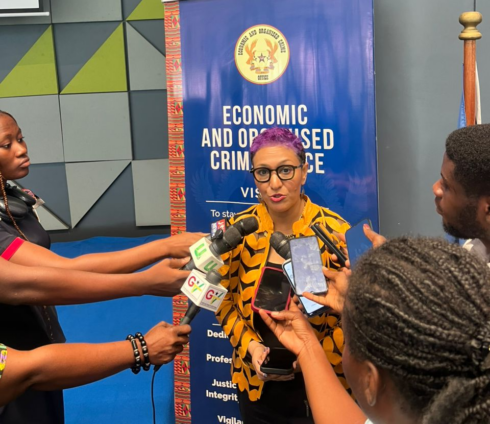
The Chief Communications Officer of the QI Group, Ramya Chandrasekaran, has emphasised the growing sophistication of criminal networks exploiting vulnerable communities across West and Central Africa, while reaffirming QNET’s commitment to public education, victim support and strengthened cooperation with law enforcement agencies.
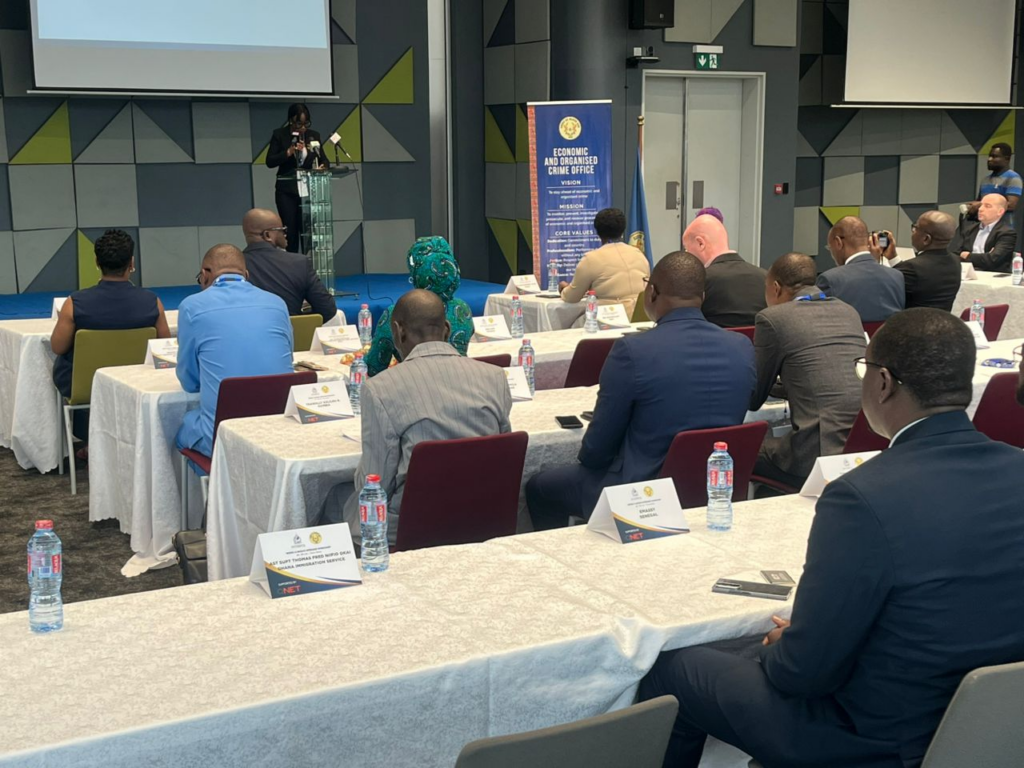
Addressing participants at the EOCO–INTERPOL Regional Coordination and Case Resolution Workshop on Combating Human Trafficking and Migrant Smuggling at the Ecobank Headquarters in Accra on Monday, she said fraud networks are increasingly using deception and impersonation to legitimise their activities.
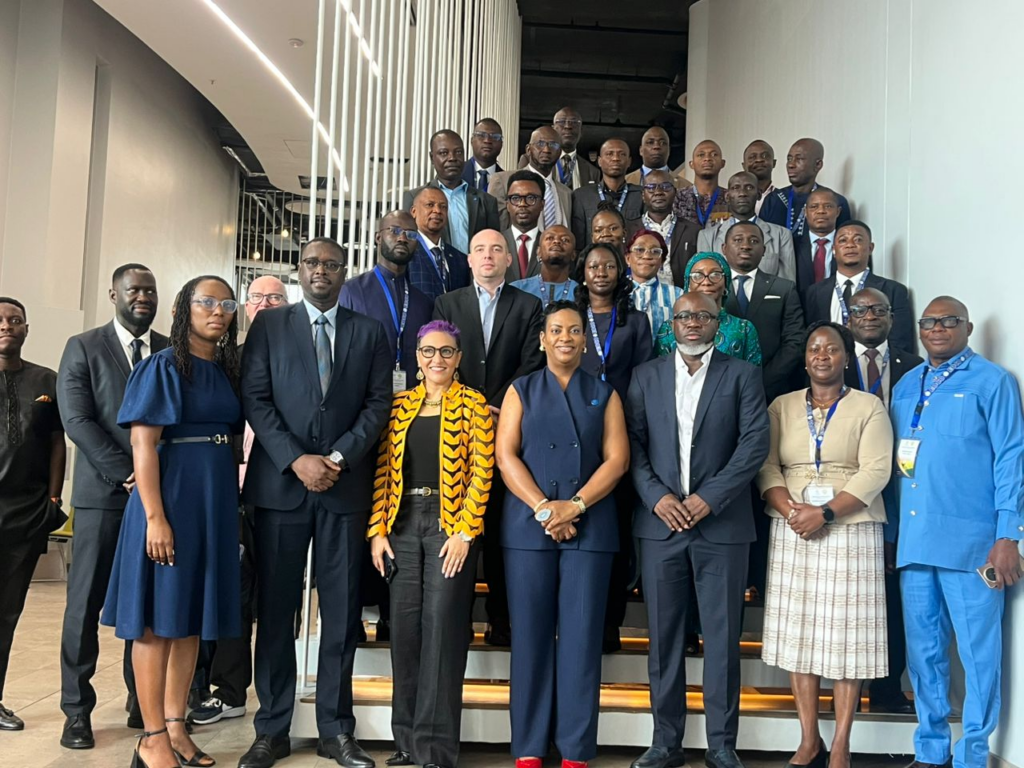
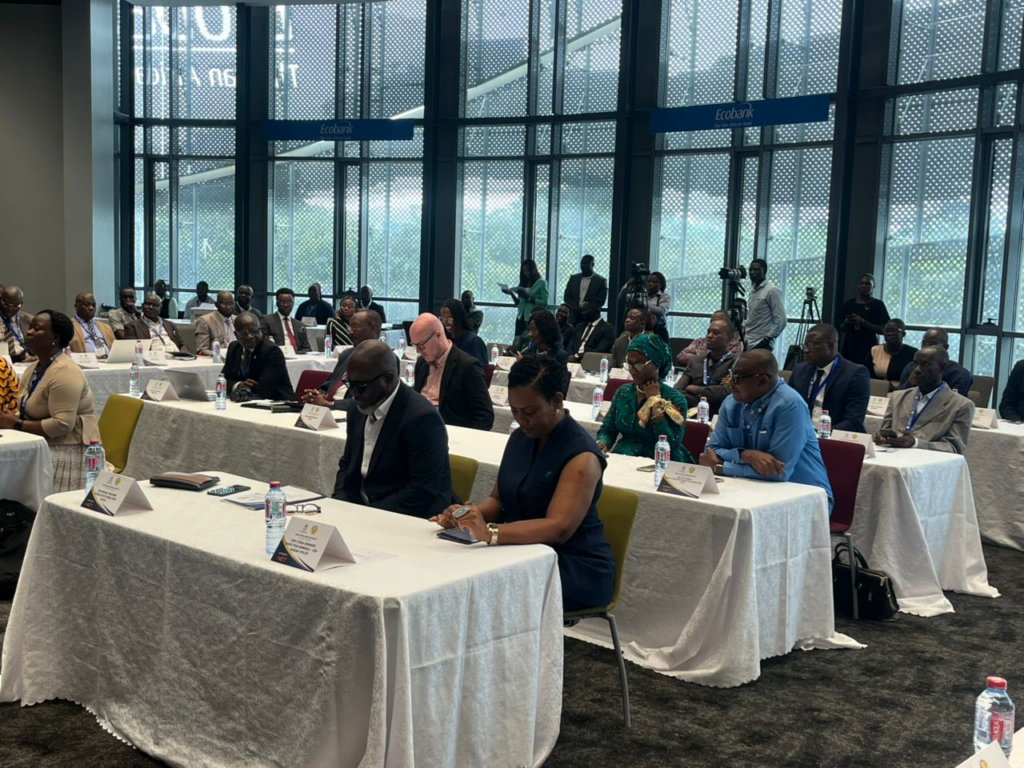
The workshop convened law enforcement agencies, international partners and private sector stakeholders to strengthen regional coordination against human trafficking, migrant smuggling and cyber-enabled fraud.
Chandrasekaran said criminal organisations operating across the region are becoming more sophisticated in how they target individuals, often preying on aspirations for employment, education, travel and economic advancement.
She noted that many of these networks deliberately use the names of legitimate companies to create a false sense of trust and credibility, making it harder for the public to distinguish between genuine opportunities and scams.
“This workshop addresses an issue that is both urgent and deeply human,” she said. “Across our region, criminal networks are becoming more sophisticated in the way they deceive and exploit people.”
She added that these groups rely heavily on false promises to lure victims, often resulting in severe financial loss, exploitation and, in some cases, trafficking-related harm.
Chandrasekaran said QNET has been directly affected by criminal impersonation, with its brand, products and business model repeatedly misrepresented by fraudulent actors.
She stressed, however, that the greater concern lies with the victims and communities impacted by such schemes.
“QNET has experienced this directly. Our brand, products, and business model have been misrepresented by fraudulent individuals and criminal networks,” she said.
“But while this affects our company, we recognise that the greater harm is done to the victims and communities who are deceived, trafficked and exploited.”
The QI Group executive outlined a series of initiatives undertaken by the company to combat misinformation and protect vulnerable groups, including public awareness campaigns across multiple countries in West Africa.
She said these campaigns aim to educate communities on how to identify scams and avoid falling victim to fraudulent schemes.
According to her, QNET has also collaborated with local authorities to strengthen public reporting mechanisms and support efforts to trace and dismantle scam operations.
She further noted that the company has supported victim repatriation initiatives in several countries where its brand has been misused by criminal networks.
Chandrasekaran emphasised that partnerships with law enforcement agencies are central to effectively addressing cross-border fraud and trafficking-related crimes.
She described QNET’s collaboration with Ghana’s Economic and Organised Crime Office (EOCO) as a strong example of how coordinated efforts can produce meaningful results.
“Our collaboration with EOCO has shown us the value of sustained public-private cooperation,” she said.
“No single institution can address this problem alone. Criminal networks operate across borders, so our response must also be coordinated, practical, and cross-border.”
She added that such cooperation is essential for sharing intelligence, improving enforcement outcomes and strengthening victim protection frameworks.
Chandrasekaran expressed appreciation to EOCO and INTERPOL for bringing together stakeholders from across West and Central Africa to address the growing threat of organised fraud and trafficking.
She said the workshop provides a critical platform for exchanging intelligence and identifying emerging patterns of criminal activity.
“We are grateful to EOCO and INTERPOL for bringing together the right people in this room,” she said. “This workshop is an important opportunity to share intelligence, understand emerging patterns, and strengthen cooperation across West and Central Africa.”
Reaffirming the organisation’s position, Chandrasekaran said QNET and its parent company, QI Group, remain committed to supporting regional efforts to combat fraud, trafficking and exploitation.
She called for continued collaboration between private sector actors, law enforcement agencies and regional institutions to protect vulnerable populations.
She pledged ongoing engagement in initiatives aimed at preventing fraud and assisting affected communities.
Latest Stories
-
How does a Ghanaian team make it to the BAL?
17 minutes -
Ghana’s investment climate presents opportunities for industrial growth, job creation.
17 minutes -
‘I paid thousands to a company for jobs that never came’
31 minutes -
SSNIT intensifies informal sector enrolment drive with Techiman float
55 minutes -
Ghana seeks long-term mining investments that benefit local communities – Armah-Kofi Buah
1 hour -
GHATOF demands compensation for 85 businesses affected by La Pleasure Beach demolition
1 hour -
Bono Regional Minister calls for investor education to drive economic growth
1 hour -
Ghana’s Ambassador to China, Kojo Bonsu, presents credentials to Nepalese President
1 hour -
Fairtrade Africa’s Cocoa Hubs Project strengthens rural service centres in cocoa-growing communities
1 hour -
MPs are not development officers – Edem Kpotosu
1 hour -
SEC cautions investors against fraudulent investment schemes
1 hour -
Land Ministry urges rCOMSDEP operators to reserve earnings for land reclamation
1 hour -
Commercial drivers give authorities one week to clear traders from lorry terminals, bus stops
1 hour -
Trump calls off livestream of Fort Hood attacker’s execution by firing squad
2 hours -
Nana B denies claims that Kojo Bamba was his driver and bodyguard
2 hours