

Audio By Carbonatix
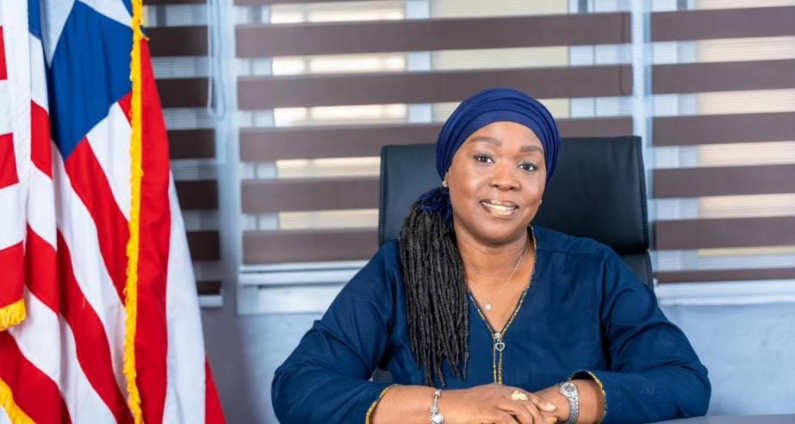
Liberia’s Minister of Foreign Affairs, Sara Beysolow Nyanti, has called on African women to challenge the entrenched systems that continue to sideline them from leadership and decision-making roles.
Speaking at the graduation ceremony of the maiden cohort of the African Women in Global Leadership Programme (AWGLP), an initiative by the African Leaders Institute of Global Affairs (AFLIGA), Madam Nyanti said women have for decades played transformative roles in Africa’s development journey, yet their contributions remain undervalued and their presence in top leadership positions is limited.
“Leadership demands courage, compassion and conviction to challenge barriers, to question systems that have excluded women for far too long and to create pathways where others may follow,” she declared.
The five-week intensive training programme, launched earlier this year, brought together emerging women leaders from across the continent.
It sought to equip young African female professionals with the knowledge, skills, and global networks needed to thrive in governance, diplomacy, and international development spaces.
The initiative by AFLIGA is part of a broader effort to close Africa’s leadership gap by empowering women and youth to drive sustainable transformation.
Similar leadership institutes across the continent have recently emphasised the need to bridge gender disparities in decision-making, an issue that continues to feature prominently in regional governance discussions.
Delivering a passionate address, Dr Charity Binka, Chairperson of the African Women’s Network (Ghana Chapter), urged graduates to break through cultural and institutional barriers that have historically confined women to the sidelines.
“When I was younger, women were expected just to be seen and not to be heard. We were supposed to be quiet, to stay behind, to be led by others, but I refused to be silenced,” she recounted.
“I spoke when it was risky. I worked hard when it was necessary. And I stood alone when I found myself lonely in the media.”
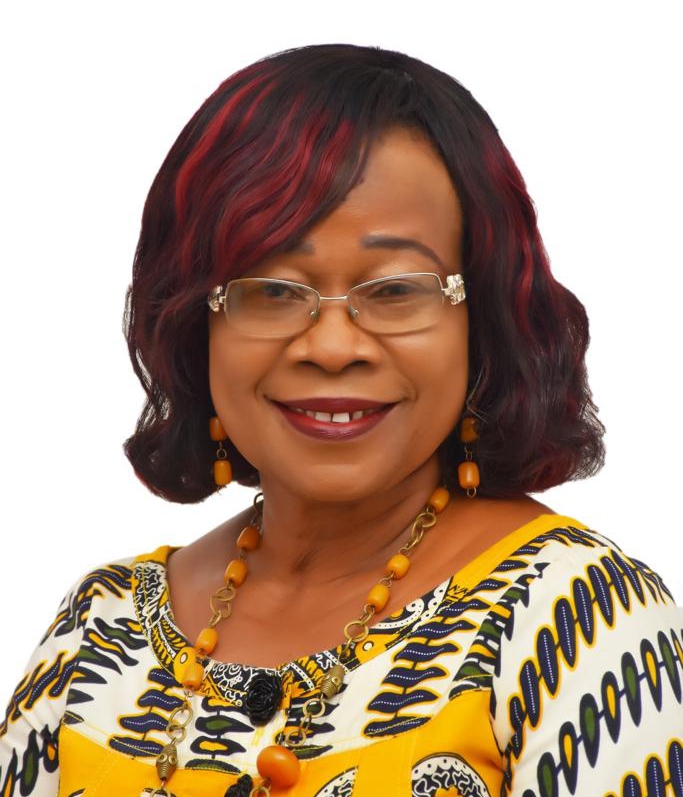
Dr Binka attributed her success to sheer persistence and a lifelong commitment to personal growth.
“My secret weapon has been determination. I made sure I seized every opportunity to add value to myself,” she added.
She commended AFLIGA for initiating a programme that emphasises ethical, compassionate, and transformative leadership, qualities she said are vital for Africa’s renewal.
“Be audacious in your ambition,” she challenged the graduates. “When you face a challenge, see it as a process to be navigated, and never lose sight of the profound prospects your leadership holds for our beloved continent.”
Dr Joseph Atta-Mensah, Chairman of AFLIGA’s Governing Council, echoed similar sentiments, stressing that increasing women’s participation in governance is not merely a question of fairness, but a strategic necessity for effective and inclusive development.
“Women bring perspectives rooted in empathy, resilience, and collaboration, qualities that strengthen our institutions and societies,” he said.
He charged the graduates to serve as torchbearers of integrity, innovation, and inclusiveness in every sphere they occupy.
Representing the graduating cohort, Eva Tandoh described the five-week experience as a transformative journey.
“It has been a deep soul-searching experience,” she noted, pledging that the graduates would be unwavering advocates for women’s representation in decision-making.
“We do not seek inclusion as a favour, but as a necessity for sustainable progress,” she said firmly.
On his part, the Executive Director of AFLIGA, Dr Emmanuel Dei-Tumi, explained that the programme was designed to tackle the leadership deficit that continues to hamper Africa’s progress.
He revealed that the institute aims to train 54,000 young African leaders by 2030, equipping them with transformative leadership tools to drive growth across the continent.
“Africa’s future depends on leaders who are ethical, visionary, and equipped to serve with empathy and integrity. This programme is a deliberate step toward cultivating that calibre of leadership,” Dr Dei-Tumi stated.
AFLIGA, based in Accra, Ghana, has been recognised for its commitment to grooming a new generation of African leaders through practical mentorship, global exposure, and policy innovation. Its mission aligns with the African Union’s Agenda 2063, which envisions “an integrated, prosperous, and peaceful Africa, driven by its own citizens.”
The graduation ceremony, held in Accra, symbolised not just the end of a leadership journey, but the beginning of a continental movement—one that calls on African women to rise, lead, and rewrite the story of leadership in Africa.
Latest Stories
-
GAEC must retain nuclear scientists for Ghana’s nuclear ambitions – Minister
31 minutes -
Man reportedly mistaken for game and shot by hunter dead in forest
33 minutes -
19-year-old mason jailed 15 years for defiling seven-year-old pupil
38 minutes -
Ghana’s banking sector assets rise 20.47% to GH¢500.2bn – BoG Governor
42 minutes -
22 injured as Sprinter bus overturns at Sege after tyre burst
43 minutes -
UN housing expert urges Ghana to strengthen Rent Control Department amid housing affordability concerns
52 minutes -
Delta-BCI partnership reaches 166,000 people with breast cancer education
1 hour -
Power restoration fault suspected in Kumasi Central Market fire
6 hours -
The 7-foot giant of Ngleshie Amanfro: Seven-foot Ghanaian Ephraim Saawa dreams of joining the national basketball team
7 hours -
Government promises support for Kumasi Central Market fire victims
7 hours -
Vibes The Movie: Big Ghun’s Ghanaian film earns five nominations at 2026 REFFA
7 hours -
‘I’m a fulfilled man’—Justice Korbieh on missing out on Supreme Court despite two nominations
8 hours -
MamaCare CEO warns unresolved conflicts among health workers could undermine maternal and neonatal care
8 hours -
Health professionals urged to translate medical knowledge into practice to save mothers
8 hours -
Retired judge Justice Francis Korbieh charges 1,568 new lawyers to uphold integrity
9 hours