

Audio By Carbonatix
At long last, the battle has ended! And thus, Ghana, your beloved country is free forever.”
— Kwame Nkrumah, Independence Speech, 6 March 1957
How true is this statement today?
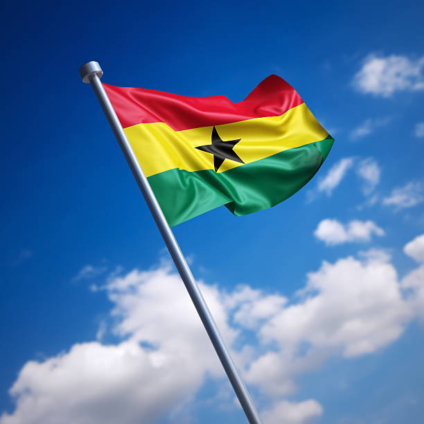
As Ghana celebrates 69 years of independence, the nation stands at a critical crossroads. The Ghana we have is a country of contrasts, one of immense promise yet weighed down by deep-seated challenges. From the legacies of colonial exploitation to the struggles of post-independence governance, the nation’s journey has been marked by both triumphs and trials.
Before independence, Ghana, then the Gold Coast, was a land of potential. Blessed with abundant natural resources, fertile lands, and a strategic location, it was a beacon of hope in West Africa. Yet, colonial rule left lasting scars.
Exploitation of resources, suppression of local industries, and policies designed to divide and control left the nation ill-prepared for self-rule. These wounds were compounded by the disruption of traditional systems of governance and commerce, leaving Ghana to inherit both wealth and vulnerability.
Independence in 1957 brought with it great expectations. Kwame Nkrumah’s vision for a modern, prosperous Ghana and a united Africa inspired millions. However, the promise of freedom soon collided with political upheaval. Nkrumah’s government was overthrown, and successive administrations faced a series of coups, economic instability, and international pressures that impeded progress. Corruption, mismanagement, and a lack of continuity created cycles of hope followed by disappointment.
Just close to almost a decade ago, the Ghana we have tells a story of resilience and struggle. The country faces economic pressures, including high public debt, inflation, and currency instability. Infrastructure in critical sectors, roads, electricity, and water supply lags behind the needs of a growing population. Many Ghanaians experience limited access to quality education, healthcare, and employment opportunities. Social inequalities persist, and the promise of independence often feels distant to those at the grassroots. Yet, amid these challenges, the Ghanaian spirit endures. Communities remain strong, cultural pride thrives, and the desire for change continues to inspire citizens across the nation.
But what about the Ghana we want? This is the nation of our collective dreams, a Ghana that fulfills the promise of independence. A Ghana where prosperity is shared equitably, where opportunities are abundant, and where governance is transparent and accountable. A Ghana where young people are empowered, entrepreneurship flourishes, and education equips citizens for the demands of the modern world. A Ghana where infrastructure meets the needs of its people, healthcare is accessible, and environmental sustainability guides policy.
The vision for this Ghana is not mere idealism but it is achievable through deliberate policies and committed leadership. His Excellency, John Dramani Mahama, the President of Ghana, has outlined a roadmap toward this vision. His 24-Hour Economy initiative seeks to energize production, increase exports, and generate employment opportunities across sectors. His focus on agriculture, energy, and infrastructure reflects an understanding of the areas where the nation can create sustainable growth and resilience.
Equally important is Mahama’s leadership philosophy, which emphasizes inclusivity, transparency, and accountability. By prioritizing good governance, empowering citizens, and nurturing institutions, the foundation is laid for a Ghana where the people truly come first. It is a Ghana where leaders are held responsible, and where public resources serve national development rather than narrow interests.
Achieving the Ghana we want requires more than policies, it demands collective effort. Citizens, civil society, the private sector, and government must work together, putting aside partisan differences to focus on the nation’s long-term future. It requires courage to confront corruption, innovation to modernize key sectors, and commitment to equitable social development.
As the country charts its course, the choices made today will define tomorrow. Will Ghana continue along a path marked by mediocrity and inefficiency, or will it embrace its full potential and strive for excellence? The Ghana we desire is within reach, but it depends on the unity, vision, and determination of its people.
Ultimately, the story of Ghana is not about one individual or political party, it is about the nation itself. The Ghana we want is one that is prosperous, secure, and proud. A Ghana that lives up to its hard-won independence, where citizens can thrive, and future generations inherit a country they can celebrate. As we reflect on 69 years of independence, it is clear that the journey is far from over but with shared commitment, the Ghana we want can become the Ghana we have.
Ghana is free forever, and it is time to make freedom meaningful for every citizen.
Latest Stories
-
Knights and Ladies of Marshall group backs Catholic Bishops’ stance on anti-LGBTQ+
21 minutes -
Bright Simons writes: All the Filla in the Ibrahim Mahama/E&P – Gold Fields Saga
46 minutes -
Monetise Idiocy In Ghana
53 minutes -
The Ghanaian prophet and the mysterious death of his scottish wife Charmain Speirs
2 hours -
Nearly 400 sentenced in Nigeria for links to militant Islamists
2 hours -
Ghana’s recovery supported by gold strength despite global oil price pressures – Standard Bank Research
2 hours -
Methodist Church hails Mfantsipim@150; calls for “fresh consecration” to excellence
2 hours -
‘Excellence is our inheritance’ – Nana Sam Brew-Butler hails Mfantsipim’s 150-year reign in leadership
3 hours -
Kwaku Azar writes: A-G vs OSP
3 hours -
Mfantsipim–Adisadel rivalry built excellence, not division – Sam Jonah
3 hours -
Vice President launches Mfantsipim’s 150 years of shaping Ghana’s greatest mind
3 hours -
I assure Otumfuo, Mahama will join him to commission KNUST Teaching Hospital by end of this year – Haruna Iddrisu
4 hours -
Barcelona dominate derby to extend La Liga lead
4 hours -
Gov’t to roll out free special education for persons with disabilities from July 1 – Education Minister
4 hours -
Importers and Exporters Association declares full support for Publican AI port system
5 hours