

Audio By Carbonatix
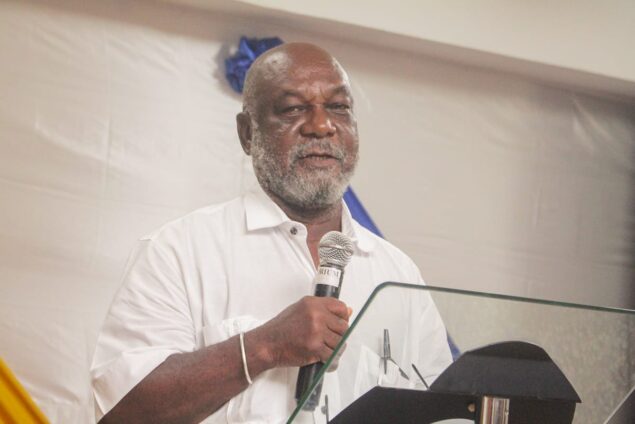
Veteran media scholar and former Executive Director of the Media Foundation for West Africa (MFWA), Professor Kwame Karikari, has warned that ethical lapses and growing commercial pressures are undermining journalism practice in Ghana.
He made the remarks in a keynote address at a public lecture and stakeholder dialogue organised by the University of Media, Arts and Communication (UniMAC) at its South Legon Campus Auditorium on May 4, 2026.
The event, led by the School of Journalism and Media Studies (SOJAMS), was held under the theme: “Shaping a Future at Peace: Safeguarding Journalism in Ghana.”
Prof Karikari, who has also trained journalists across several African countries, said Ghana’s media landscape is increasingly being shaped by what he described as “stomach journalism,” where financial interest is taking precedence over truth and public accountability.
He cautioned that this trend is weakening the core values of the profession and eroding public trust in the media.
The veteran journalist also raised concerns about coordinated media publications that appear to serve private interests, warning that such practices compromise editorial independence and expose journalism to undue corporate influence.
He further criticised the growing phenomenon of trial by media, where individuals are declared guilty in the public space before legal processes are concluded, saying it undermines fairness, damages reputations, and weakens confidence in journalism.
Prof Karikari noted that journalists continue to face pressure not only from political and corporate actors but also from traditional authorities in some communities, where intimidation and restrictions are used to limit press freedom.
On broadcast journalism, he observed that while the use of local languages has improved access to information, weaknesses in language proficiency among some broadcasters can lead to inaccuracies and ethical lapses in reporting.
He also highlighted gaps in media regulation, arguing that weak enforcement has allowed sensationalism and unethical practices to persist with little consequence.
Prof Karikari called for urgent reforms, including the passage of the long-delayed Broadcasting Bill, stronger self-regulation within media organisations, improved professional training, and enhanced media literacy to help audiences distinguish credible journalism from misinformation.
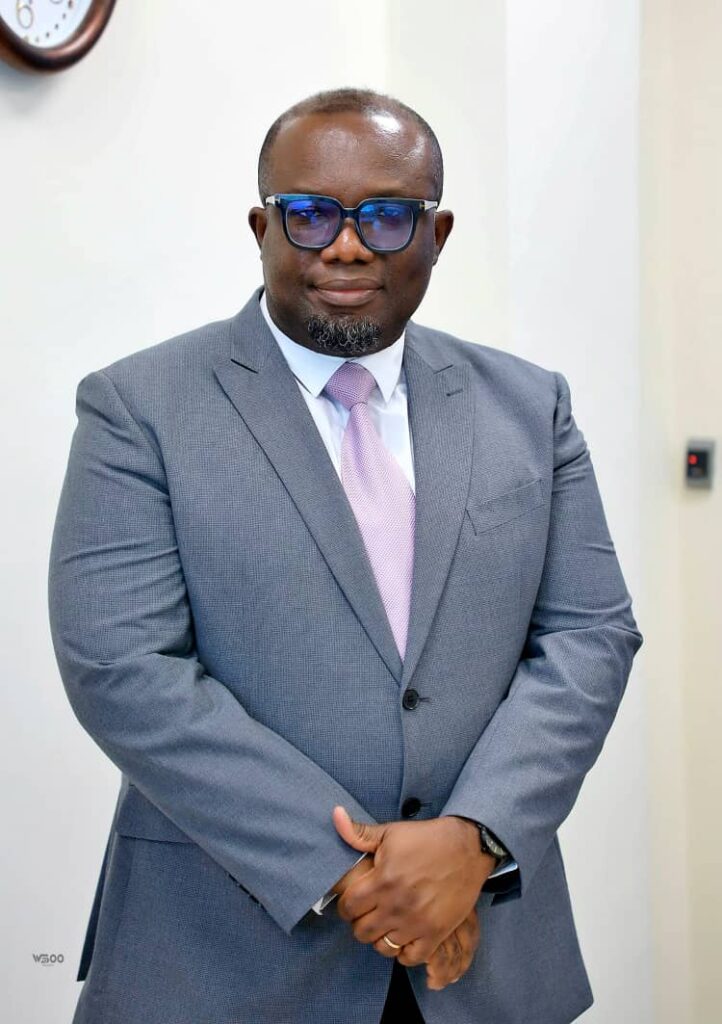
Speaking on behalf of the Pro-Vice Chancellor, Acting Registrar Dr Obaapanin Oforiwa Adu acknowledged the media’s longstanding role in exposing wrongdoing and amplifying public concerns.
However, she noted that the profession is increasingly challenged by misinformation, economic pressures, threats to journalists’ safety, and attempts to suppress press freedom.
She stressed the need for stronger collaboration between academia, policymakers, and media practitioners to promote ethical standards and ensure a safer, more responsible media environment.
The dialogue ended with a renewed call for responsibility in journalism, with stakeholders emphasising that while press freedom remains central to democracy, it must be matched with ethics, professionalism, and accountability to serve the public good effectively.
Latest Stories
-
Stacy Mense’s ‘W’ahyira Me’ gains airplay on radio, digital platforms
6 minutes -
Economic activities mixed in 7 months of 2026; Cement sales decline by 10%
8 minutes -
GFA and Sports Ministry must not rush Black Stars head coach appointment – Nana Fitz
15 minutes -
Nkrumah Showboy: Chief Moomen’s play to explore Ghana’s first President’s early years
24 minutes -
SEC to develop Social Bond Guidelines; over half of listed firms report on ESG indicators
37 minutes -
Insurance firms have up till January 2027 to incorporate ESG in financial reporting
43 minutes -
High Court throws out Afenyo-Markin’s GH¢15m defamation suit against Sammy Gyamfi
54 minutes -
Rollover cost of T-bills reduced substantially, one-year bill yield drops 19% since December 2024
54 minutes -
Daily Insight for CEOs: Preparing for 2027 Board and Executive Conversations
1 hour -
World Cup Visa Scandal: There is no ‘justification’ to dismiss me – Kofi Adams
1 hour -
2028 Olympic Games qualification ‘really tough’ – Black Queens coach Björkegren
2 hours -
GRFU, GOC Women’s Commission hold breast cancer awareness, expresses gratitude to Sunda International Ghana
2 hours -
COCOBOD raises GH¢3.4bn as Cocoa Capital PLC lists inaugural commercial paper on GFIM
2 hours -
No Party Card, just a Party Microphone! A Ghanaian story of Elections, Referees and Convenient Amnesia
2 hours -
Minority welcomes suspension of teachers’ strike, demands timely payment of promotion arrears
2 hours