

Audio By Carbonatix
The Headmaster of Sunnyside Schools, Osman Abdul Razak, has called for renewed efforts to promote African cultural identity among young people, stressing the vital role educational institutions play in preserving the continent’s rich heritage and preparing responsible future citizens.
He made the remarks during a speech delivered at the school's African Union Day celebration on Monday, May 27, 2026.
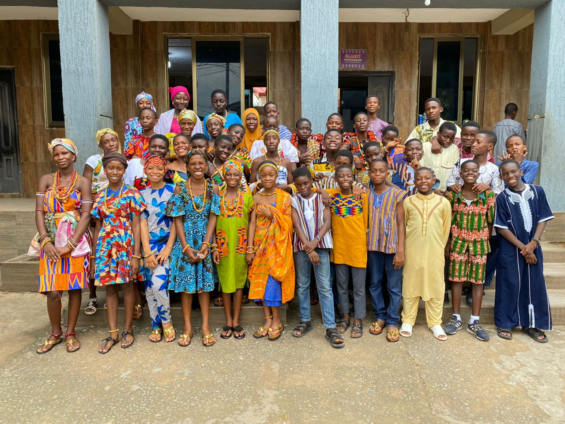
The event brought together students, teachers, and members of management in a colourful showcase of African culture, aimed at fostering a deeper appreciation of the continent’s diversity and shared values among learners.
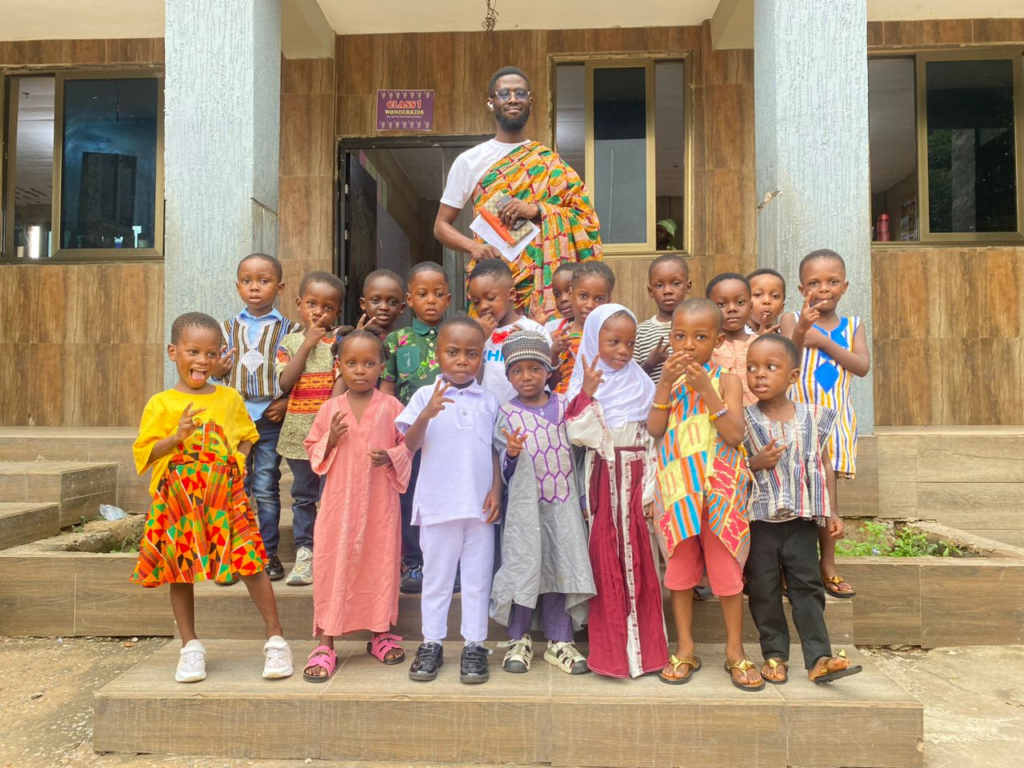
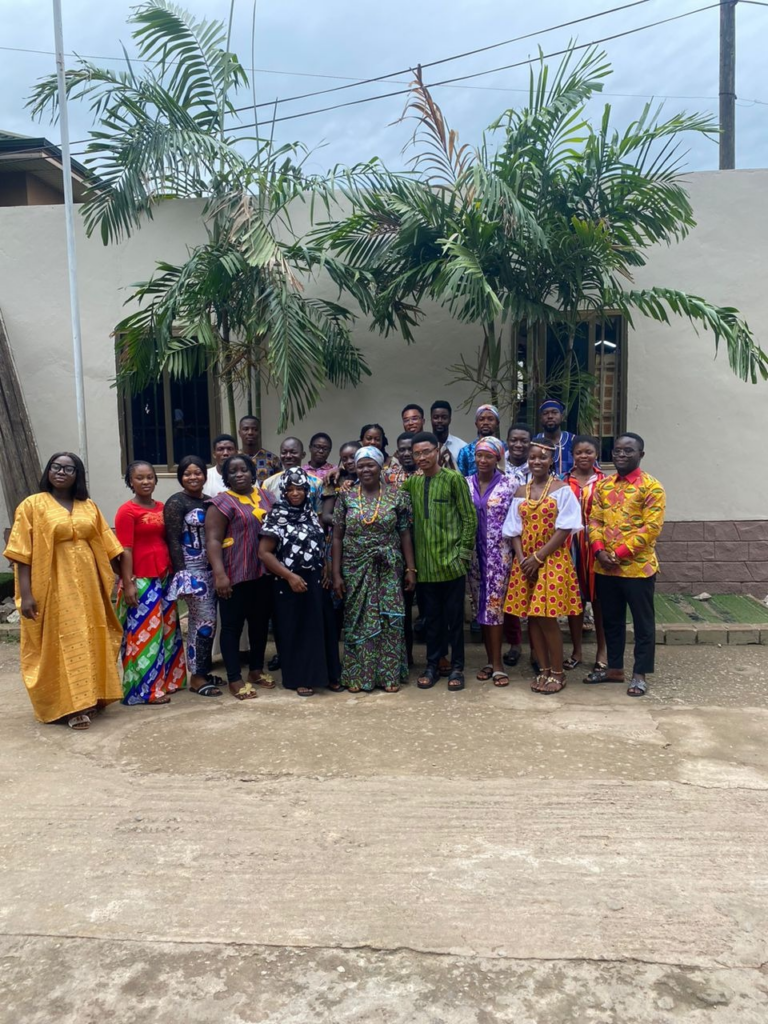
The celebration transformed the school premises into a vibrant display of African heritage, with students, teachers, and management proudly adorned in a variety of traditional African attire representing different countries and ethnic groups from across the continent.
The colourful spectacle reflected the richness of Africa’s cultural landscape and underscored the significance of unity amidst diversity.
Addressing the gathering, Mr Razak explained that the programme was designed to expose students to the customs, traditions, and lifestyles of African countries, while helping them develop a stronger sense of identity and belonging.
“This programme is meant to expose our students to the various African countries, their clothing, foods, culture, traditions, and way of life,” he stated.
According to the Headmaster, the initiative forms part of the school's broader educational philosophy, which seeks to produce learners who are not only academically accomplished but also culturally conscious and proud of their African heritage.
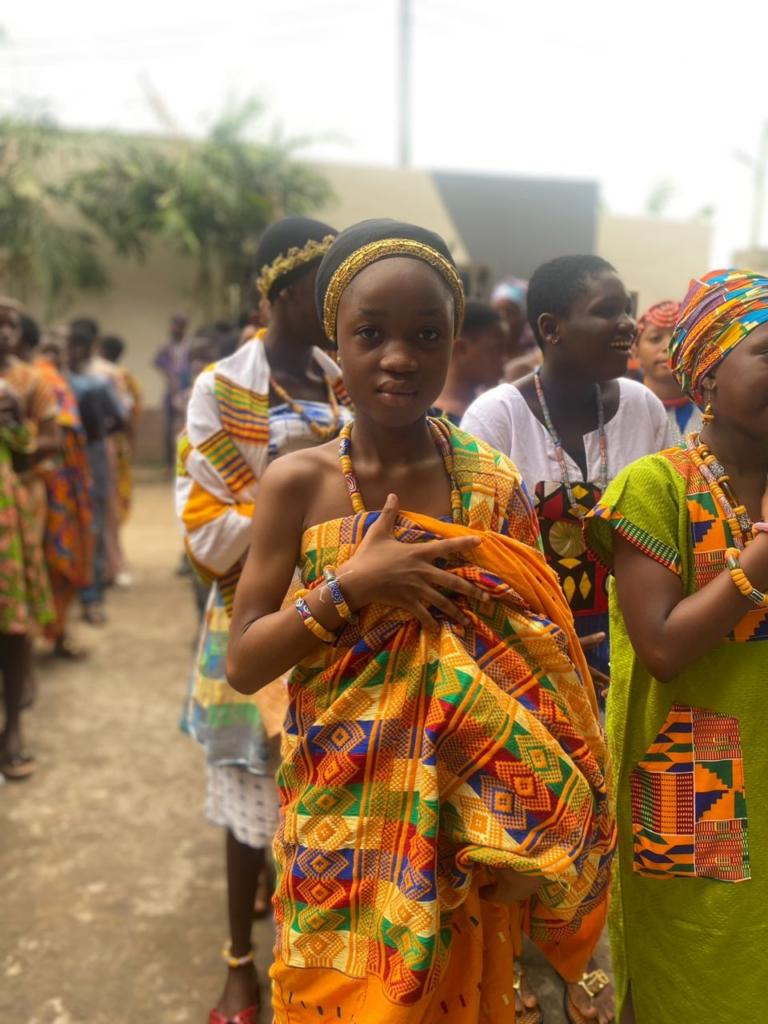
“We want our students to grow up knowing who they are and appreciating the richness of African culture. It is important that they understand their roots and take pride in their identity as Africans,” he added.
Mr Razak noted that the increasing influence of globalisation and digital media has exposed many young people to foreign cultures, making it more important than ever for schools to intentionally preserve and promote African values and traditions.
He emphasised that cultural education remains a critical tool for nurturing responsible citizens capable of embracing diversity and contributing to peaceful and inclusive societies.
“When students are taught about different cultures, they learn tolerance, respect, and understanding. These values are very important in building peaceful communities,” he explained.
Beyond its symbolic significance, the African Union Day celebration also served as an educational platform.
Through presentations, discussions, and interactive activities, students were introduced to the histories, languages, customs, foods, and cultural practices of various African nations.
Teachers used the occasion to educate learners on the unique characteristics that define different African societies, while highlighting the common values that unite people across the continent.
The sessions encouraged students to appreciate cultural differences and recognise diversity as a source of strength rather than division.
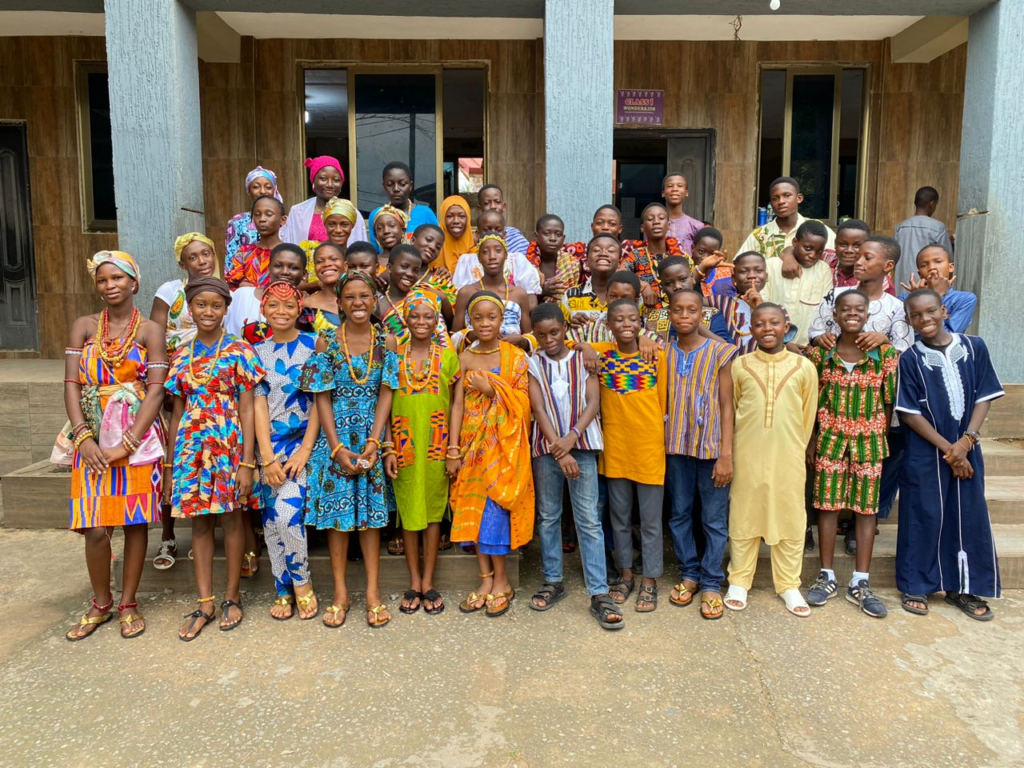
One of the most striking features of the event was the impressive display of traditional African attire worn by students, teachers, and members of management.
The Headmaster described the cultural showcase as both a celebration of identity and a practical learning experience for students.
“The different African outfits we see today represent the identity and heritage of various communities. It helps students to experience culture in a practical way, not just in the classroom,” he said.
Mr Razak further explained that traditional clothing remains an important expression of identity throughout Africa, often reflecting a people's history, values, beliefs, and social traditions. He noted that exposing learners to such cultural expressions helps strengthen their sense of belonging and pride in their heritage.
The celebration also highlighted the significance of African cuisine as an important aspect of cultural identity. Students were introduced to a variety of foods from different parts of the continent and learned about their cultural relevance.
Teachers explained how food often plays a central role in celebrations, family life, and community gatherings, serving as a powerful link between generations.
The Headmaster reiterated that one of the key aims of the programme was to promote unity among African peoples and encourage learners to appreciate the continent's diversity.
“Africa is rich because of its diversity. We want our students to understand that despite our differences in language, culture, and background, we are one people with a shared destiny,” he said.
He urged students to become ambassadors of African culture by embracing positive values such as respect, discipline, tolerance, hard work, and integrity in their daily lives.
“Our goal is to raise young people who are confident in their identity, proud of their heritage, and ready to contribute positively to society,” he stated.
Mr Razak also linked the celebration to the broader vision of the African Union, noting that continental initiatives seek to build a peaceful, integrated, and prosperous Africa driven by its own people. He stressed that educating young people about Africa’s history and aspirations is essential to achieving that vision.
“When learners understand Africa’s history, culture, and vision for the future, they become better prepared to take up leadership roles and contribute to national and continental development,” he added.
He reaffirmed Sunnyside Schools’ commitment to providing holistic education that extends beyond academic achievement to include cultural awareness, character formation, and moral development.
Latest Stories
-
Dad’s Army/African Polistas crowned champions of 2026 Accra Polo Club Trustees’ Cup
4 minutes -
Mahama approves Integrated Basic Education Model, with funding expected in 2027 under GETFund formula
6 minutes -
Money-driven elections fuelling corruption – Haruna Iddrisu
11 minutes -
Excessive borrowing ‘cracked’ Ghana’s economy under Akufo-Addo – Haruna Iddrisu
20 minutes -
NPP’s silence on economic indicators suggests Mahama is doing better – Haruna Iddrisu
33 minutes -
GoldBod must be more accountable to Ghanaians – Haruna Iddrisu
48 minutes -
Affi Agbenyo’s EC appointment is constitutionally appropriate, but politically, people have the right to remind us – Haruna Iddrisu
59 minutes -
Accra Mall brings Soulful Weekend Vibes to October with Live R&B and Jazz
1 hour -
Education is critical to Ghana’s future and development – Haruna Iddrisu
1 hour -
Who’s Emelia Affi Agbenyo, the 43-year-old newly sworn-in Deputy EC Chair?
2 hours -
Haruna Iddrisu calls for limits on annual university accommodation fee increases
2 hours -
Today’s front pages: Tuesday, October 13, 2026
3 hours -
Wealth Over Water: How Galamsey Is Threatening Ghana’s Water Security
4 hours -
LA 2028: Black Queens pumped up for second leg of Mauritius tie
4 hours -
LA 2028: Black Queens hold final training session ahead of second leg against Mauritius
5 hours