

Audio By Carbonatix
In the fight against climate change, Africa's youth are stepping up as leaders in governmental and non-governmental initiatives aimed at creating a cleaner, greener environment.
However, despite their enthusiasm and commitment, significant obstacles hinder the continent's transition to a sustainable future.
One critical challenge is the poor allocation of resources to the organizations where African youth are actively engaged. Although they play pivotal roles in supporting climate initiatives, the youth often find themselves performing labor-intensive tasks while others reap the benefits.
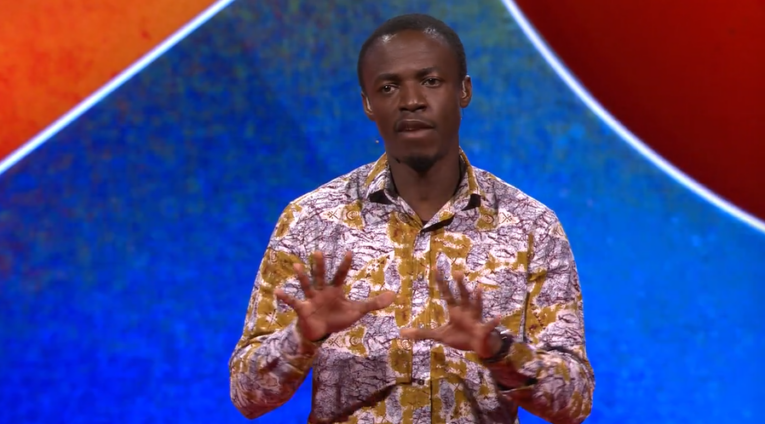
At a recent TEDTalk, the Strategy Director for the Youth Climate Justice Fund, Joshua Amponsem, highlighted the systemic inequalities in resource allocation. He emphasized the need to empower the youth of the global south as leaders in the green transition, calling for a mindset shift to prioritise and support their leadership.
Data from the Youth Climate Justice Fund underscores this disparity. Approximately 80% of grant applications to support youth climate initiatives come from Africa, far outpacing those from regions like North Africa and Europe. Yet, these applications often focus on short-term solutions like tree planting or waste collection to generate income, rather than long-term investments in skill development or supporting existing climate strategies.
Amponsem attributed these challenges to lingering colonial dependencies. “The global north industries are deploying solutions in the global south while expecting people of the global south to be grateful. This does not change our lives and even leaves our capacity suppressed,” he remarked, criticizing the system that positions African youth as low-wage laborers in the green transition.
Africa’s population is overwhelmingly young, with 70% under the age of 30. This demographic offers immense potential, yet it remains underutilized. Amponsem outlined three key strategies to unlock this potential:
1. Building Talent Pipelines: Academic institutions in Africa must focus on nurturing local talent and conducting climate research. Most climate research is authored in global north institutions, limiting local relevance.
2. Securing Financing: Universities need to take climate research funding seriously and ensure that resources are directed towards local initiatives. Currently, less than 1% of climate philanthropy reaches young people, with risk-averse investors hesitant to support local communities.
3. Involving Youth in Policymaking: Including young people in policy discussions can create job opportunities and secure their leadership roles in the green transition.
To address these challenges, the Youth Climate Justice Fund has committed $2.1 million to support 90 youth-led groups in 40 historically underfunded countries. This investment aims to empower local communities and ensure that African youth transition from being laborers to innovators and decision-makers.
Mr Amponsem reinforced this vision, saying, “We have the workforce, we have the talent, we have the knowledge, and we know what is at stake. If we do not engage our young people, we have failed.” He envisions a future where African youth are forest data analysts, engineers, and innovators rather than mere workers in the field.
The green transition will only succeed if young people and local institutions are trusted with resources and leadership opportunities. By addressing systemic inequalities and investing in youth, Africa can lead the way in building a sustainable future while overcoming the challenges of today.
This moment calls for action to break down barriers, refocus priorities, and empower the next generation of leaders in the fight against climate change.
Latest Stories
-
Mobile Money Fintech LTD, UMB train hairdressers and beauticians
1 hour -
Asylum votes show people want help, says Kemi Badenoch
2 hours -
Badenoch welcomes expanded grooming gangs inquiry
2 hours -
GACL MD sues Samuel Buabeng over alleged Facebook defamation
2 hours -
Christa Pike in critical condition after surviving two lethal injections, lawyer says
2 hours -
Kemi Badenoch backs face covering ban at protest
3 hours -
Man City not ‘above the rules’, says No 10 after backlash to Burnham remarks
3 hours -
Real Madrid submit ‘substantial’ dossier in Barca payments case
3 hours -
Messi completes purchase of second Spanish club
3 hours -
Government must engage horticulturists on tomato crisis – GhIH
3 hours -
King Promise’s ‘Can’t Tame Us’ becomes official Chelsea anthem
3 hours -
Afenyo-Markin demands Baffour Awuah’s release from EOCO’s custody, end to alleged political intimidation
3 hours -
Rapper Rick Ross arrested on domestic violence charges
3 hours -
Minority demands security review of Ghana-Colombia visa waiver and port deals
4 hours -
Pursue drug kingpins, not persecute political opponents – Afenyo-Markin tells EOCO
4 hours