

Audio By Carbonatix
MTN Ghana has reaffirmed its commitment to building a resilient and inclusive digital economy by convening a refreshed edition of its Digital Music Conference at MTN House in Accra.
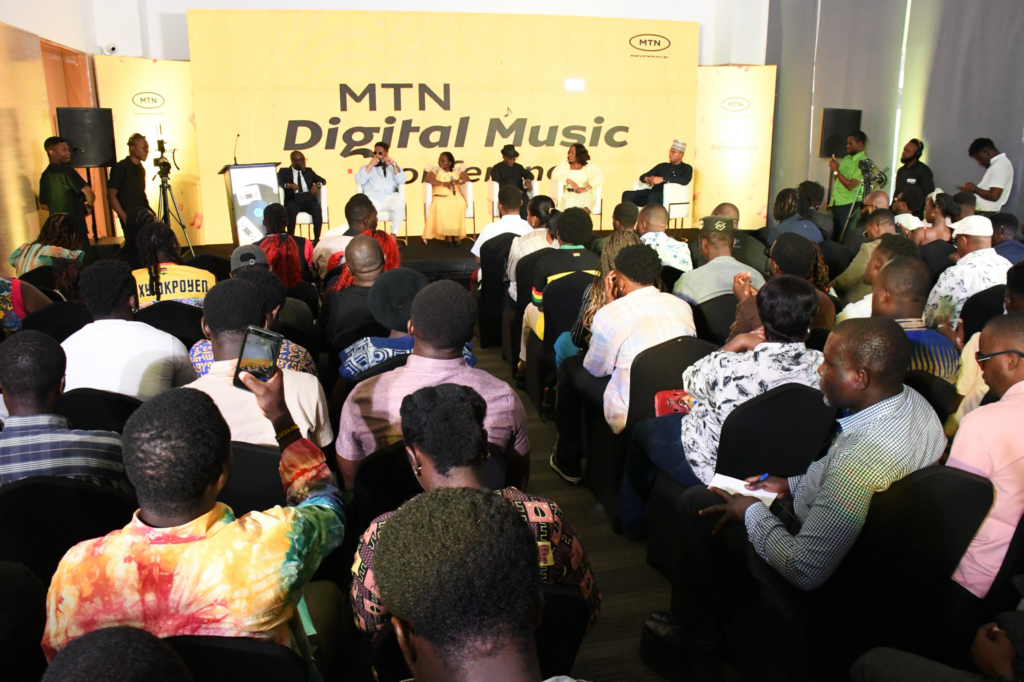
The event brought together over 100 stakeholders from across Ghana’s music and creative ecosystem.
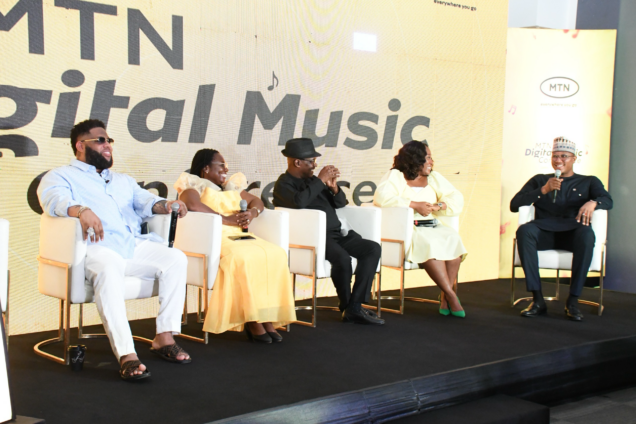
The high‑level forum brought together artists, music executives, publishers, rights administrators and digital platform managers to collectively examine how Ghana’s rapidly growing digital music landscape can be better structured to translate creativity, reach and cultural relevance into sustainable livelihoods.
More than a knowledge‑sharing platform, the conference underscored MTN Ghana’s strategic role as an ecosystem convenor and enabler, using its digital infrastructure, platforms and partnerships to help address structural gaps in monetisation, rights management and value distribution within the music industry.
Opening the conference, Bless Sefenu Agordjo, Senior Manager for Digital Services and Verticals at MTN Ghana, highlighted the urgency of moving beyond visibility as the primary measure of success in the digital era.
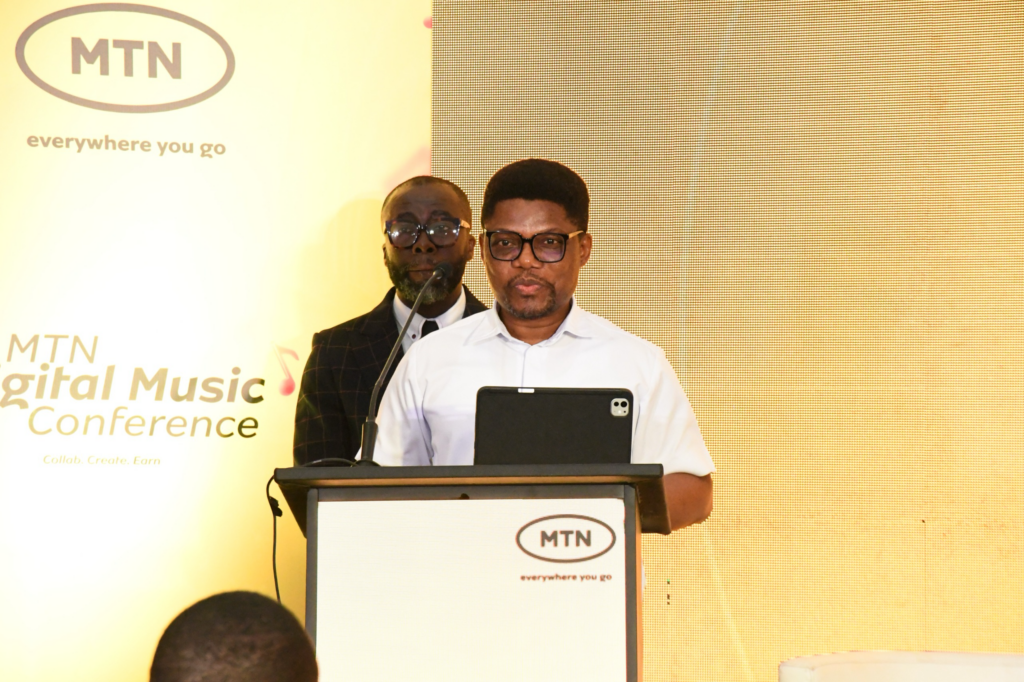
He observed that while digital streaming has expanded exposure for Ghanaian artists, meaningful income from streaming alone often requires consumption volumes that remain out of reach for many emerging and mid‑tier artists.
This reality, he explained, makes it critical to build complementary monetisation pathways that are accessible, predictable, and sustainable, such as caller ring-back tones (CRBT).
“At MTN, we do not see artists merely as content suppliers; we see them as partners. Our goal is to grow Ghanaian music and artists on our digital platforms while helping artists to deepen fan connections, monetise engagement and build viable long-term careers”.
Within this broader framework, he referenced Caller Ring Back Tone (CRBT) as one of several monetisation tools in MTN’s evolving digital music ecosystem, alongside platforms such as MTN Radio, PlayUP, and Boomplay, designed to support recurring income.

Importantly, he noted that MTN intends to strengthen this ecosystem through deeper collaboration with industry institutions, including the Musicians Union of Ghana (MUSIGA), Ghana Music Rights Organisation (GAMRO), and producers, managers, and rights holders, with a shared focus on enhancing fairness, transparency, and trust across the value chain.
In his contribution, Ghanaian music executive and founder of Black Avenue Music, D‑Black, described CRBT as “a very overlooked revenue stream” and encouraged artists to fully integrate it into their monetisation strategies.
Founder of GH Music Publishing, Diana Hopeson, acknowledged MTN’s role in enabling music distribution through CRBT and pointed to future opportunities for innovation that would allow artists to sell music directly through digital platforms.
She stressed the importance of stronger copyright administration and improved royalty structures to ensure artists capture fair value from digital consumption.
“It’s time MTN is not only seen as a communications company. I’m looking forward to a future where we can enable direct digital music sales, where listeners can buy songs with a click, not just ringtones.
“Using the platform to highlight collective responsibility, MUSIGA President, Bessa Simons, called for stronger unity and formal participation within industry institutions, emphasising that organised representation remains essential for improving musicians’ welfare and negotiating equitable outcomes.
Adding a data‑driven perspective, media and entertainment executive Baba Sadiq noted that the greatest long-term value of digital platforms lies not only in reach but in the insights they generate on audience behaviour, geography, and engagement.
“Today, music is not just about expression. It’s about understanding your audience, aligning with trends, and using data to guide your decisions. It works the same way as marketing,” he said.
The conference concluded with a shared recognition that unlocking the full potential of Ghana’s digital economy will require continued collaboration between telecom operators and industry bodies aligned around sustainable monetisation and equitable value distribution.
Through platforms such as the Digital Music Conference, MTN Ghana continues to demonstrate its commitment to national development by leveraging digital innovation and partnerships to empower creatives, support youth livelihoods, and contribute to the growth of Ghana’s cultural and creative economy.
Latest Stories
-
When dialogue fails and strikes speak: Is industrial action the only language government understands?
52 seconds -
Ghana launches Social Protection Act regulations and Affirmative Action Gender Equity Regulations
2 minutes -
Mahama swears in Emelia Afi Agbenyo, Joseph Kwaku Asamoah as EC Deputy Commissioners
12 minutes -
Wetland communities in Northern Ghana face a hotter, flood-prone future as climate risks intensif
14 minutes -
Sam George tasks KNUST to develop Twi AI model as Ghana plans local-language artificial intelligence
17 minutes -
Poor roads choking eco-tourism potential – Avatime Paramount Chief cries out
22 minutes -
DVLA records GH¢25 million surplus in 2025 as contributions to state funds reach GH¢98.1 million
27 minutes -
Over 10 suspected scam centre kingpins arrested and remanded – CSA
31 minutes -
Ministers, CEOs, policymakers to grace 7th Africa Public Sector Conference in Accra
33 minutes -
NDC sets filing fees for national executive elections, with chairman aspirants paying GH¢100,000
35 minutes -
Muntaka urges Ghanaian cannabis growers to form cooperatives under licensed cultivation framework
44 minutes -
84 suspected drug offenders in custody as NACOC freezes nearly 73 assets – Muntaka
54 minutes -
Immediate reconciliation key to building united NPP — COKA
57 minutes -
MPs, CSOs push for dedicated budget line for malaria
58 minutes -
Jeffrey Nortey’s viral Kanayo O. Kanayo bar gets the legend’s attention, leads to a meet-up
59 minutes