

Audio By Carbonatix
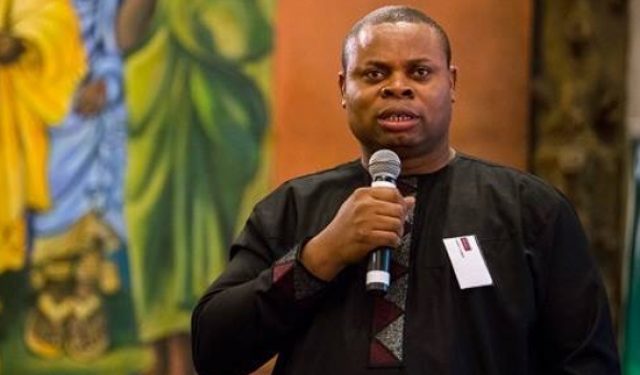
President of IMANI Africa, Franklin Cudjoe, says many Ghanaians are financially stressed due to the unemployment crisis in the country.
According to him, even Ghanaians who have jobs are struggling to make ends meet.
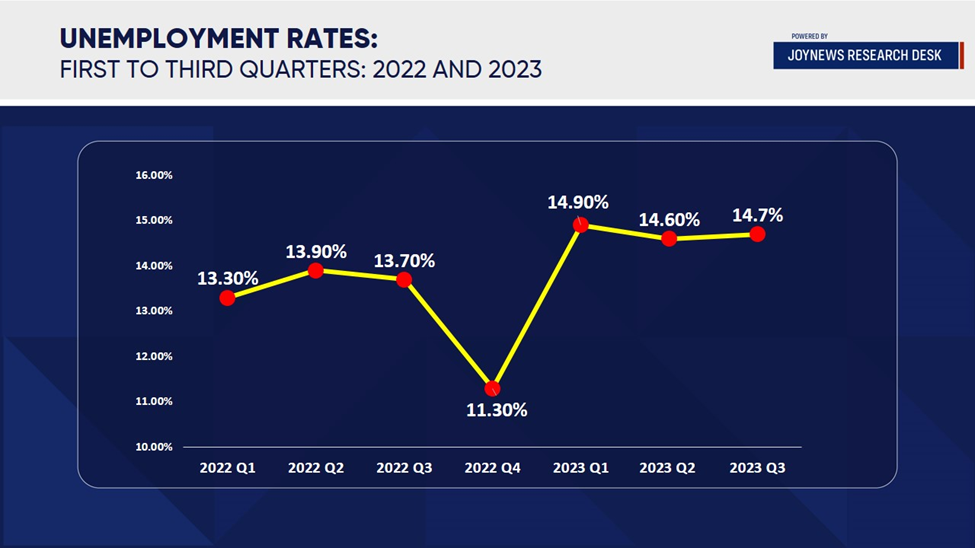
The latest Ghana Statistical Service (GSS) labour statistics report for the 2023 third quarter revealed that more than 1.8 million Ghanaians are unemployed.
This number indicated a 14.7% unemployment rate in the third quarter of the year, the report stated.
Speaking on The Probe with Benjamin Akakpo, Mr. Cudjoe described the situation as disastrous.
"There was a study I think somewhere close to last year, that suggested that two-thirds of Ghanaians are financially stressed. Which means that even for those of us, those people who are supposedly employed, they do not see the end of the month with their earnings," the IMANI boss explained.
He sees the predicament as one that poses a security threat and needs to be addressed immediately.
"That's a recipe for disaster. I mean it's like a ticking time bomb. We are sitting, but it's one of the most serious national security issues I suspect, as we speak right now, so those numbers are stark. And it appears the numbers are increasing, and the solutions are not necessarily that coherent right now from the political parties."
This staggering figure revealed by the GSS represents an increment of about 74,734 more persons entering the unemployed pool from the second quarter.
Details of the report showed an expansion in the labour force which saw about 440,000 more persons joining the market between 2023 Q1 and 2023 Q3.
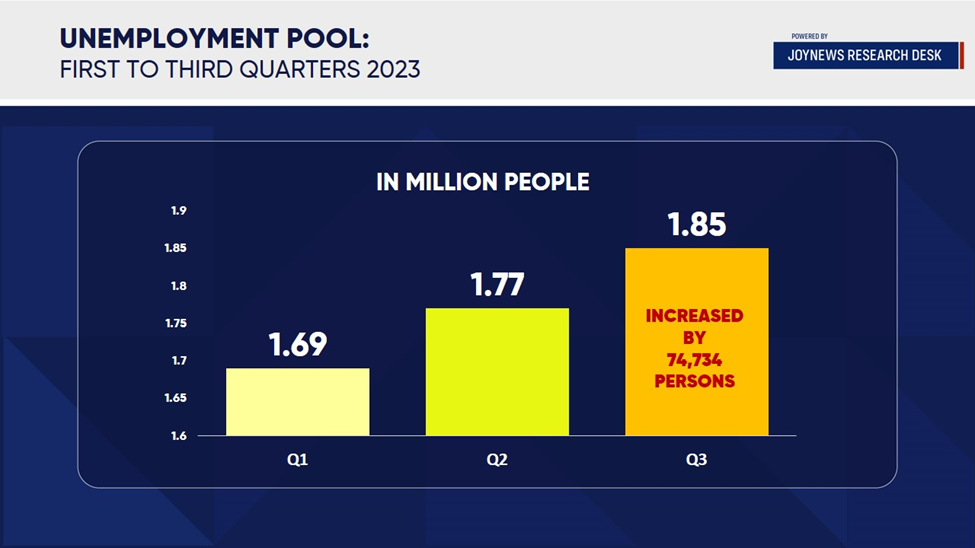
However, more than 60% of these new entrants were employed during the period leaving the rest in the unemployed bracket. This accounts partly for the increment in the number of unemployed persons in the quarter.
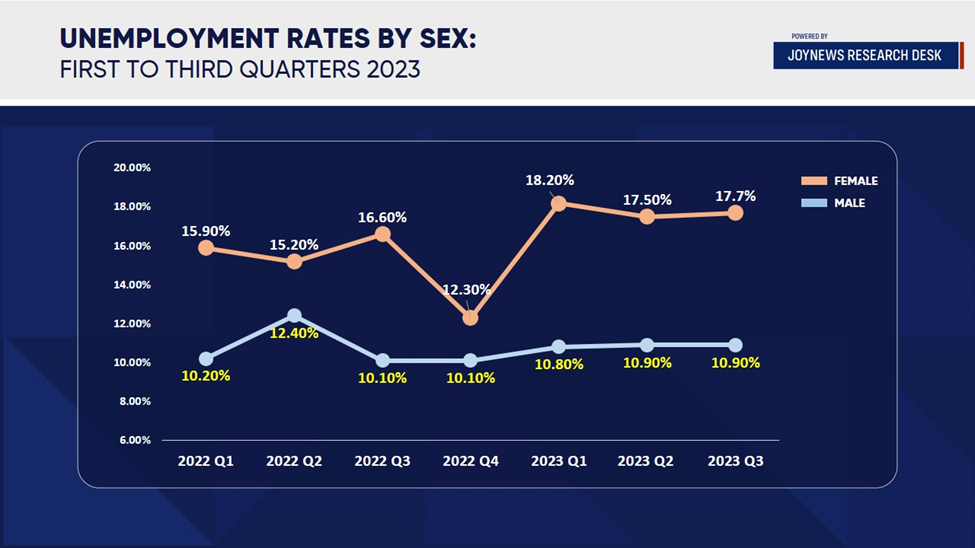
By sex, the report indicated a widening gap between males and females with women having an unemployment rate almost twice that of men.
This indicates the growing need for female empowerment in order to achieve SDG goal five which translates into achieving gender equality and empowering all women and girls by 2030.
Meanwhile, it is interesting to note that females have been consistently more than males in terms of employed persons with differences averaging about 600,000 and 900,000 for 2022 and 2023 respectively.
This is reflective of the fact that there are more females in the labour force as compared to males.
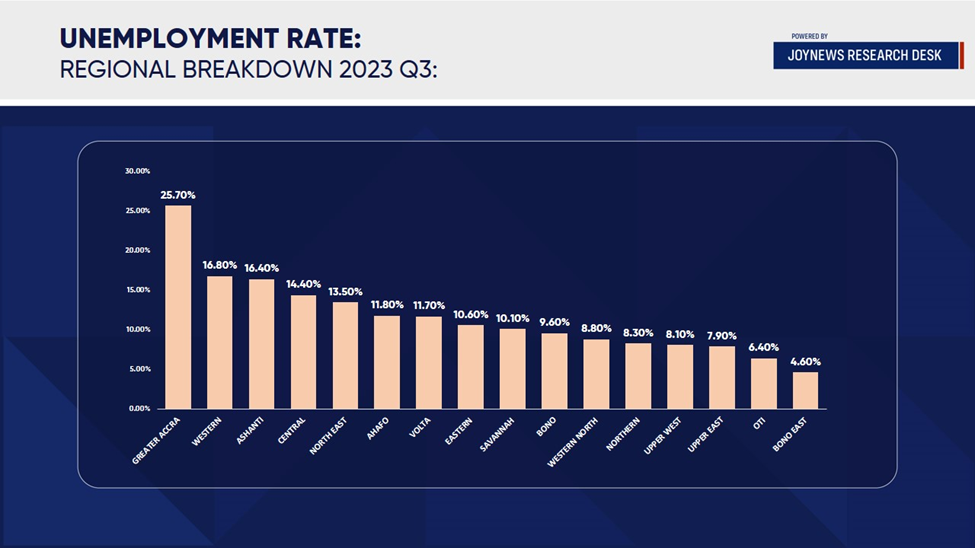
The regional breakdown of the unemployment rates shows high rates in the Southern and Western parts of Ghana. The Greater Accra led with 25.7% followed by the Western and Ashanti Regions with 16.80% and 16.4% respectively.
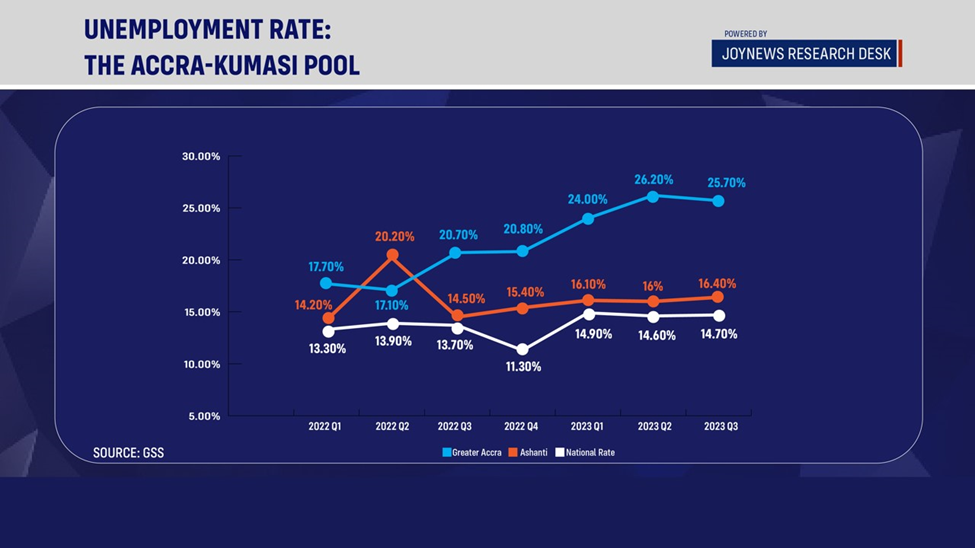
The Greater Accra and Ashanti regions were the only regions with consistent unemployment rates above the national rate in the past seven quarters.
Latest Stories
-
Moody’s maintains Ghana’s rating at Caa1, revises outlook to positive
33 minutes -
Zambia elevates tourism education to national priority as President Hichilema backs continental summit
1 hour -
Activa promotes credit insurance to boost SME export growth
1 hour -
ILTM Africa 2026 opens doors to inbound and outbound luxury travel in Cape Town
1 hour -
“BP Soul Travel and Tours scored the highest marks” – Sports Minister Kofi Adams endorses agency for World Cup travel
2 hours -
‘At the age of 12, I was teaching people and collecting money from them’ – Forty Under 40 Awards
3 hours -
I broke my virginity at the age of 26 after university – Richard Abbey Jnr.
4 hours -
Sacked for fees, saved by faith: The untold story of Forty Under 40 Awards founder Richard Abbey Jnr
4 hours -
GCB Bank surges GH¢0.45, ETI gains GH¢0.06 as GSE ends week higher
5 hours -
Two teens jailed 55 years for robbery
5 hours -
UDS demands apology for MPhil student wrongly branded as Tamale robber
6 hours -
“We don’t sell fish!” – Tema Shipyard CEO hits back over dead fish discovery
7 hours -
Sam George defends anti-LGBTQ+ Bill as ‘national priority’ amid debate over gov’t focus
7 hours -
Artemis II astronauts safely back on Earth after trip around moon
7 hours -
Sam George unveils massive 1,150-cell site rollout to end network woes
8 hours