

Audio By Carbonatix
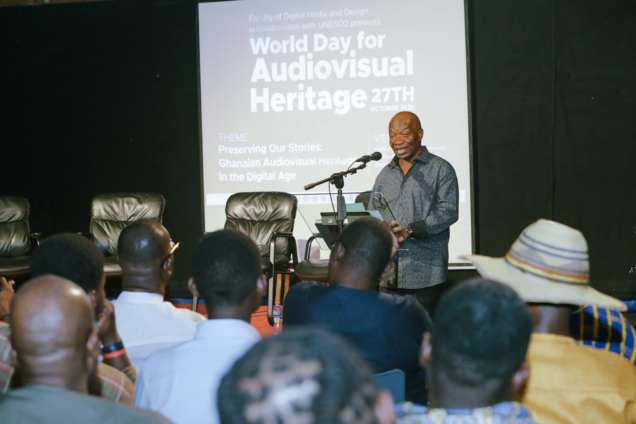
A strong appeal to safeguard Ghana’s cinematic and cultural memory echoed through the University of Media, Arts and Communication – Institute of Film and Television (UniMAC-IFT) on 27 October as the Faculty of Digital Media and Design partnered with UNESCO and the Ghana Academy of Film and Television Arts (GAFTA) to mark the World Day for Audiovisual Heritage.
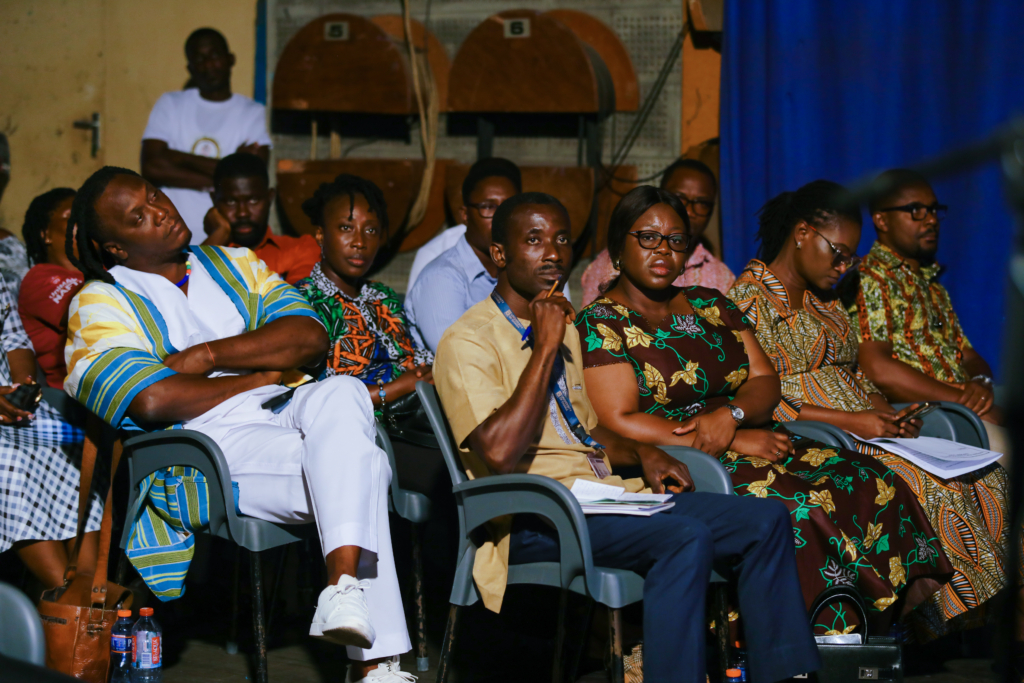
The event, held at the institute’s television studio at Cantonments in Accra, was themed “Preserving Our Stories: Ghanaian Audiovisual Heritage in the Digital Age.”
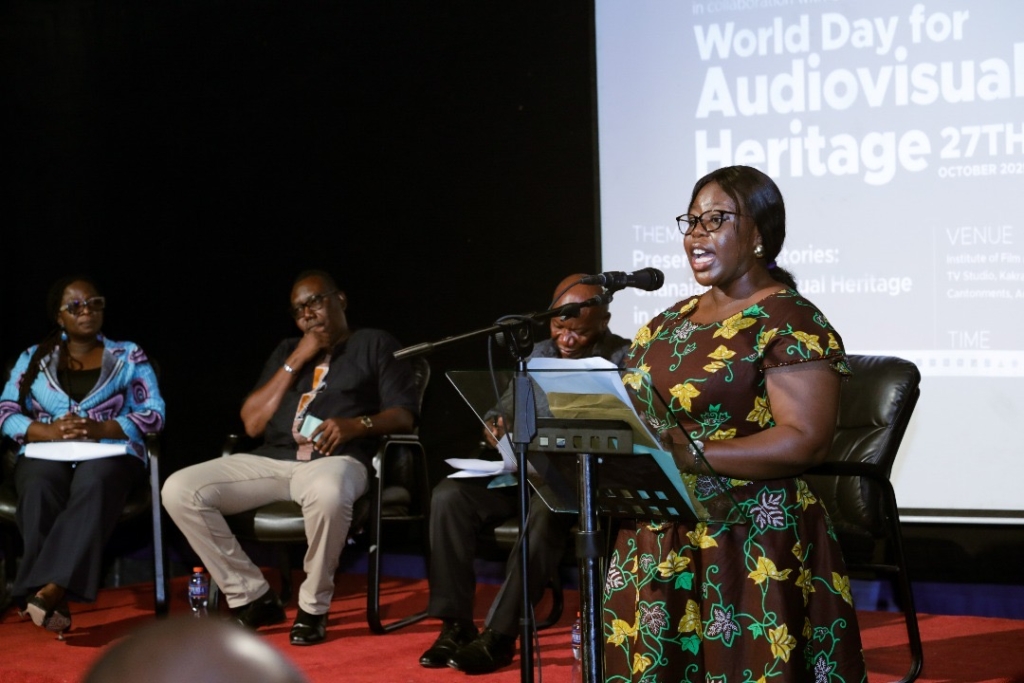
It brought together students, academics, filmmakers and cultural stakeholders for film screenings, lectures and open discussions on protecting Ghana’s creative legacy in a rapidly changing digital world.
Opening the ceremony, Dr Rebecca Ohene-Asah, Dean of the Faculty of Digital Media and Design, described the occasion as “not just a celebration but a call to action.” She said Ghana’s audiovisual archives represent “a living reflection of where we were yesterday, where we are today, and where we aspire to be tomorrow.” Dr Ohene-Asah also announced a forthcoming Master’s programme in digital archiving and preservation to train professionals in safeguarding Ghana’s creative heritage.
Speaking on behalf of the Rector of UniMAC-IFT, Registrar Madam Jennifer Akude stressed that audiovisual materials are “cultural artefacts that mirror our identity, history, and aspirations.” She called for stronger collaboration among institutions, creatives and policymakers to address the fragility of physical film and the urgency of digitisation.
Delivering the keynote address, Professor Kodzo Gavua, Chair of the Ghana Heritage Committee and Council Chair of the University of Health and Allied Sciences, offered a historical reflection on memory, identity and preservation. Describing himself as a “licensed garbage collector” in the service of memory, Prof Gavua traced Ghana’s audiovisual journey from the colonial era to the digital age. “If we fail to preserve our stories,” he warned, “we lose the language of our identity.” He urged filmmakers and archivists to treat preservation as both a technical responsibility and a cultural and political act.
Dr Fara Panbonor Awindor, President of GAFTA, delivered a moving address that tied directly to the day’s theme. He described audiovisual work as “an intentional act of recording memory, culture, and humanity,” adding that preservation must ensure accessibility. “We have a lot of visual material stored abroad, particularly in the UK, yet we cannot easily access them because the equipment to view them no longer exists,” he said. Dr Awindor revealed that digitising these materials would cost about five hundred thousand pounds and challenged both government and private institutions to support the effort. “Would we, as a nation, be willing to invest that amount to safeguard our heritage?” he asked.
He further highlighted GAFTA’s ongoing collaboration with UniMAC-IFT to digitise and preserve audiovisual materials currently stored on obsolete tapes. “It is a cultural responsibility,” he said, “that what we record today can be preserved for posterity.”
During the open forum, filmmaker Owusu Ansah Castro Sarpong raised the need to balance commercial viability with cultural integrity in film production. He argued that while entertainment should attract markets, it must still reflect authentic Ghanaian narratives. Responding, UniMAC-IFT lecturer and National Film Authority (NFA) board member Mr George Bossompim disclosed that GAFTA recently contributed one hundred thousand Ghana cedis to the NFA’s national film fund, reaffirming its commitment to strengthening Ghana’s film economy. Mr Bossompim, who is also part of the “Bring Back Our Old Films” project, noted that repatriating and digitising Ghana’s early films from the UK requires collective effort.
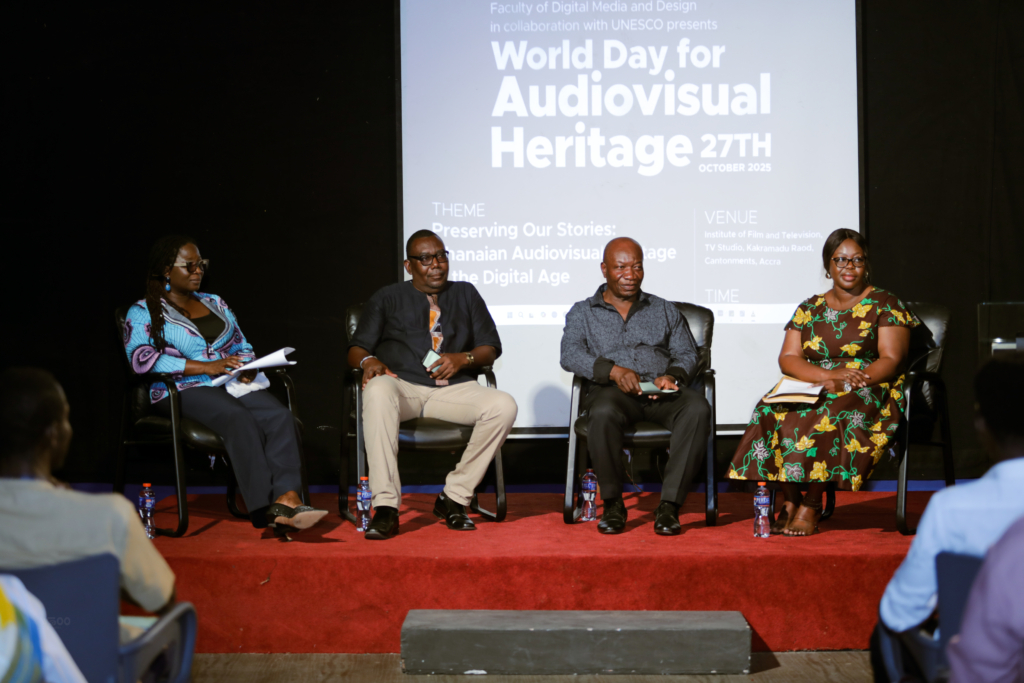
Panel discussions that followed emphasised the role of preservation in national development. Dr Philip Owusu Asaase of the Institute of African Studies said audiovisual archiving should be seen as an economic and developmental tool. “Preservation is not just about keeping memories; it’s about creating a knowledge economy that fuels research, innovation, and cultural exports,” he remarked. Dr Joseph Aketema, Acting Head of Production Techniques at UniMAC-IFT, called for strengthened local capacity for film restoration and metadata cataloguing, warning that without such systems, “we risk losing not only data but also the creative DNA of a generation.”
The highlight of the event was the screening of Freedom, a restored Ghanaian film under the “Ghana Film Library Analogue Video Digitisation Project.” The screening offered participants a glimpse into how technology can revive the nation’s cinematic heritage.
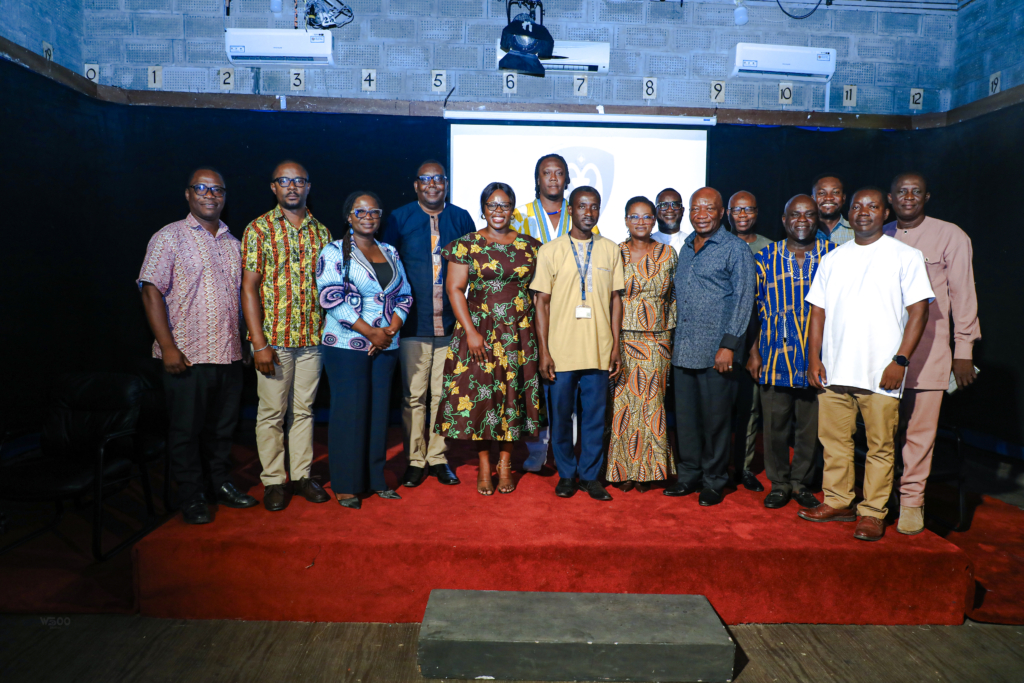
UniMAC-IFT lecturer Mr Joshua Otable urged that archives should include not only films but also production tools and equipment that hold historical value. “When we store visuals, we must ensure they contribute to history rather than merely fill shelves,” he said. Student Makida El Husseini appealed for more public screenings of restored Ghanaian films to reconnect younger audiences with their creative past.
Closing the event, Dr Emmanuel Ayu Nyarko, Acting Head of Animation and Game Development, summarised the day’s message: “What we create and preserve today will tell the story of who we are tomorrow.” He thanked UNESCO, GAFTA and all partners for their support and called for continued collaboration beyond the anniversary.
As Ghana joined the world to mark the World Day for Audiovisual Heritage, one message stood out clearly: protecting the nation’s audiovisual archives is both a cultural duty and an economic investment. Through restoration projects, academic partnerships and international cooperation, Ghana’s creative memory is being renewed with a sense of urgency and purpose. The challenge remains to ensure that the country’s stories, images and voices endure for generations to come.
Latest Stories
-
Hawa Koomson pledges experienced and mature leadership of NPP women’s wing
1 hour -
Young woman found dead at Kasoa Peace Town
2 hours -
Playback: The Law examined lawful arrest in Ghana
2 hours -
Mahama urges African governments to treat healthcare as an investment, not budget cost
3 hours -
Bawumia congratulates John Boadu and new NPP executives, pledges support ahead of 2028
3 hours -
‘No talent should be left out’ – Bawumia pledges inclusive NPP campaign for 2028
3 hours -
Prof. Mike Oquaye recounts how he blocked the Special Prosecutor’s attempt to arrest Bawku Central MP
3 hours -
Make health sovereignty a priority for Africa – Mahama
3 hours -
Dorimon Naa, Wa West DCE lead massive clean-up exercise; threaten sanctions against recalcitrant residents
3 hours -
Photos from Adom FM Y2K Jam
3 hours -
Praye Tiatia steals the show at Adom FM Y2K Jam [Watch]
4 hours -
Boakye Agyarko congratulates John Boadu, pledges support for NPP leadership
4 hours -
Antwi HiMight thrills fans with Antwi ne Antwi hits at Adom FM’s Y2K Jam [Video]
4 hours -
Amb. Edward Boateng congratulates Boadu, Kodua on election wins
4 hours -
John Boadu pledges to rebuild NPP from grassroots and restore ‘winning machinery’
4 hours