

Audio By Carbonatix
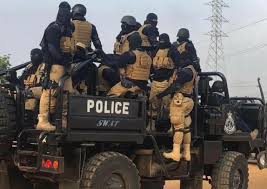
Vigilantism has been identified as the topmost security threat to the peaceful conduct of the 2020 elections on December 7, a survey by the National Commission for Civic Education (NCCE) has established.
The survey also established that the main causes of vigilantism was political influence and it also confirmed that young people, especially heavily built men, popularly known as ‘macho’ were prone to be used by politicians and political parties for the perpetration of violent acts.
The NCCE survey, made available to the Ghana News Agency, classified vigilantism as an emerging violent trend that the use of arms had increased, contributing largely to electoral violence.
Titled: “Election 2020 - matters of concern to the Ghanaian voter,” the survey had 9,541 respondents from all the 275 constituencies. The data was collected in September 2020.
To curb vigilantism, it recommended the need for government to guarantee the independence of state security services to enforce the laws.
To prevent violence during elections, the study recommended the increase in security presence at the various polling stations and intensification of public education by the NCCE on peaceful co-existence, with a special focus on the youth.
On the use of arms and its contribution to electoral violence in Ghana, majority of the respondent supported the fact that counter-arms could disrupt the peace before, during, and after the general election.
The survey also established that majority of Ghanaians were ready to tolerate the views of others before, during and after the general election, which was a positive element for controlling electoral violence.
The NCCE Chairperson, Josephine Nkrumah said the survey was to explore the willingness of the people to cast their ballots.
It would also serve as a database to provide political parties, presidential and parliamentary candidates with information to address key issues of concern and generate content to inform the Commission’s educational engagements.
The NCCE Chairperson said the survey was the fifth quantitative study to be conducted by the NCCE since 2004 on matters of concern to the Ghanaian voter.
Latest Stories
-
Drug cartels may be seeing Ghana as easy route – Lenin Anane Agyei
14 minutes -
Ghana risks gaining notoriety as drug-trafficking hub – Bobby Banson
23 minutes -
Government dismissed my drug trafficking warning, then tried to arrest me – Ntim Fordjour
25 minutes -
Day Two: 3rd Republic Bank-JoyNews Habitat Fair Clinic underway at Junction Mall
25 minutes -
NACOC addressing inherited gaps in fight against drug trafficking – Deputy Director-General
37 minutes -
Taekwondo goes to school as GTF launches five-region youth campaign
40 minutes -
The issues Mourinho is struggling to fix at Real Madrid
47 minutes -
Hundreds throng EducationUSA College Fair in Kumasi in pursuit of abroad studies
49 minutes -
Drug bust: NACOC should be part of port inspection team – Twum-Barimah
53 minutes -
Ward appointed Liverpool’s sporting director
53 minutes -
This isn’t the first cocaine bust; NPP must stop the politicisation – NACOC deputy boss
56 minutes -
Drug bust case: Only Customs officers, MPS officials in scanning room – NACOC
2 hours -
I don’t mind being insulted; I have a crocodile skin – President Mahama
2 hours -
Samson’s Take: Verify the badge – and verify the story
3 hours -
President Mahama explains why Ghana must rethink regulation of TikTok, other new media platforms
3 hours