

Audio By Carbonatix
A year after the August 6 helicopter crash that claimed the lives of eight people, including senior government officials, environmental advocacy group A-Rocha Ghana says Ghana is losing the fight against illegal mining, popularly known as galamsey.
The group says expectations that the tragedy would trigger a renewed and sustained national campaign against illegal mining have not been met.
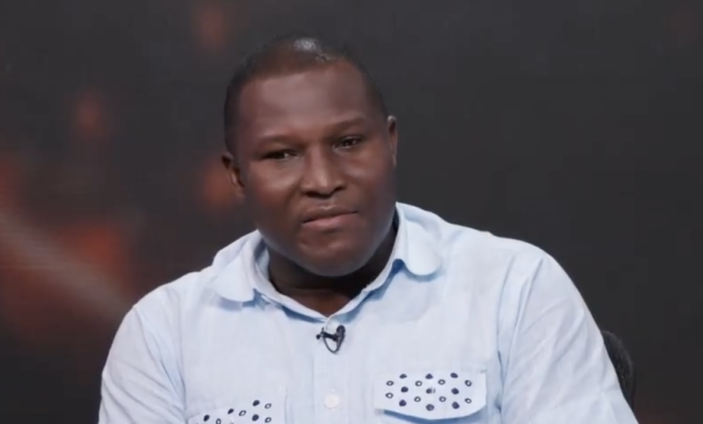
Speaking on Joy News’ PM Express on Wednesday, Deputy National Director of A-Rocha Ghana, Daryl Bosu, said the country has instead lost momentum in the fight.
“You are very much on point when you say we had a lot of expectations, and I must say again that yes, we did. We did have a lot of expectations,” he said.
Mr Bosu said the helicopter crash created an opportunity for the country to build momentum and take decisive action against illegal mining.
According to him, that momentum has since been lost, and the situation on the ground has become increasingly worrying.
“This question, I’ve answered in the last, I’ll say, two weeks, and I practically had to use the word hopeless. I think that where we find ourselves, we are at a point where we are completely losing leadership.”
He said the initial response after the crash gave environmental advocates hope that Ghana would make significant progress in tackling illegal mining.
“We started well, and then when the incident happened, we all kind of like got all this sudden momentum, built this sudden momentum. Everybody was rallying behind the goal, and then somehow we lost track.”
Mr Bosu accused authorities of turning a blind eye to the problem, warning that the situation has returned to the levels that existed before the renewed national campaign.
“We took our eyes off the ball, and everything went back towards the wall, if not worse.”
He said A-Rocha Ghana had expected the country to at least maintain the gains made after the crash and reduce the environmental risks posed by illegal mining.
“I was following your statistics, your data, and I would say that I have even some more to fill in because, as you said, I mean, it’s really gotten that bad to the extent that we thought we had a baseline.”
“We’re going to maintain it then, if not even anything at all, reduce the risks, but gain some ground in terms of the campaign.”
However, Mr Bosu said recent observations from the field have left him deeply concerned about the direction of the fight.
“I mean, the way we said, and from being on the ground just last week and seeing what is happening, I had no choice but to say we are at a point of hopelessness.”
Asked whether Ghana is worse off a year after the crash, Mr Bosu responded: “Yes!”
The August 6 helicopter crash had triggered renewed calls for stronger action against illegal mining, particularly because of concerns over the destruction of forests and pollution of water bodies.
A-Rocha Ghana’s latest assessment suggests that the momentum generated by that national concern has not translated into sustained progress, with the organisation warning that the country risks losing the fight against galamsey.
Latest Stories
-
DVLA records GH¢25 million surplus in 2025 as contributions to state funds reach GH¢98.1 million
4 minutes -
Over 10 suspected scam centre kingpins arrested and remanded – CSA
8 minutes -
Ministers, CEOs, policymakers to grace 7th Africa Public Sector Conference in Accra
10 minutes -
NDC sets filing fees for national executive elections, with chairman aspirants paying GH¢100,000
12 minutes -
Muntaka urges Ghanaian cannabis growers to form cooperatives under licensed cultivation framework
21 minutes -
84 suspected drug offenders in custody as NACOC freezes nearly 73 assets – Muntaka
31 minutes -
Immediate reconciliation key to building united NPP — COKA
34 minutes -
MPs, CSOs push for dedicated budget line for malaria
35 minutes -
Jeffrey Nortey’s viral Kanayo O. Kanayo bar gets the legend’s attention, leads to a meet-up
36 minutes -
Bagre Dam’s Annual Floods: Scientists seek a lasting solution as Northern Ghana’s farmers count the cost
36 minutes -
Why Corporate Communications Professionals Must Be Marketing-Oriented: The strategic advantage and the professional mileage
47 minutes -
DVLA hands 357 suspected cloned vehicles to GRA over customs duties
48 minutes -
Appeals will not end strike, FWSC must negotiate – GAUA General Secretary
54 minutes -
Haruna Iddrisu hails Ghana’s academic calendar as best in a decade
55 minutes -
Silent Football: A team, a dream, a $24,000 debt – the struggles of Ghana’s deaf footballers
55 minutes