

Audio By Carbonatix
The Executive Director of the Institute for Education Studies, Dr. Peter Partey Anti, has emphasised the urgent need to expand the sources of funding for education in Ghana.
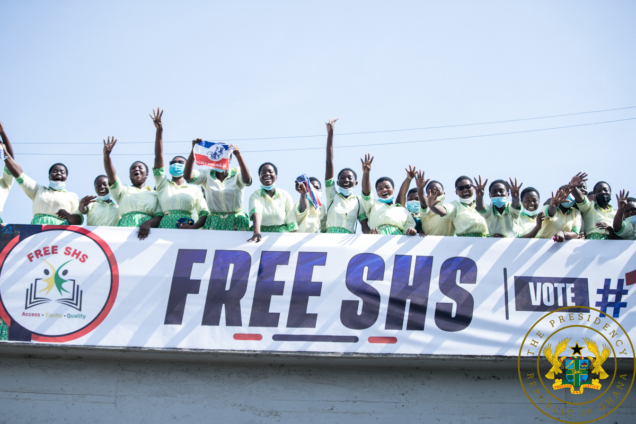
He believes that broadening the financial scope will help address persistent challenges in the sector, particularly those affecting the Free Senior High School (SHS) policy and curriculum reforms at the basic level.
"We need to expand the scope of funds that we use to fund education and in doing that, we need to pursue efficiency measures and ensuring that what is meant for education, is used for education," he said.
Speaking on JoyNews PM Express on Tuesday, February 25, Dr Anti stressed that if discussions around the education sector had been held earlier, many of the difficulties encountered in recent years could have been avoided.
He pointed out that education plays a crucial role in the lives of all citizens, making it imperative for decision-making in the sector to be more inclusive.
“Education affects every single household in this country. Every individual is a stakeholder. You cannot simply have three or four people in a room, or just the Minister or the President, making decisions without broad consultations,” he noted.
Dr Anti warned that poor educational policies could have devastating consequences, potentially harming an entire generation in an instant.
He commended the approach taken by the National Education Forum, expressing hope that the outcomes of their discussions would lead to meaningful reforms in the sector.
Dr Anti further explained that ensuring the sustainability and effectiveness of education financing requires not only expanding funding sources but also implementing efficiency measures to prevent resource wastage.
He stressed that funds allocated for education must be used for their intended purpose and that financial management within the sector should focus on bridging inequality rather than deepening existing disparities.
Additionally, Dr. Anti called for the adoption of innovative funding models to ensure sustainable investment in education.
He stated that several such models are available and should be explored to enhance the quality and accessibility of education in the country.
Latest Stories
-
FirstBank Ghana pledges action on customer feedback at service week forum
18 minutes -
Sahara Group urges journalists to look beyond fuel prices in energy reporting
26 minutes -
Today’s front pages: Friday, October 16, 2026
30 minutes -
Ashanti Region: ECG urges customer cooperation with franchise officers
36 minutes -
Ghana’s research fund faces a test of turning funding promises into scientific breakthroughs
48 minutes -
Dîner en Blanc Accra returns on December 28 for second edition
51 minutes -
20% digital tax: Government hiding behind technicalities to cheat Ghanaians – Dr Boako
2 hours -
David Selassie Anthony declares bid for NDC Deputy National Organiser
2 hours -
Amin Adam proposes 13 measures to strengthen Ghana’s debt transparency and market confidence
3 hours -
Mahama announces $2bn annual investment to accelerate industrialisation
3 hours -
Amin Adam urges monthly disclosure of Sinking Fund as Ghana prepares for DDEP repayments
3 hours -
Stronger banks will fuel business growth and jobs – ADB MD
3 hours -
Galamsey: ‘Rivers that fed our grandparents now run the colour of chocolate milk’ – Sam Jonah
3 hours -
We have been scammed by NDC, government is only doing PR – Abanga Fuseini
3 hours -
Republic Bank–JoyNews Habitat Fair opens in Ho today
3 hours