

Audio By Carbonatix
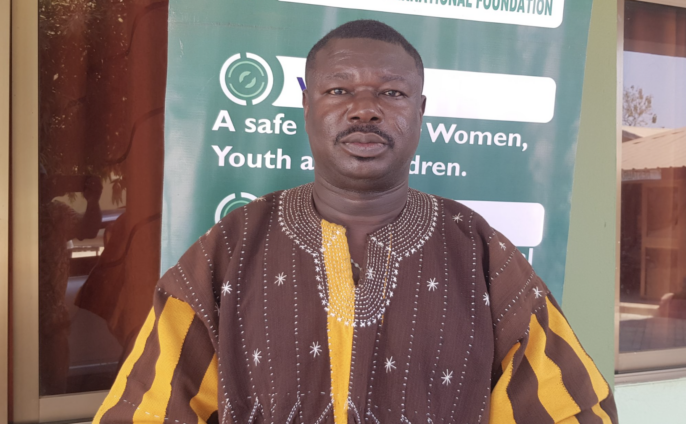
Dr Gabriel Gbiel Benarkuu, the President of the College of Community and Organisational Development (CCOD), a private technical university, says leveraging on the Public Private Partnership Act (PPP) will boost infrastructure development for the 24-hour economy policy implementation.
He said advancements in infrastructure development would facilitate the implementation process and urged President John Dramani Mahama to leverage on the PPP Act to achieve that goal to create jobs and reduce poverty.
The PPP Act 2020 (Act 1039) provides for the development, implementation and regulation of public private partnership arrangements between contracting authorities and private parties for the provision of infrastructure and services.
It also establishes institutional arrangements for the regulation of public private partnerships, and to provide for related matters.
As an engine of growth and development, Dr Benarkuu explained that the PPP Act had created an enhanced means of engaging the private sector and civil society to contribute meaningfully to national development.
Dr Benarkuu, also the Founder and Chief Executive Officer of the MIHOSO International Foundation, a Sunyani-based CSO, gave the advice in an interview with the Ghana News Agency (GNA) in Sunyani on Saturday on the expectation of civil society about the 24-hour economy policy.
He indicated that the PPP Act had a lot of strategies, underlining the need for the Government through the Local Government Ministry to actively engage the private sector and attract investors and other development partners.
Strategies in the Act like the Build, Operate and Transfer (BOT) as well as the Build, Own Operate and Transfer (BOOT) could be accessed to facilitate considerable inflow of funding from investors.
“The investors can then partner with the various Metropolitan, Municipal and District Assemblies to provide some substantial funding for the local government structures that can generate more revenue,” he said.
“You understand that the government is still having a programme with the International Monetary Fund (IMF) and cannot borrow more because there are a lot of conditionalities”.
However, Dr Benarkuu noted that the government could use the BOT and the BOOT models to support the local CSOs, NGOs and the private sector to enter infrastructure development that could increase government revenue generation and create more jobs.
Latest Stories
-
GSA suspends pre-shipment inspection of imported used vehicles
5 minutes -
Elevate Africa confirms presidents, vice presidents and ministers for 2026 Annual Convening in Accra
28 minutes -
Keta MP commissions 60-seater kindergarten facility to replace unsafe structure
33 minutes -
Salomey Awiti-Baffoe’s lawyers welcome GH¢100,000 bail after earlier rejection
35 minutes -
Domestic tourism and its impact on the local economy
43 minutes -
Top-Up Pharmacy wins Community Pharmacy Chain of the Year at 2026 PSGH Pharma Excellence Awards
43 minutes -
Nigeria military aircraft with 32 on board crashes
46 minutes -
Black Stars need a coach who can inspire players to perform – Ignatius Osei Fosu
47 minutes -
Revenue collector crushed to death on Kasoa-Winneba highway
51 minutes -
GPL Week 5: Stephen Amankona, 8 other outstanding players win NASCO awards
53 minutes -
NPP’s new leadership team has experience to deliver – Dr Asah-Asante
53 minutes -
Mahama committed to developing Volta Region – Chief of Staff
54 minutes -
NPP’s new leadership offers no renewal after ‘micro minority’ defeat – NDC’s Abeiku Hayford
56 minutes -
Blackstar Experience to hold fashion show and summit in November
56 minutes -
Prof Mike Oquaye backs Kojo Bamba’s call for stronger ballot protection
1 hour