

Audio By Carbonatix
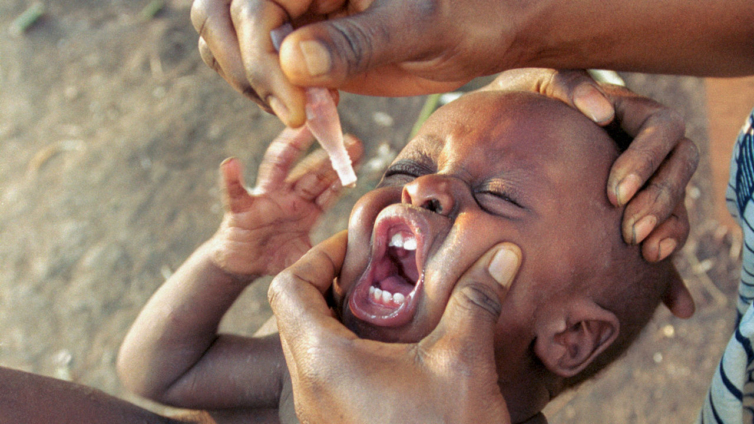
The Ashanti Region has recorded eight polio cases in six districts, more than any region in the country since the beginning of this year.
The cases, all vaccine-derived polio virus Type Two represent more than 80 per cent of 12 cases recorded nationwide.
Though health authorities will not give details of affected districts, they say the situation calls for public support as it rolls out an ambiguous three-day immunisation programme targeting about 1.2 million children under five-years.
"The Ashanti Region recently recorded in six districts in what we call vaccine-derived poliovirus Type Two. And in accordance with established protocol, the region, together with other regions in the country would be embarking on massive polio immunization exercise," Deputy Regional Health Director in charge of Public Health, Dr Yaw Ofori Yeboah told the media in Kumasi.
The situation has prompted health authorities to roll out a three-day immunisation programme across the Region from September 10 to 13..
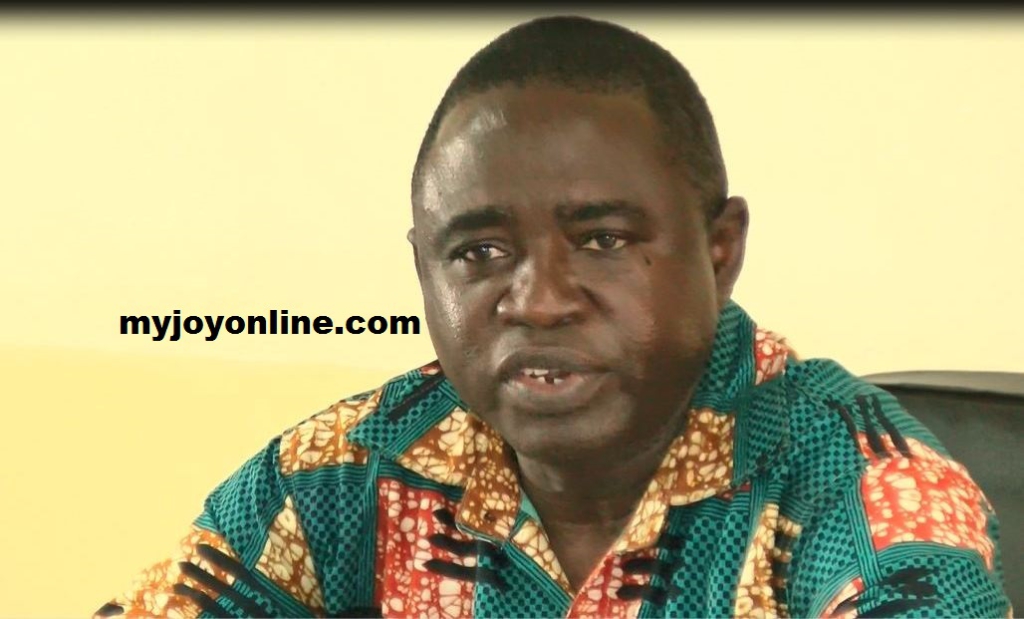
Deputy Regional Health Director in charge of Public Health, Dr. Yaw Ofori Yeboah asked parents to avail their children under 5-years for administration of safe vaccine in all 43-districts of the Ashanti region.
"The focus would be for children under the age of five-years. In Ashanti region, we would be targeting 1,184,860 children aged below five-years."
The affected districts are said to be areas noted for low immunization and insanitary conditions.
Dr. Ofori Yeboah admits the advent of Covid-19 which has affected routine health services in the region could be blamed for the situation.
He want all hands on deck to kick start the immunization exercise.
Meanwhile, the World Health Organisation says some polioviruses have been discovered in Greater Accra and Eastern region.
Immunization Officer, Fred Osei Sarpong revealed poliovirus were found in environmental sewage in those areas and speak of investigations into the virus.
"What we are also doing is aside from the fact that the virus can infect an individual and get that individual paralyzed; the virus is usually in the environment so, in order to satisfy ourselves that we don't have the virus with us, we do pick samples from environmental sewage, send to the lab and then we test."
Latest Stories
-
Falling inflation doesn’t mean lower prices – TUC official
44 seconds -
Hopeson Adorye calls for one-year mining ban as abandoned galamsey pits claim 23 lives in Ashanti Region
5 minutes -
Adu Boahene trial: Judge’s refusal to halt proceedings despite repeat injunction application unfortunate – Atta Akyea
7 minutes -
Gov’t unveils National Workplace Compliance and Safety Management System
12 minutes -
Judge NPP chairmanship candidates on merit, not geographical grounds – Paul Afoko
14 minutes -
IMANI calls for shift from natural resource dependence to diversified economy
25 minutes -
Development must not restart after every change of government – Dr Amoakohene
26 minutes -
I’ll be chairman for every NPP member, not one faction – Paul Afoko
35 minutes -
GRA lists used fridges, air conditioners and underwear among prohibited imports
41 minutes -
‘Ejaculation does not cause blood loss’ — National Blood Service corrects misinformation
46 minutes -
Paul Afoko files NPP chairmanship nomination, promises to reunite party ahead of 2028
48 minutes -
FDA seizes flood-damaged drinks, warns public against purchasing washed products
1 hour -
Lockerbie bombing trial postponed again after new evidence emerges
1 hour -
NLA says 12% salary offer remains on table, urges striking staff to return to work
1 hour -
MTTD officers will remain on roads despite traffic technology rollout – Interior Ministry
1 hour