

Audio By Carbonatix
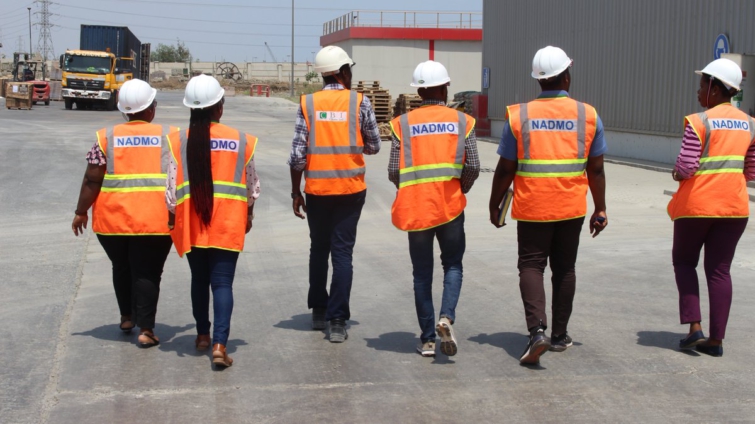
The National Disaster Management Organisation (NaDMO) has expressed its commitment to reduce hydrological disasters by 50 percent in the Cape Coast Metropolis by the end of the year.
"Our projection is to reduce the incidence of hydrological disasters in the Cape Coast Metropolis by 50 percent," Mr Kwame Odame, Head of Disaster, Cape Coast NADMO has said.
Speaking in an interview with the media in Cape Coast on NaDMO's preparedness ahead of the raining season, Mr Odame said his outfit has put in place stringent measures to help prevent and reduce the impact of disasters across the Metropolis.
The move include investments in NaDMO personnel, logistics, dredging and opening of drains in communities for easy flow of water.
NaDMO has also been strictly monitoring early warning systems to aid the identification of disasters in their formative stages, to disseminate timely information and warning and also to engage in hazard/disaster awareness creation campaign.
Above all, the organization is also re-awakening its disaster volunteer clubs in schools, communities and institutions, intensifying public education in communities and media and being vigilant in flood-prone communities to avert disasters.
The initiatives, Mr Odame admitted, would give a strong boost to communities’ early response to disasters or potential disasters and also ease their workload.
Nevertheless, he conceded the fact that with the onset of rains, it was expected that some communities will experience floods and rainstorm disasters, but was hopeful that measures instituted will help reduce the impact of such disasters and ameliorate the plights of victims.
Mr Odame identified major hydrological disaster-prone areas in the metropolis which include Ayifua junction, Amamoma, Kwapraw, OLA, Kotokoraba ECG, Ankafo and parts of the University of Cape Coast.
In all of these communities, he explained that NADMO had noticed the absence of proper drainage systems, small existing culverts, encroachment on valleys, erecting of fence walls and buildings on waterways, poor building layout, silted storm and earth drains as well as uncompleted or abandoned road construction as major contributory factors.
Mr Odame appealed to the public to co-operate in dealing with environmental issues in order to significantly reduce human-induced disasters, adding that "disaster prevention is not the sole prerogative of NaDMO but a shared responsibility".
He advised owners of high rise buildings, to install fire suppression systems, which is the most current method of curbing fire outbreaks. He also cautioned all tenants and landlords occupying old and dilapidated structures to vacate them to protect and save their lives.
Latest Stories
-
Today’s Frontpages: Thursday, September 3, 2026
1 minute -
Police arrest over 10 students over Okuapeman-Mount Sinai clashes
17 minutes -
WAFU B WCLQ: Ampem Darkoa Ladies thrash Dynamique FC to reach final
2 hours -
Chief Justice should avoid partisan political arena – Prof Kwaku Asare
2 hours -
GMTF Administrator hails Mintah Akandoh’s support as Fund marks first year
2 hours -
GPHA honours 410 staff for outstanding service
2 hours -
BoG slashes September FX support to $500m as GoldBod boosts dollar supply
2 hours -
GNFS rolls out automated fire compliance system
2 hours -
SOE profit at GH¢19.8bn: I call it a miracle, but it’s not operational efficiency – Dr Atuahene
2 hours -
SHS violence: Government must review discipline policy – IFEST
2 hours -
Nana Akomea leads NPP First Vice Chairman race in new poll
2 hours -
Ato Forson begins groundwork for Mahama’s $10bn New Economy agenda
2 hours -
SHS violence: Peter Anti demands intelligence-led security in schools
2 hours -
‘Presidents can’t have unfettered powers’ – Sophia Akuffo
2 hours -
Kwame Agbodza cuts Wenchi-Bole road contracts by 25km over slow work
3 hours