

Audio By Carbonatix
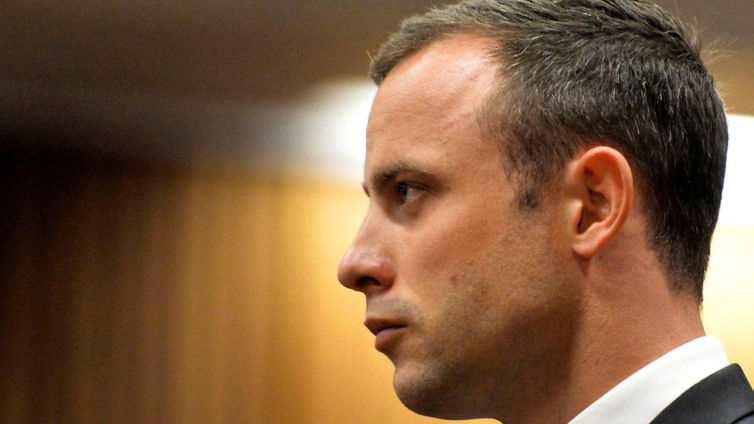
Oscar Pistorius's bid for parole collapsed in South Africa after it was revealed he had not yet served enough time to qualify for early release.
The 36-year-old former Paralympian is serving 13 years for the murder of his girlfriend, Reeva Steenkamp, in 2013.
The parole board met to hear evidence, including from Pistorius and Ms Steenkamp's mother.
But instead of giving a decision afterwards, embarrassed officials admitted their timings had been wrong.
Earlier this week, they had received, but ignored, a letter from South Africa's top appeals court, which explained that Pistorius needed to spend another year and a half in prison before he could be considered for parole.
The hearing at Atteridgeville prison, a low-security facility in rolling fields just outside the city of Pretoria, should never have happened.
For weeks, officials had insisted the amputee former sprinter was eligible to apply for parole, having served half his sentence.
The confusion stems from the fact that Pistorius's time in prison has been broken up by appeals and by a period of house arrest.
There is disagreement about where to draw the halfway line.
Pistorius's family have expressed dismay and are seeking legal clarification.
It has been an emotional day for the Steenkamp family, who have welcomed the fact that Pistorius will not be yet be freed.

"Today is not a cause for celebration. We miss Reeva terribly and will do so for the rest of our lives. We believe in justice and hope that it continues to prevail," their statement said.
When June Steenkamp, Reeva's mother, spoke to reporters before the hearing she said she opposed the release of her daughter's killer: "I don't believe Oscar is remorseful… or rehabilitated."
The six-time Paralympic gold medallist has expressed his deep remorse for killing his girlfriend on Valentine's Day in 2013, but continues to maintain he shot her by mistake, believing she was a robber.
Pistorius was initially found guilty of culpable homicide and given a six-year term. But prosecutors launched an appeal, arguing this was too lenient.
The sentence was increased to 13 years as he was then convicted of murder.
This verdict was based on the grounds that he must have known his actions - shooting three times through a locked bathroom door in his Pretoria home - would lead to the death of whoever was on the other side.
The televised trial of the man once dubbed "the Blade Runner", because of the ground-breaking prosthetic legs he wore in both Paralympic and Olympic track races, attracted huge global attention.
It now seems likely that he will not have an opportunity to leave prison before August 2024.

Latest Stories
-
New York Times executive fatally shot allegedly by elderly in-laws
22 minutes -
Teacher Payment Crisis: GES races to protect academic calendar
31 minutes -
US prosecutors reopen case of alleged gang rape at Cornell University
48 minutes -
Journalist to be crowned king in Uganda after bitter succession dispute
58 minutes -
OpenAI scraps rollout of new model over safety concerns
1 hour -
Nigerian attempts to break world record by dancing non-stop for seven days
1 hour -
GES urges government agencies to end blame game over teacher payments
3 hours -
GES sets Oct. 5 deadline to resolve teachers’ payment dispute
3 hours -
GES working around the clock to get teachers back to class, says Daniel Fenyi
4 hours -
French PM warns against escalation of school protests after 164 arrested
4 hours -
UK tries to stop Trump’s diesel export ban
4 hours -
Late Olise goal gives France win over Belgium
4 hours -
Mancini enjoys first win since return as Italy boss
5 hours -
Interest payments to average a high 20% of government revenue over next 4 years
5 hours -
Anthropic warns AI may pose ‘existential risks to humanity’ in IPO filing
5 hours