


Audio By Carbonatix
The idea of a Big Push in development for Ghana is novel.
First articulated by economist Paul Rosenstein-Rodan in the 1940s, the theory argued that underdeveloped countries often remain trapped in cycles of poverty because small, isolated investments cannot generate the scale of transformation needed for sustained growth.
Instead, what is required is a massive, coordinated investment across multiple sectors, especially infrastructure projects, to receive funding from a “big push” that creates the linkages driving industrialisation, job creation and self-sustaining progress.
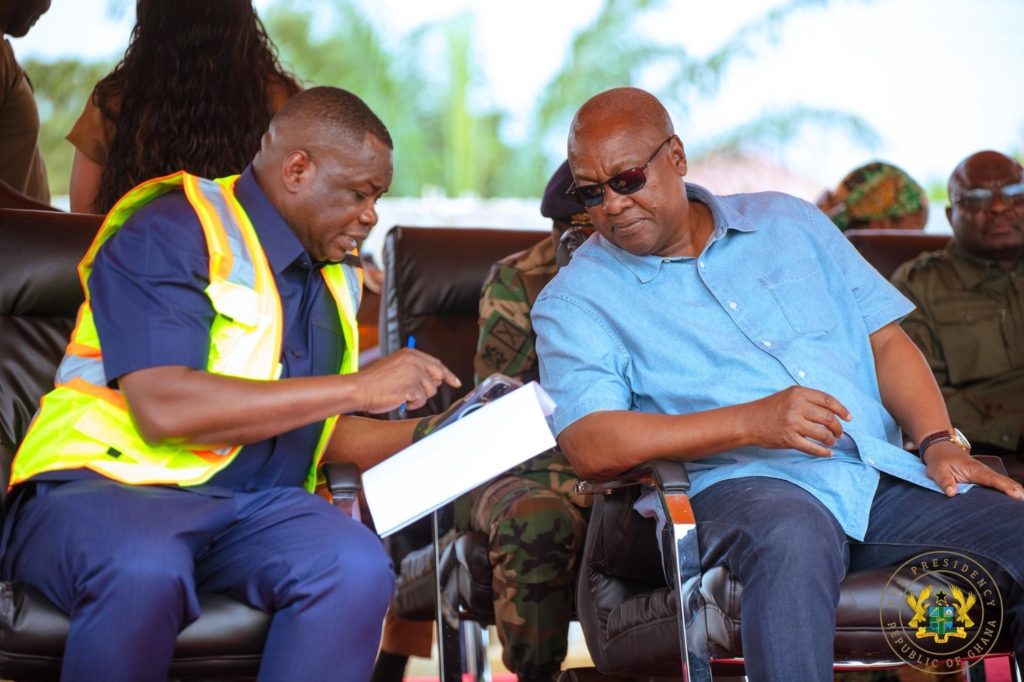
His Excellency President John Dramani Mahama’s Big Push vision is a modern embodiment of this classic theory, tailored to Ghana’s context.
In both the NDC’s 2020 and 2024 manifestos, then-candidate John Mahama outlined his bold $10 billion accelerated infrastructure drive to overhaul roads, railways, energy, health and education.
Like Rosenstein-Rodan’s theory, H.E. Mahama’s plan recognizes that strategic, large-scale investment is crucial to breaking bottlenecks and stimulating innovation, demand and growth.
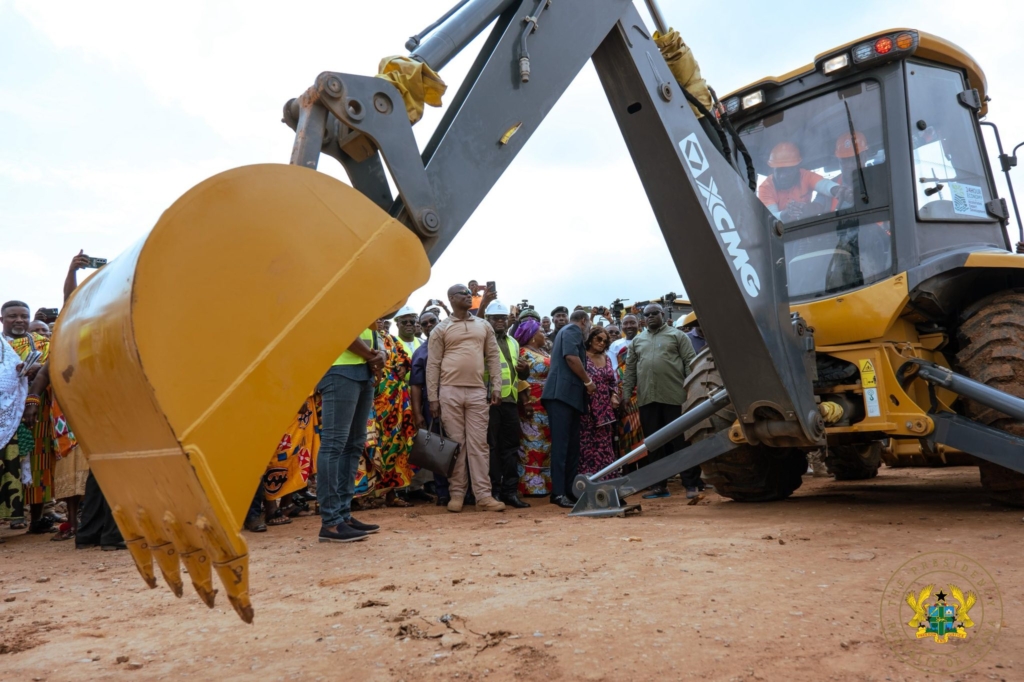
What makes Mahama’s Big Push especially laudable is its people-centered application. The projects will benefit all 16 regions of Ghana.
They will develop road infrastructure, improve movement and mobility, and invest in human capital and social inclusion. This ensures that the benefits of growth extend to all communities and sectors.
As with the 1940s theory (later supported by the World Bank), it is envisioned that simultaneous investment would lead to a countrywide economic recovery, drive industrialisation, and create jobs and prosperity for all.
In doing so, it translates a historic development principle into a contemporary roadmap for Ghana’s transformation.
The result is a vision that blends the ambition of classical development theory with the practical needs of modern growth: equity with investment, jobs with opportunity and infrastructure with sustainability.
H.E. Mahama’s Big Push is therefore not only historically grounded but also forward-looking, making it a laudable and timely agenda for Ghana’s renewal.
Exciting times are, indeed, ahead for Ghana.
Latest Stories
-
ECG announces planned power outages in parts of Tema from Sept. 29 to October 1
17 minutes -
Sylvester Mensah urges Latenu FM to promote trade, export opportunities in Ga
31 minutes -
Ga language under threat of decline as children shy away from speaking it – Sylvester Mensah
35 minutes -
‘Let every Ga child you raise know the Ga language and story’ – Sylvester Mensah
42 minutes -
‘We are not deterred’ – Ablakwa responds to backlash over South Africa evacuation
43 minutes -
NCA announces major voice and data disruption across Northern Ghana due to fibre cuts
1 hour -
Photos: Housing solutions take centre stage at Day 2 of the 3rd Republic Bank-JoyNews Habitat Fair
2 hours -
Ghana Air Force passes out 293 recruits after six months of intensive training
3 hours -
EOCO vrs Baffour Awuah: EOCO should have secured warrant before arrest attempt at court – Inusah Fuseini
3 hours -
Triple fibre cuts disrupt telecom services across Northern, Oti regions – Sam George
3 hours -
Politicisation could undermine parliamentary probe into cocaine seizures – Dr Osae-Kwapong
3 hours -
EOCO chases MP: Can Section 41 cure lacuna in EOCO Act? – Inusah Fuseini asks
3 hours -
GNFS, GWL inspect fire hydrants in Ministries enclave; 23 found faulty
3 hours -
Gov’t directs release of 50,000 bags of grain to ECOWAS
3 hours -
Ghana, Germany deepen cooperation on railways, labour mobility
3 hours