

Audio By Carbonatix
Health experts and other interest groups in consumer protection are intensifying calls for mandatory front-of-pack warning labels on food and beverages in Ghana.
This is part of efforts in tackling the growing burden of non-communicable diseases (NCDs) in the country.
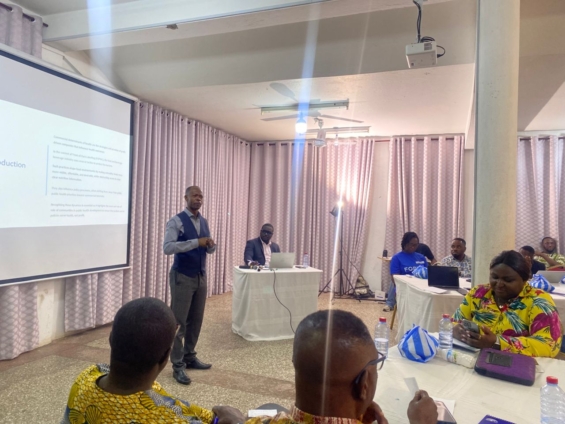
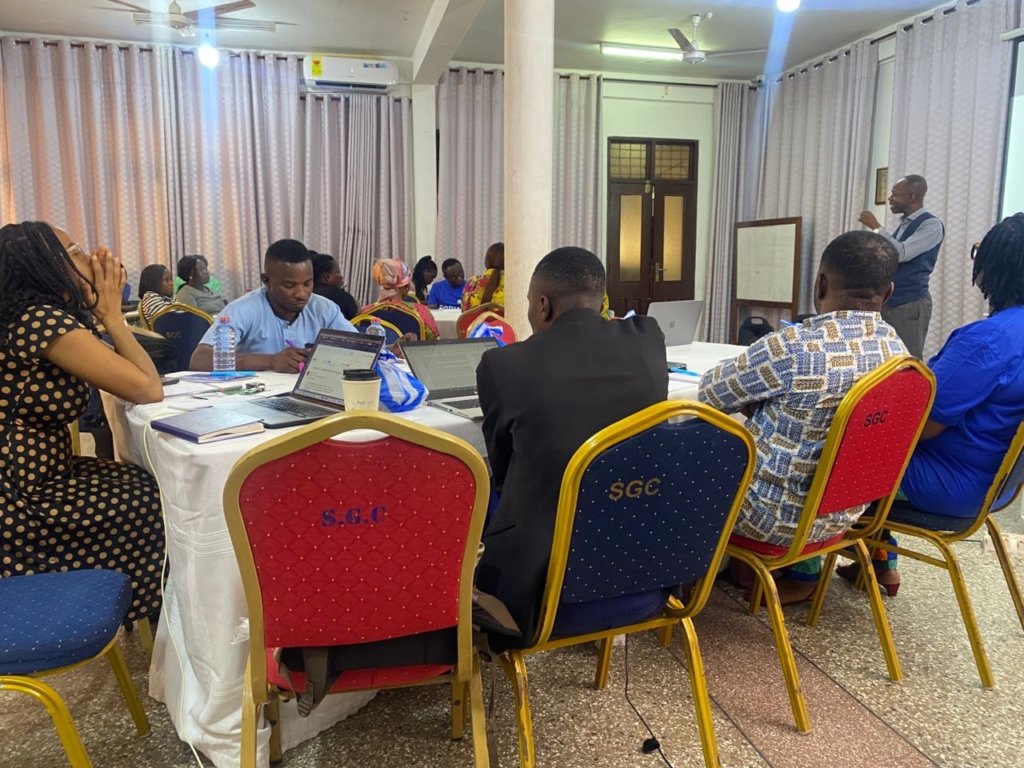
Speaking at a stakeholders’ meeting organized by Send-Ghana and the Ghana Academy of Nutrition and Dietetics (GAND) in Kumasi, Professor Reginald Annan of the Department of Biochemistry, Nutrition and Dietetics at KNUST, warned that lifestyle related conditions are now the leading causes of death globally.
“It’s not infections that are killing people, but rather what we eat and how we live. High sugar leads to diabetes, high salt leads to hypertension, and the wrong fats cause heart disease. We need clear warning labels, just like those on cigarette packs, so that people can immediately tell when a product is harmful,” Prof. Annan said.
He cited a recent study which found that people who regularly consume sugar-sweetened beverages could lose about 7.5 years of their lifespan.
He stressed that Ghana, as a lower-middle-income country, is already carrying a heavy burden, with one in two women overweight or obese, placing further strain on the health system.
In addressing the health crisis, the stakeholders are pushing for the colour-code/band on the labels of packaged foods and beverages packaged on the local market.
Principal Dietician at Komfo Anokye Teaching Hospital, Afua Owusu Ansah, highlighted the importance of making nutrition information simple and accessible.
“Even highly educated people may struggle to interpret detailed food labels. That’s why we are advocating for color-coded warnings green for healthy, red for high sugar, fat, or salt. This way, everyone, from professors to market women, can make informed choices,” she noted.
The Food and Drugs Authority (FDA) assured that steps are underway to address the issue.
Regulatory Officer at FDA-Ashanti, Zeinab Acheampong, explained that labeling guidelines already exist and are aligned with international standards.
“We have done it for tobacco products, and it worked. Now it is time to extend it to food. Consumers deserve to know what they are putting in their bodies,” she said.
She, however, indicated that the process must involve collaboration with industry.
“It is best when we all understand, rather than impose things on manufacturers who may try to cut corners. We are taking it step by step, but public health and safety remain our top priority,” she stated.
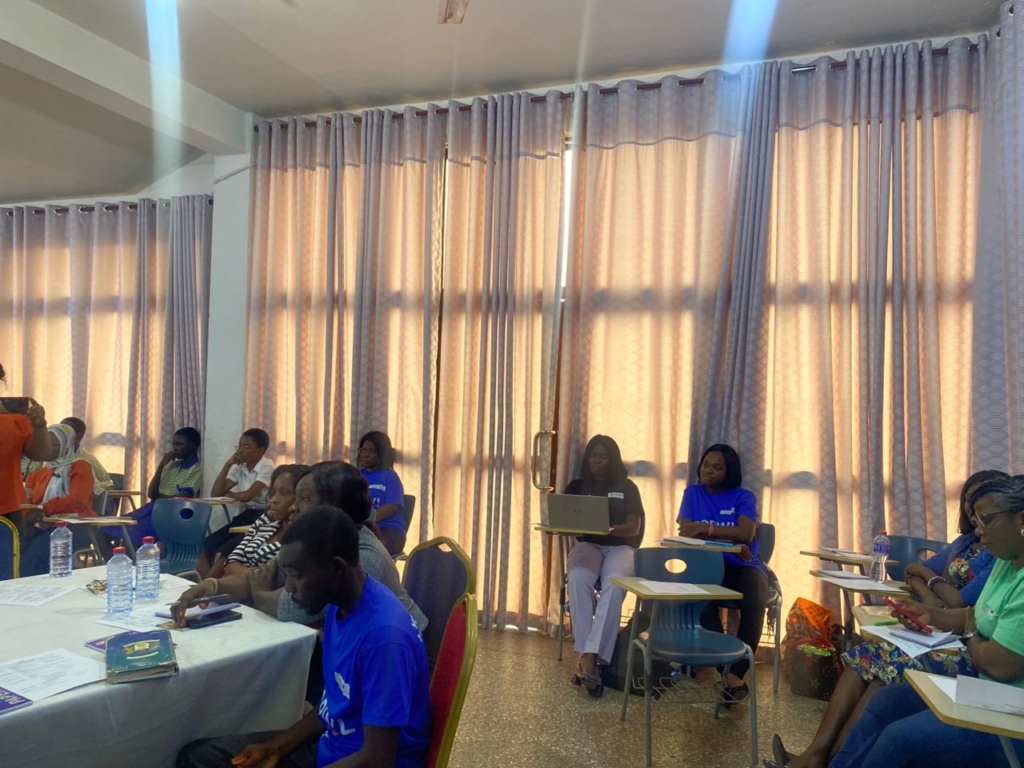
The stakeholder engagement brought together queen mothers, market leaders, the Ghana Health Service, FDA officials, academia, and civil society groups.
The goal is to shape a national policy that reflects the realities of Ghanaian communities while addressing the root causes of diet-related illnesses.
Community voices also reinforced the urgency of the discussion. Maame Pokuaa, a trader from Kumasi Racecourse Market, expressed concern about food safety and lifestyle choices affecting health.
“Energy drinks are worrying. I fell sick once and the doctor told me to stop taking them. I plead with market women and the public to reduce or stop drinking them,” she said.
The meeting forms part of a series of nationwide consultations. According to organizers, the next engagements will take place in the regions of the north, after which a final policy document on front-of-pack food labeling will be drafted.
Health experts hope the move will reduce the rising prevalence of obesity, diabetes, hypertension, and other NCDs in Ghana, while also easing the financial pressure on the country’s already stretched health system.
Latest Stories
-
Mahama inspects Nkokɔ Nketenkete plant, eyes Bechem as chicken capital
2 minutes -
Ghana not seeking full BRICS membership, applying as Partner Country – Ablakwa
3 minutes -
Woman injures three people in third Poland school knife attack in a week
4 minutes -
Ghana should join BRICS as partner, not member – NPP Bono East Regional Secretary
5 minutes -
Ghana High Commission warns nationals in South Africa over protests in Johannesburg, Durban
5 minutes -
Mahama praises Roads Minister for keeping Big Push contractors on their toes
11 minutes -
World Cup Visa Scandal: ‘My client has not collected money for visas’ – Ampofo Ankrah’s lawyer
23 minutes -
US immigration officials defend ICE agents who shot man in same car as child
32 minutes -
Commentator Katie Zacharia picked as new White House press secretary
35 minutes -
Drone strike by Sudan paramilitary kills 41 near Ethiopian border, rights group says
42 minutes -
King warns malicious online actors are evolving tactics
49 minutes -
Several injured as Saudi capital airport reportedly hit again
52 minutes -
Christa Pike discharged from hospital and returned to prison, her lawyers say
54 minutes -
Ghana’s BRICS move requires clear strategy to manage risks – Godfred Bokpin
3 hours -
Pay teachers realistic income – Duncan Amoah to gov’t
3 hours