

Audio By Carbonatix
Flooding in northern Ghana, driven by increasingly erratic rainfall and the annual spillage of the Bagre Dam in Burkina Faso, has become a recurring crisis with growing links to climate variability and change.
While the destruction of farmlands and post-harvest losses often dominate public discourse, a less visible but equally dangerous impact is emerging. This is the contamination of water sources and the breakdown of sanitation systems in affected communities.
For Climate Evidence, JoyNews Upper East Regional Correspondent Albert Sore reports that polluted water bodies, damaged boreholes, and collapsed household latrines are exposing residents to serious health risks in the aftermath of annual floods.
Every year, between August and September, Sonnabel, the operator of the Bagre Dam in Burkina Faso, spills excess water to safeguard the dam’s structural integrity. This, combined with intense rainfall events, frequently triggers flooding across northern Ghana, particularly in the Upper East, Upper West, and North-East regions.
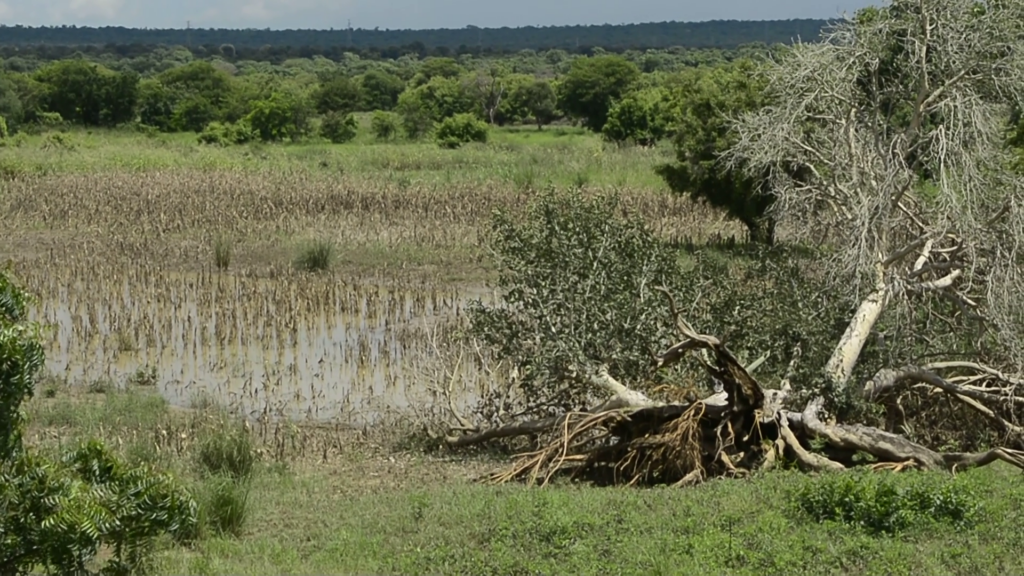
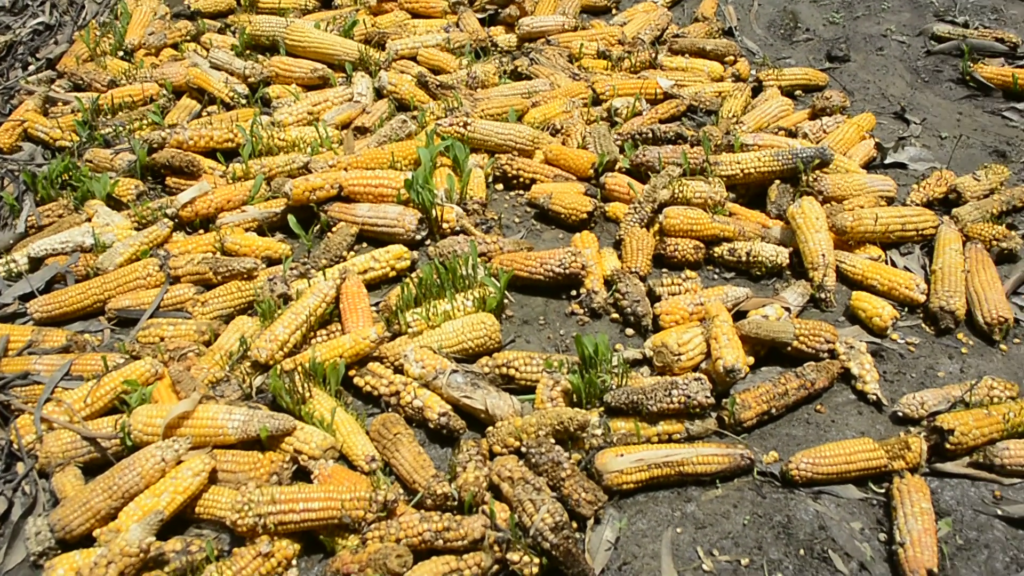
Entire hectares of farmland are submerged, leaving farmers with rotten produce and heavy losses. As a result, agricultural damage remains the most visible consequence. However, in many flood-affected communities, the destruction extends beyond farms to critical water and sanitation infrastructure.
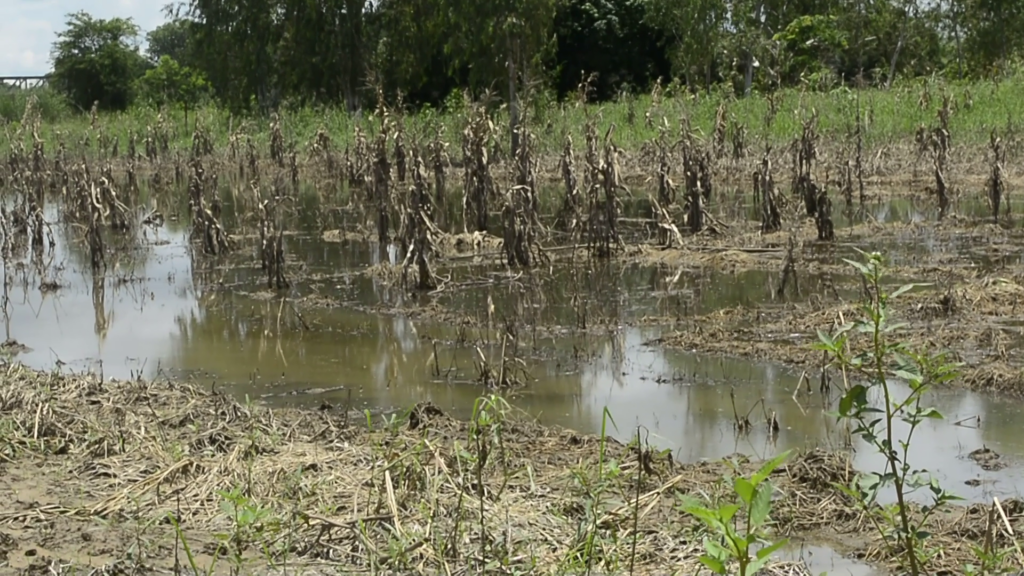
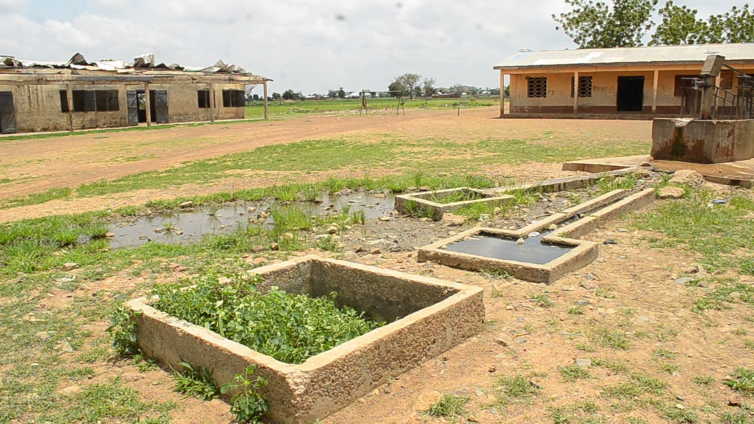
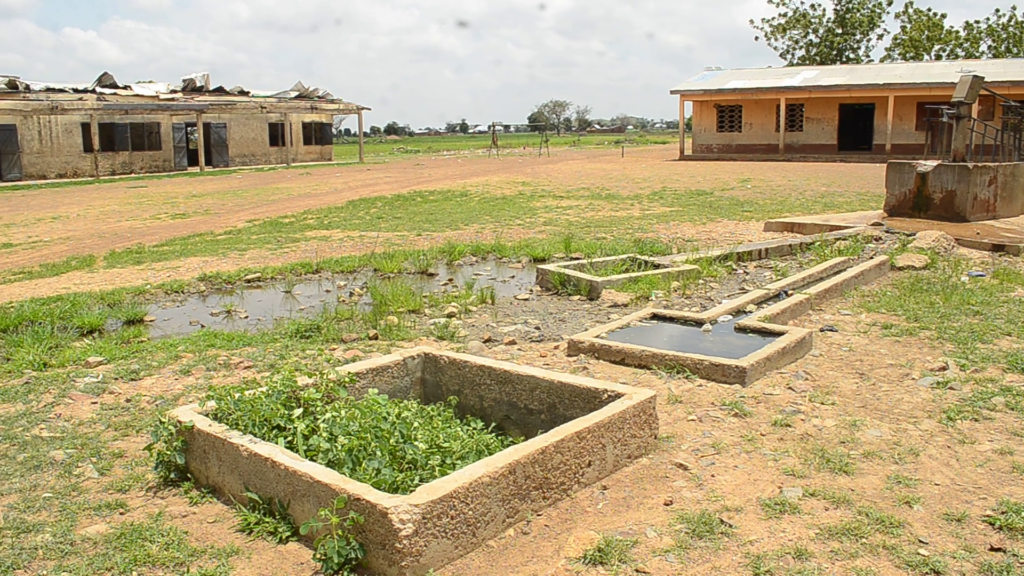
In Salpiiga, a community in the Bawku West District, residents say floodwaters have polluted wells and boreholes that serve as their primary sources of drinking water.
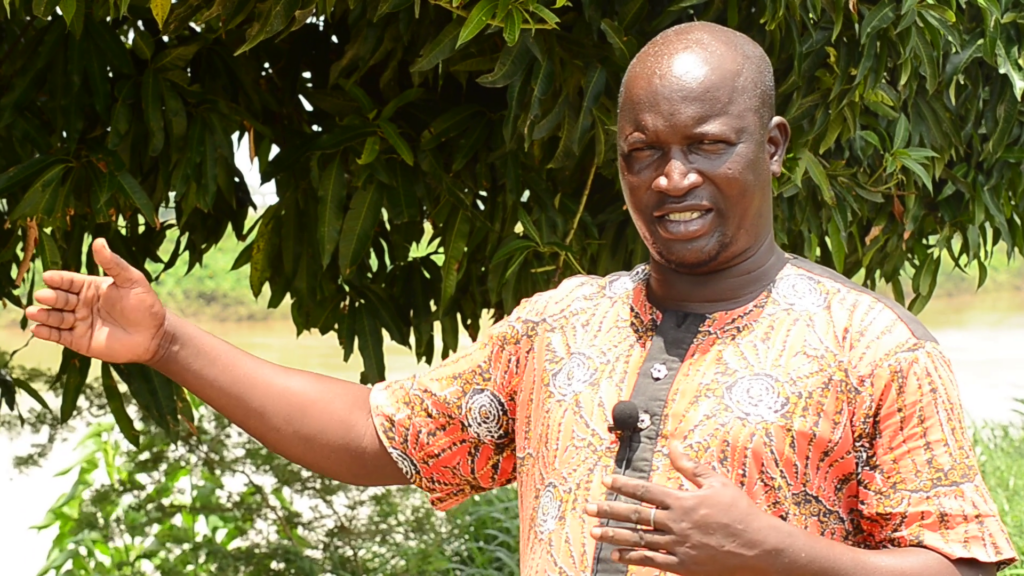
The Assembly Member for the area, Awini Asaana Zakari, explained that sanitation facilities have also been severely impacted.
“Usually, the floods leave behind a lot of infections. Water flows into our drinking water sources, such as dugouts, boreholes, and some streams that feed into the main source, the White Volta. So, all these are polluted,” Zakari said.
“We were able to get household latrines all over (the community), but when the flood came, almost all the latrines collapsed, and in fact, that year there were a lot of sanitation issues here,” he revealed.
Zakari added that about three years ago, a similar flooding event required intervention from the Ghana Health Service and other agencies to prevent a cholera outbreak.
Beyond water contamination, residents also report environmental degradation. Sections of the Volta Lake that pass through the area, which are vital for irrigation, are increasingly affected by erosion largely driven by floodwaters.
Farmers are now adjusting their practices in response to these changing conditions.
Mbabugri Samadu, a local farmer, said they have begun planting earlier than usual to avoid losses.
“But, when we start early, sometimes the crops don’t do well because of delays in rainfall,” Samadu revealed.
“For the water body, we are even planting trees to protect it from causing erosion whenever it rains,” he added.
These actions highlight local adaptation efforts, as communities respond to shifting rainfall patterns and flood risks linked to climate change.
At Pwalugu in the Talensi District, where access to safe water is already limited, floods have further worsened the situation. Residents say several water dugouts, which have long been relied upon for domestic use and livestock, have collapsed.
Wilson Abaa, a resident, recounted how a dugout he constructed was destroyed two years ago.
“There was water in the dugout, and many people were coming (to fetch). In a day, it could serve up to a hundred people. But the rains that came washed a lot of dirt into it. So, it is closed,” Abaa said.
Health officials warn that these conditions significantly heighten the risk of disease outbreaks.
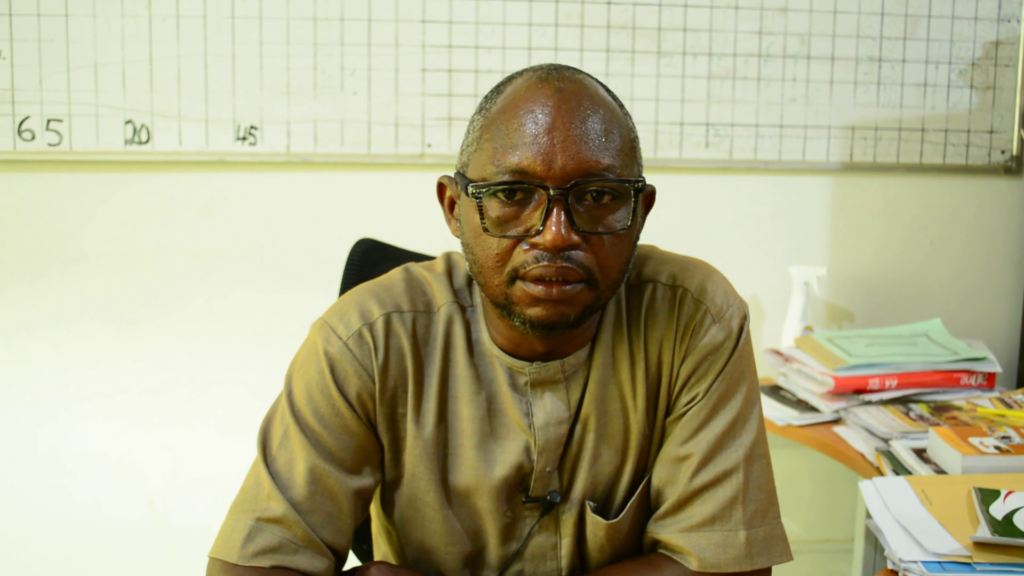
The Upper East Regional focal person on Water, Sanitation and Hygiene, WASH, at the Regional Health Directorate, Justin Takpier, confirmed a rise in sanitation-related health concerns following floods.
“The floods often contaminate water bodies. Sometimes, boreholes and wells are sited a bit close to these water bodies, and so when the water bodies are flooded, they run into the wells, and most of the time, the wells are also not protected,” Takpier explained.
He cautioned that without urgent intervention, such conditions could trigger serious public health crises.
“Public education is key in making sure that in siting boreholes and toilet facilities, we do it away from flood-prone places; at least build a wall around it so that even if water comes, it may not be able to spill into the well or the borehole where people fetch the water,” he said.
In response, some communities are taking proactive steps. In Salpiiga, farmers, with support from WaterAid Ghana, are planting trees along riverbanks to reduce erosion and protect water sources.
WaterAid Ghana has also trained community volunteers to educate residents on safe sanitation practices, strengthening local resilience to climate-related shocks.
Despite these efforts, residents are calling for greater policy attention and investment in water and sanitation infrastructure in flood-prone areas. They argue that the environmental and public health impacts of flooding can be just as severe as agricultural losses, and in some cases even more severe.
As climate change continues to intensify rainfall variability and flood events, the experiences of these communities underscore the urgent need for integrated adaptation strategies that address not only food security, but also water safety, sanitation, and public health.
This story is brought to you by JoyNews in partnership with the Climate and Development Knowledge Network (CDKN Ghana) and the University of Ghana Centre for Climate Change and Sustainability Studies (C3SS), Legon, with funding from the CLARE R4I Opportunities Fund.
Latest Stories
-
Luv Fm High School Debate: KNUST SHS and Osei Adutwum SHS set up thrilling final after dramatic semi-finals
3 minutes -
KNUST AI Coordinator urges structured adoption of AI in teacher education
16 minutes -
Nepal rescuers blast hillside in search of hydropower workers as families wait anxiously
33 minutes -
Teachers who pass promotional exam to get January 2026 start date after gov’t resolves promotion dispute – Apaak
36 minutes -
NSMQ 2026: St. John’s School rally from slow start to book semi-final spot
36 minutes -
Promotion pay row: Gov’t gives teachers September to complete salary adjustments
47 minutes -
Financial irregularities plummet by 62.9% as state tightens fiscal controls
48 minutes -
DVLA to expand mobile services to underserved communities in Ghana’s Eastern Corridor of the Northern Region
1 hour -
GUTA urges GPHA to act swiftly to end Tema Port congestion to avert rising business costs
1 hour -
Port congestion could undermine 24-hour economy policy – GUTA
1 hour -
NSA opens three-day window to resolve national service biodata mismatches
1 hour -
Abu Jinapor highlights increased gold exports after Domestic Gold Purchase Programme
1 hour -
NPP UK branch calls for independent audit into gold purchasing operations and parliamentary probe
2 hours -
Zanetor Agyeman-Rawlings pledges decisive action on climate change, galamsey and environmental degradation
2 hours -
Bawumia was brainchild behind Domestic Gold Purchase Programme – Samuel Jinapor
2 hours