

Audio By Carbonatix
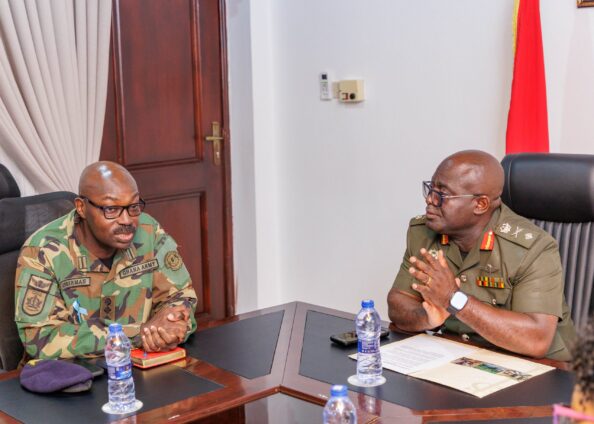
The Ghana Armed Forces (GAF) is advancing efforts to strengthen the mental wellbeing of its personnel with the development of a comprehensive Mental Health Policy aimed at addressing psychological challenges and substance use within the military.
The policy, currently being developed by the GAF Mental Health Policy Committee, is being shaped through collaboration with key stakeholders.
As part of this process, the committee is working closely with the Narcotics Control Commission (NACOC) to align with national strategies on substance use prevention, treatment, and rehabilitation.
The initiative underscores the Armed Forces’ commitment to promoting mental wellness while enhancing operational readiness through improved health support systems.
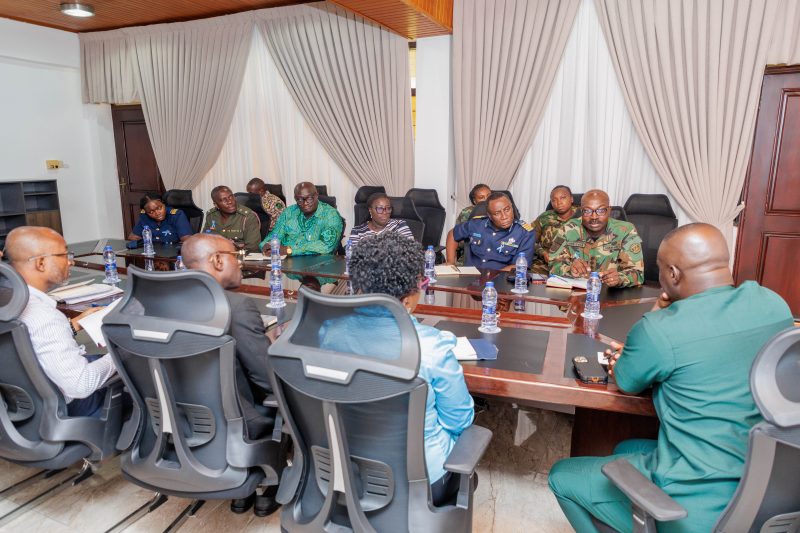
Discussions between the two institutions have produced a number of proposals aimed at strengthening prevention and intervention efforts. Among them is the establishment of Drug-Free Clubs within military barracks, targeting youth and dependants.
The clubs are expected to focus on practical life skills such as resilience, stress management, assertiveness, resisting peer pressure, and making informed life choices, rather than relying solely on drug awareness campaigns.
NACOC also outlined plans to operationalise the Substance Use Disorder (SUD) Fund to support treatment and recovery programmes. In addition, the Commission intends to expand access to care through the establishment of more Drop-in Centres across the country.
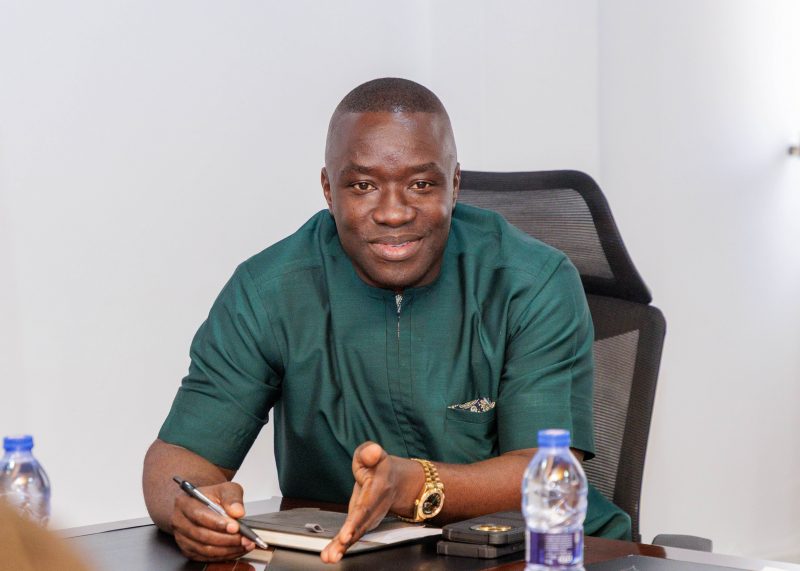
These centres are designed to provide free, walk-in counselling and immediate support for individuals struggling with substance use.
As part of its recommendations, NACOC proposed the integration of screening tools into routine medical and psychological assessments within the Armed Forces. This is expected to enable early detection of substance abuse and mental health conditions among personnel.
Further proposals include piloting a Drug-Free Barracks Initiative to promote healthier living environments within military communities and encouraging a culture that prioritises mental wellness while maintaining zero tolerance for drug misuse.
The Commission also recommended the creation of a confidential referral system linking military command units directly to NACOC’s counselling services. This would allow personnel in need of support to access professional help promptly and discreetly.
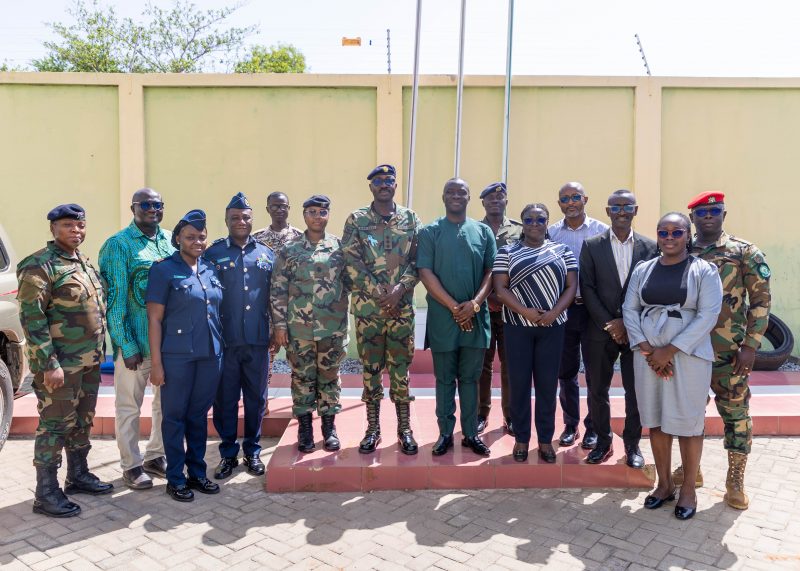
To strengthen institutional capacity, NACOC has offered to organise training programmes based on the Universal Prevention Curriculum (UPC) and Universal Treatment Curriculum (UTC) for GAF medical officers and command staff.
The collaboration represents a significant step in modernising healthcare support within the Ghana Armed Forces and reflects growing recognition of mental health as a critical component of national security and military effectiveness.
Latest Stories
-
Competence has no age; let’s stop punishing new businesses
1 minute -
JoyNews Republic Bank Habitat Fair 2026 kicks off today at Achimota Mall
5 minutes -
What Is Wrong With Us: The roads that keep counting our dead
9 minutes -
MTN condemns recent xenophobic attacks on Ghanaians in South Africa
13 minutes -
Philip Nai: What happens at your front desk can make or break your brand
24 minutes -
Ghana’s mining deaths fall sharply, but Chamber insists ‘three deaths are too many’
2 hours -
Tatale Sanguli officials destroy expired food products, warn traders
2 hours -
Police arrest two watchmen over alleged defilement of 14-year-old student
2 hours -
The woman behind General Mosquito: Could Ghana be meeting its next First Lady?
2 hours -
Court remands man over alleged Labone bank robbery attempt
2 hours -
Supreme Court to rule on injunction application on legal vacation today
2 hours -
Tamale Metropolitan Assembly distributes 10,000 bags of fertiliser to farmers
2 hours -
TUSAAG suspends strike, resumes work after renewed talks with government
2 hours -
PIAC marks 15 years of oil revenue accountability and transparency
2 hours -
Adongo calls for non-political interference in $1.46bn Heritage Fund review
3 hours