

Audio By Carbonatix
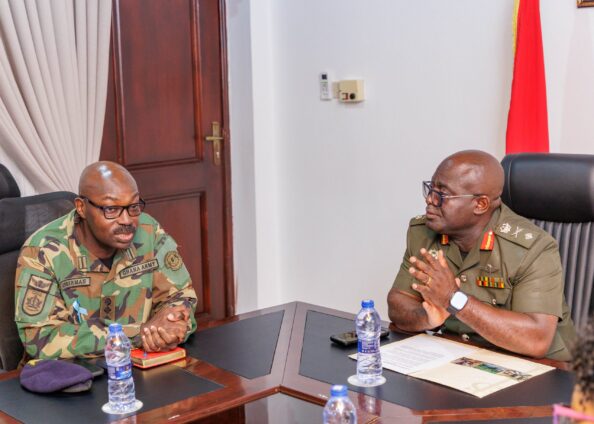
The Ghana Armed Forces (GAF) is advancing efforts to strengthen the mental wellbeing of its personnel with the development of a comprehensive Mental Health Policy aimed at addressing psychological challenges and substance use within the military.
The policy, currently being developed by the GAF Mental Health Policy Committee, is being shaped through collaboration with key stakeholders.
As part of this process, the committee is working closely with the Narcotics Control Commission (NACOC) to align with national strategies on substance use prevention, treatment, and rehabilitation.
The initiative underscores the Armed Forces’ commitment to promoting mental wellness while enhancing operational readiness through improved health support systems.
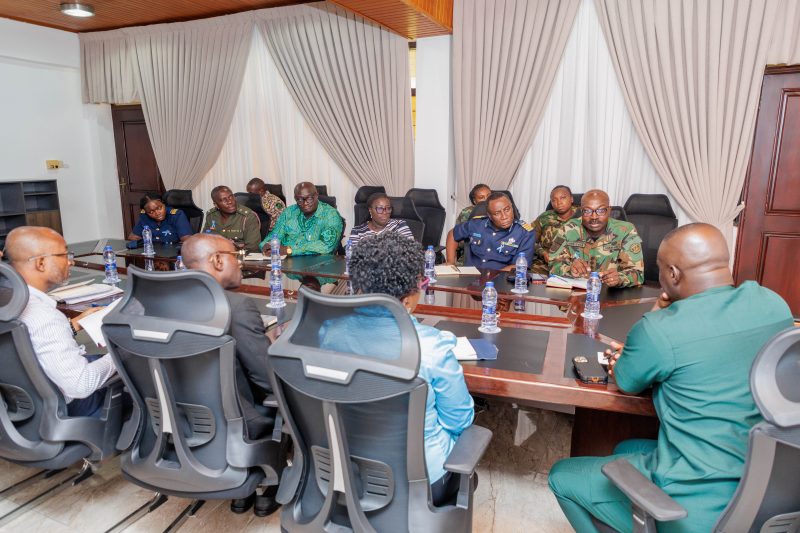
Discussions between the two institutions have produced a number of proposals aimed at strengthening prevention and intervention efforts. Among them is the establishment of Drug-Free Clubs within military barracks, targeting youth and dependants.
The clubs are expected to focus on practical life skills such as resilience, stress management, assertiveness, resisting peer pressure, and making informed life choices, rather than relying solely on drug awareness campaigns.
NACOC also outlined plans to operationalise the Substance Use Disorder (SUD) Fund to support treatment and recovery programmes. In addition, the Commission intends to expand access to care through the establishment of more Drop-in Centres across the country.
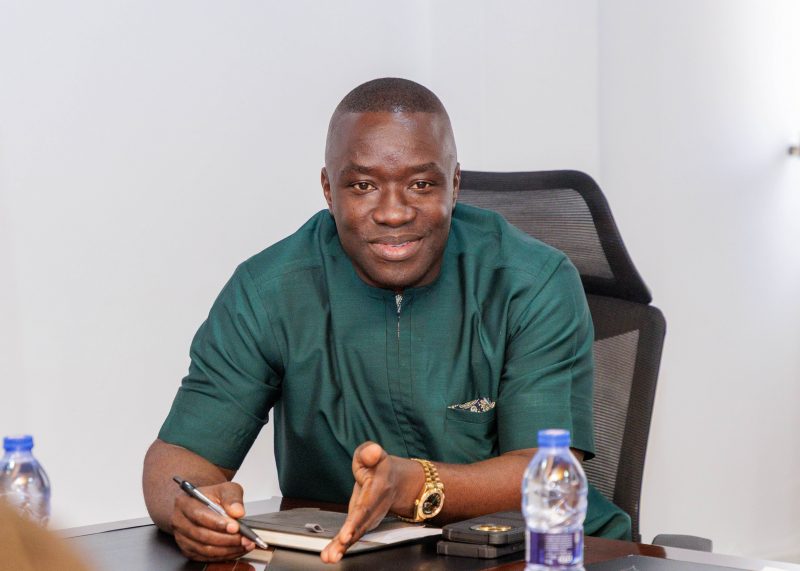
These centres are designed to provide free, walk-in counselling and immediate support for individuals struggling with substance use.
As part of its recommendations, NACOC proposed the integration of screening tools into routine medical and psychological assessments within the Armed Forces. This is expected to enable early detection of substance abuse and mental health conditions among personnel.
Further proposals include piloting a Drug-Free Barracks Initiative to promote healthier living environments within military communities and encouraging a culture that prioritises mental wellness while maintaining zero tolerance for drug misuse.
The Commission also recommended the creation of a confidential referral system linking military command units directly to NACOC’s counselling services. This would allow personnel in need of support to access professional help promptly and discreetly.
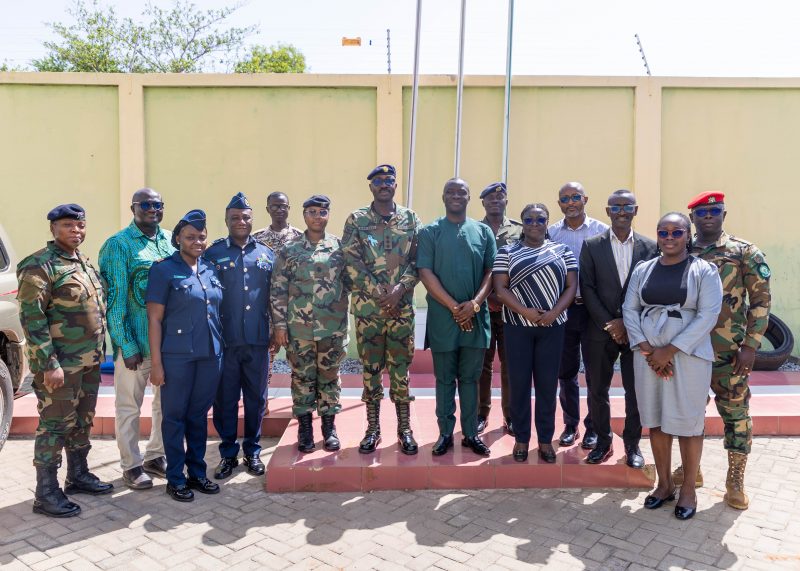
To strengthen institutional capacity, NACOC has offered to organise training programmes based on the Universal Prevention Curriculum (UPC) and Universal Treatment Curriculum (UTC) for GAF medical officers and command staff.
The collaboration represents a significant step in modernising healthcare support within the Ghana Armed Forces and reflects growing recognition of mental health as a critical component of national security and military effectiveness.
Latest Stories
-
UNICEF Ghana launches first Children’s Film Festival to amplify children’s voices
1 minute -
Ghana must close gaps that allow drug trafficking – Dr Pelpuo
9 minutes -
Emmanuel Osei: President Mahama, dissolve GFA and save our soul
22 minutes -
Uganda Airlines to launch direct Accra-Entebbe flights from October 27
24 minutes -
Ghana records surge in 2025 tourism receipts as Ahafo Region honors top industry players
26 minutes -
I don’t have an official car, I use my own – Pelpuo
37 minutes -
Maiden Black Star Fashion Week to highlight Ghana’s national fashion platform
37 minutes -
GPRTU has entrusted vehicle inspection responsibility to station masters – GPRTU member
37 minutes -
President Mahama to open housing finance conference in Accra on October 7
45 minutes -
Cocaine probe: Speaker is right in dismissing Minority’s motion of parliamentary inquiry – Dr Pelpuo
45 minutes -
Academic City presents cybersecurity white paper to Communications Minister
46 minutes -
Pelpuo calls for independent commission to oversee Ghana’s public sector remuneration
46 minutes -
Bekwai MP to engage Assembly over traders displaced by market redevelopment
48 minutes -
Accra-Abidjan flight relaunch will boost trade, investment and regional integration – Ambassador Alhassan Abu
49 minutes -
Mahama tasked me to identify initiatives that fit Reset Agenda – Pelpuo
50 minutes