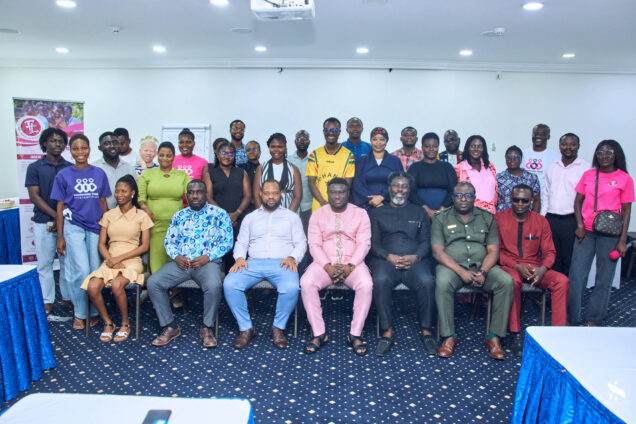
Stakeholders, research participants, and development partners gather for a group photograph at the Amplifying Voices Dissemination Meeting
Audio By Carbonatix
Young persons with disabilities in Ghana are calling for an end to tokenistic inclusion, demanding direct access to decision-making spaces, budget allocations, and funding mechanisms that cut out bureaucratic intermediaries.
At the launch of the Amplifying Voices project, a 2025 collaborative initiative by FHL Group Africa and Community Desk International (CDI), with support from Roddenberry Foundation stakeholders, unveiled stark findings.
The gathering agreed that despite years of advocacy, young persons with disabilities remain systematically excluded from governance structures, over-trained but underutilized, and largely invisible in national budget planning.
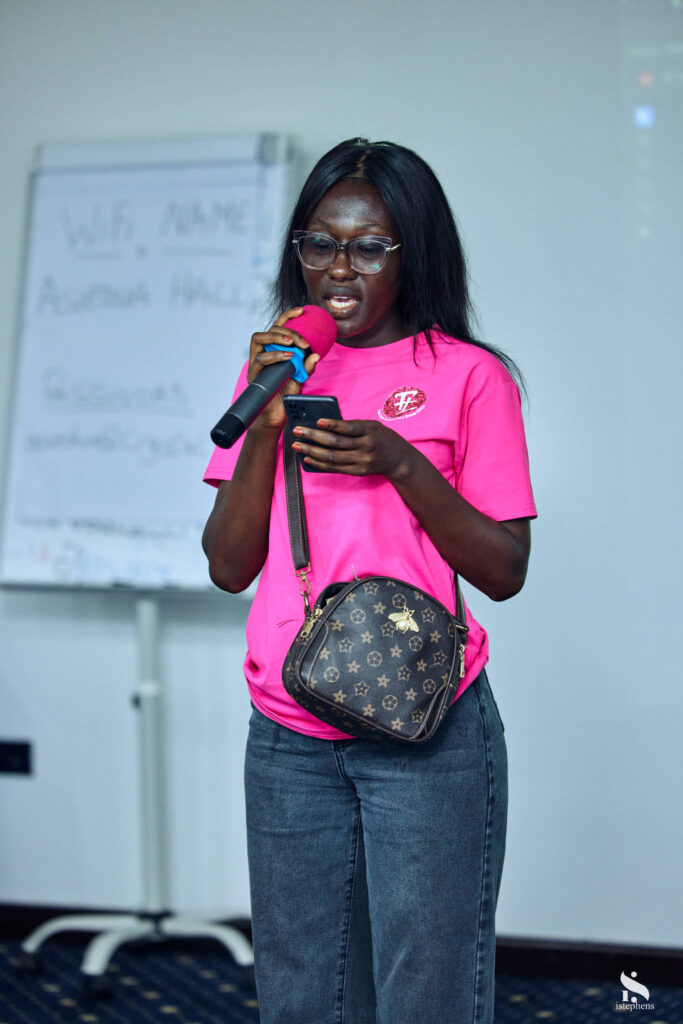
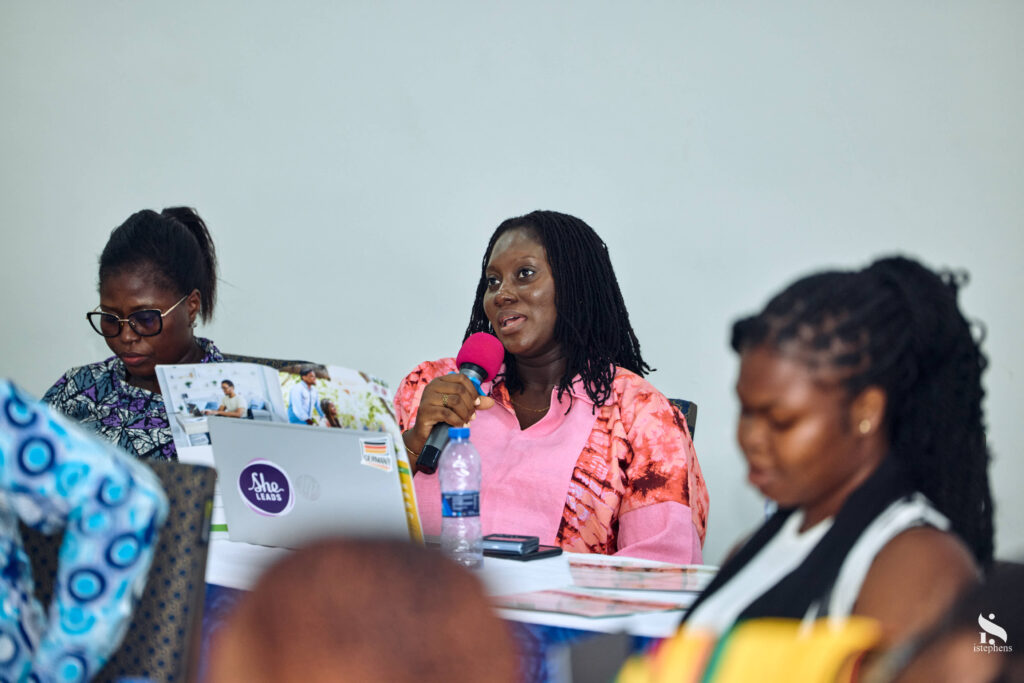
Speaking through Program Manager Patience Entsie of FHL Group Africa, Founder Naa-Amy Wayne delivered a welcome address.
Ms. Patience Entsie, Program Manager at FHL Group Africa, delivers the welcome address on behalf of the organisation's founder at the Amplifying Voices Dissemination Meeting
"The Amplifying Voices project was born out of a clear and urgent recognition: that young persons with disabilities in Ghana have long been treated as a single, homogenous group, when in truth, they are a richly diverse community, each navigating distinct realities shaped by gender, geography, the nature of their disability, and the systems that either support or fail them."
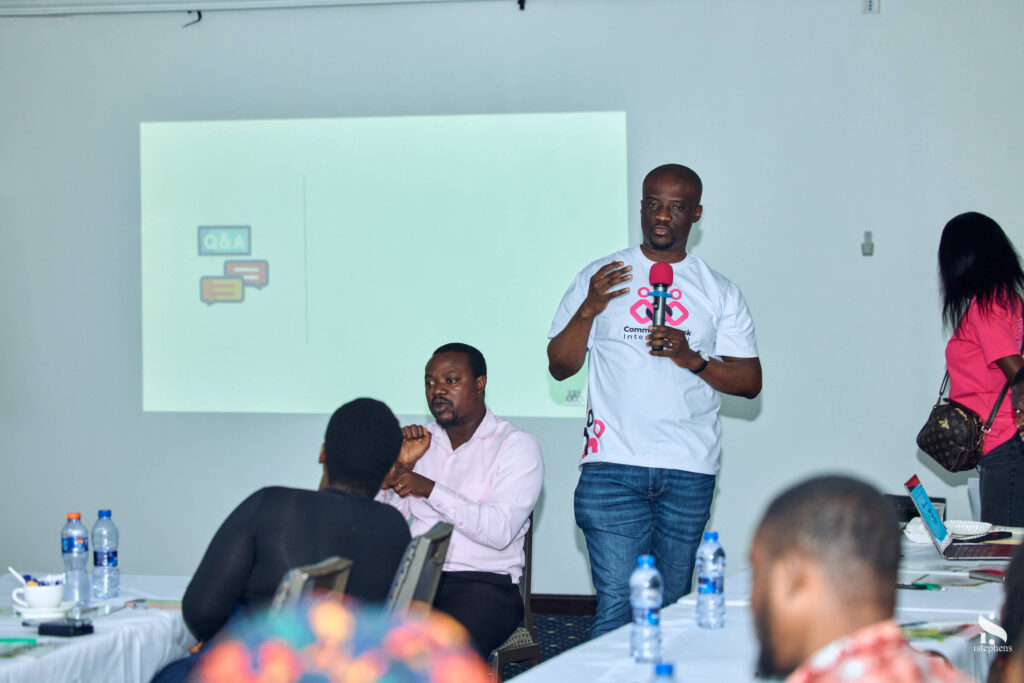
Mr. Kwasi Manu of Community Desk International (CDI) presents the research findings to stakeholders and development partners at the Dissemination Meeting
"The findings elevate the voices of young persons with disabilities and reaffirm a simple truth: policies and programmes are more effective when shaped by their lived experiences," said the research presenter. "They also provide an opportunity to translate evidence into action and ensure no one is left behind."
The research, conducted in Accra using an exploratory qualitative approach grounded in design research principles, identified four critical barriers.
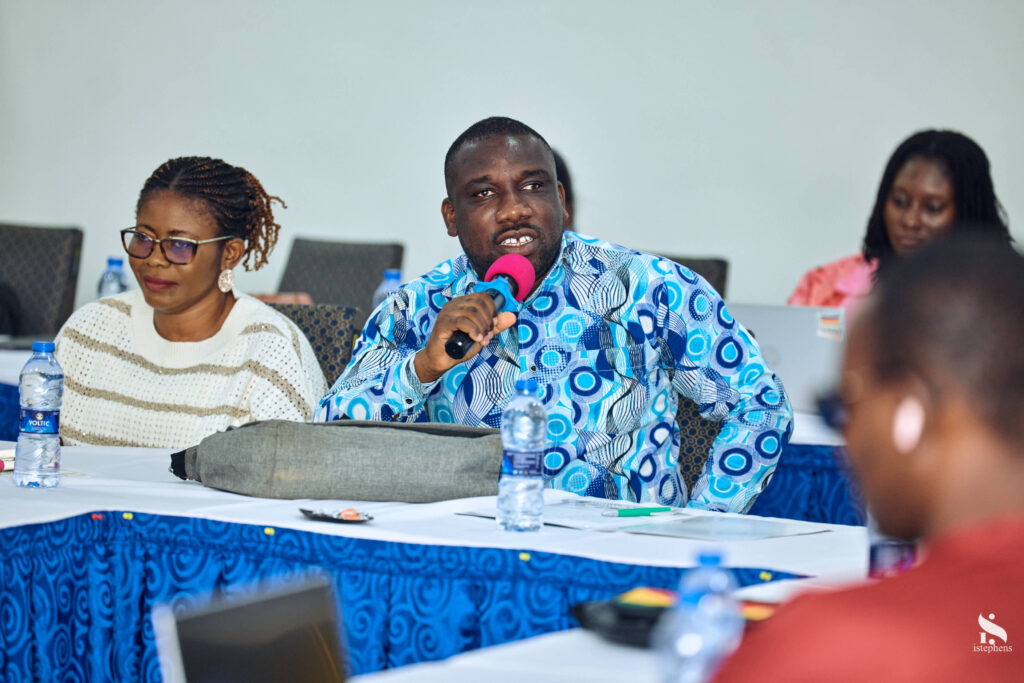
Bismark Amoh, representing the Ghana Federation of Disability Organisations (GFD), raises questions and offers contributions following the presentation of the research findings.
Leadership & Inclusion Gaps – Young persons with disabilities are consistently absent from decision-making structures. Inclusion, researchers argued, must be intentionally designed into institutions, not merely assumed.
Funding & Budget Barriers – Disability inclusion is routinely deprioritised in national budgets. Participants called for sustained advocacy targeting Ghana’s Ministry of Finance to shift priorities.
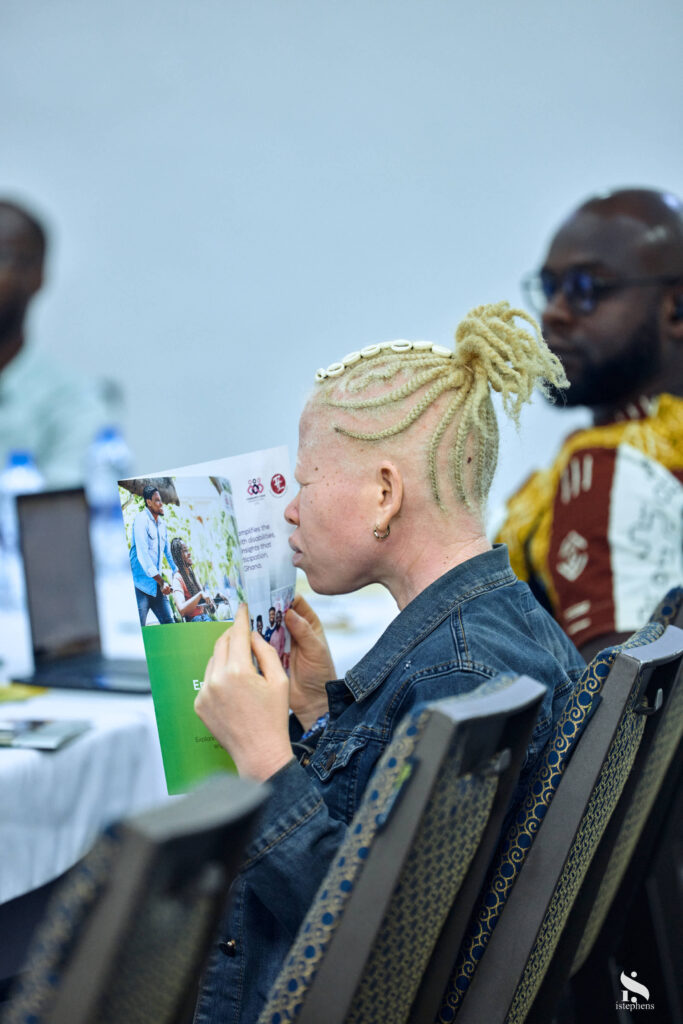
Ms. Bernice Yawo Agboada, a research participant, reviews the findings report .jpg
Overemphasis on Training Without Application – A damaging pattern of "overtraining" emerged: individuals receive repeated skills training but no platforms to apply them, draining programme impact.
Inadequate Infrastructure & Accessibility – Physical venues and public institutions remain inaccessible. Assistive technologies are either underutilised or completely out of reach.
Ms. Joyce Darko, of Plan International, contributes to discussions on the research findings
The Amplifying Voices project, launched in 2025, aims to move disability inclusion from tokenistic consultation to built-in, rights-based participation. Strategies emerging from the meeting include embedding inclusion from programme design through to evaluation, leveraging social media to engage young persons with disabilities, and strengthening monitoring systems with clear accountability indicators.
One of the most concrete proposals is a direct funding card system, similar to an ATM card, that would allow transparent, direct disbursement of financial support to beneficiaries, eliminating intermediaries and promoting genuine independence.
Kwasi Manu, Co-Founder of Community Desk International, available for further comment on the research findings, emphasised that evidence must now translate into binding action.
A representative of the Ghana Federation of Disability Organisations (GFD) delivered a pointed message to funders:
"This research gives us the evidence base we have long needed to advocate with authority. It reflects the lived realities of young persons with disabilities, and now, funding partners must step up to ensure the recommendations do not remain on paper."
The first phase of Amplifying Voices focused on generating contextual evidence using a youth agency for social change model. Going forward, the initiative will prioritise policy dialogue, cross-sector engagement, and sharing findings with both public and private actors.
DISCLAIMER: The Views, Comments, Opinions, Contributions and Statements made by Readers and Contributors on this platform do not necessarily represent the views or policy of Multimedia Group Limited.
DISCLAIMER: The Views, Comments, Opinions, Contributions and Statements made by Readers and Contributors on this platform do not necessarily represent the views or policy of Multimedia Group Limited.