

Audio By Carbonatix
Introduction
On May 25, 2026 the management of Environmental Protection Authority announced ban on some selected plastic products. This announcement is undoubtedly, the major environmental policy to be announced in recent years, Ghana's environment is facing a crucial challenge of various environmental infractions ranging from deforestation to plastic pollution. According to Stoler (2017) almost 8.2 billion sachets of water are consumed in Ghana.
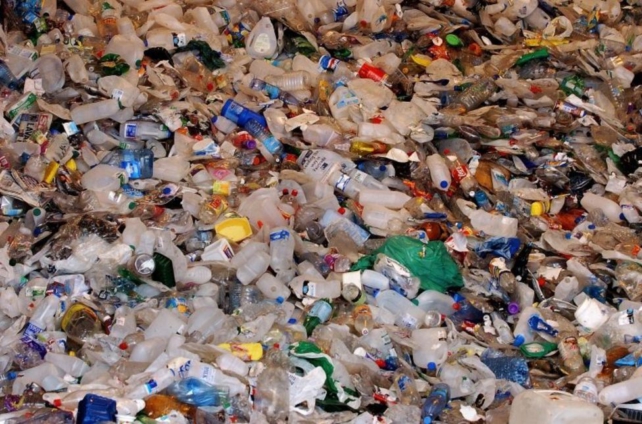
It is estimated that more than 3,000 metric tons daily and one million tonnes yearly of plastic waste are generated. An estimated 86 percent of Ghana's waste plastic load, is improperly disposed off resulting in plastics blocking up stormwater drains, rivers, and streams and ending up in the oceans. It is estimated that 250,000 metric tons of plastic waster are dumped from Ghana into the Atlantic Ocean (World Bank, 2020).
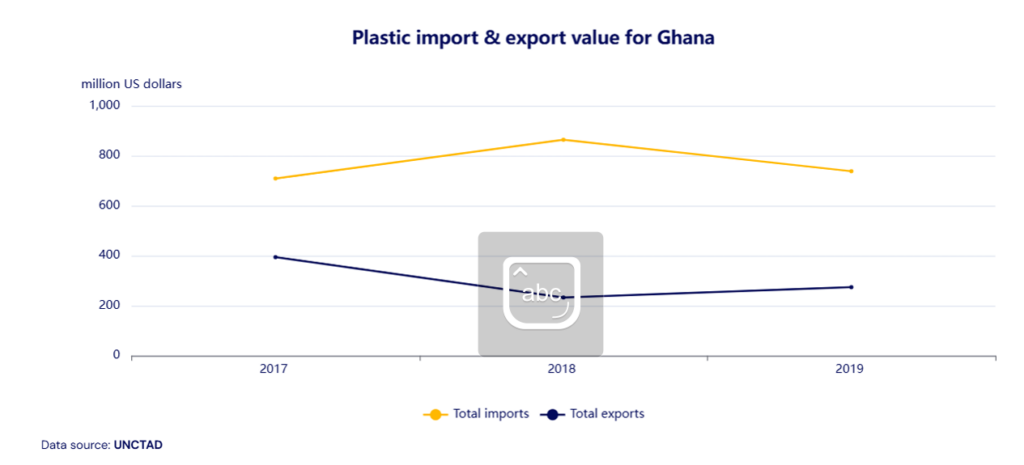
According to the United Nations Conference on Trade and Development (UNCTAD), Ghana imported plastic products worth approximately USD 2.311 billion between 2017 and 2019. In 2019 alone, the country recorded plastic imports valued at USD 738 million. Of this amount, 49% consisted of plastics in primary forms, 6% comprised plastics in intermediate forms, 8% represented intermediate manufactured plastic goods, while 36% accounted for final manufactured plastic products. Plastic waste imports represented less than 1% of the total imports.
Additionally, Ghana imported an estimated 46,000 tonnes of plastic packaging materials valued at approximately USD 56 million, most of which are associated with very short product lifecycles and contribute significantly to plastic pollution.
The Control Factors
Although there is a school of thought that believes environmental challenges can be effectively controlled, the reality is that while some environmental problems can be addressed immediately, others require long-term strategies, policies, and behavioural changes. One major environmental concern that demands urgent attention is the widespread use of plastics in restaurants, shops, offices, homes, and public events. The excessive dependence on single-use plastics, particularly takeaway packs and packaging materials, has significantly contributed to environmental pollution and poor sanitation in many communities.
Plastic waste continues to clog drainage systems, pollute water bodies, contaminate the soil, and threaten both human health and biodiversity. The situation is largely driven by human activities and irresponsible disposal practices, making it a critical human-induced environmental issue. Over the years, the continuous use of plastics without proper waste management systems has fuelled growing environmental disorder and increased the burden on sanitation authorities. However, recent policy interventions and increasing public awareness campaigns are helping to address this challenge. Government, environmental institutions, and stakeholders are introducing measures aimed at reducing plastic pollution through bans, regulations, recycling initiatives, and the promotion of environmentally friendly alternatives. These actions demonstrate a growing commitment toward controlling the human factors contributing to environmental degradation and ensuring a cleaner, safer, and more sustainable environment for future generations.
The Cost-Benefit Debate on Plastic Products in Ghana
In most discussions surrounding the proposed ban on plastic products in Ghana, the debate often focuses heavily on the cost alternative to plastic materials. While concerns about affordability and accessibility of alternatives are understandable and legitimate, this perspective frequently overlooks the broader environmental, social, and health consequences associated with the continued use of plastics. The conversation is therefore often reduced to immediate financial considerations, with little attention paid to the long-term cost imposed on society and the environment. Although plastic products may appear relatively cheap and convenient in the short term, their intrinsic costs are far greater than many people imagine. The widespread use and improper disposal of plastics have contributed significantly to environmental degradation across the country. Plastic waste continues to clog drainage systems, leading to severe flooding in many urban communities during rainy seasons. These floods destroy properties, displace families, interrupt economic activities, and in some instances result in loss of lives.
Moreover, plastic pollution contributes to poor sanitation and unhealthy living conditions in many communities. Improper disposal and burning of plastic waste release harmful chemicals and toxic gases into the atmosphere, posing serious health risks such as respiratory infections, skin diseases, and other environmental health hazards. Water bodies and farmlands are also increasingly polluted by plastic waste, threatening aquatic life, food systems, and biodiversity.
Beyond the environmental and health implications, the growing accumulation of plastic waste negatively affects Ghana's image as a nation. Streets, beaches, markets, and public spaces littered with plastic waste create an impression of poor environmental management and inadequate sanitation systems. This not only affects tourism and investment prospects but also undermines national efforts toward sustainable development and environmental sustainability.
For this reason, conversations about banning plastics should move beyond the narrow focus on financial cost alone. Greater attention must be given to the social, environmental, and public health impacts of plastic pollution. A comprehensive cost-benefit analysis should consider the long-term benefits of protecting the environment, improving public health, reducing flooding, enhancing sanitation, and promoting sustainable lifestyles for present and future generations.
Adopting Best Practices: The Way Forward in Ghana's Fight Against Plastic Pollution
Over the years, one thing I have personally observed in environmental management is that lasting environmental change does not happen merely through speeches, policies, or slogans. It happens when governments, businesses, and ordinary citizens intentionally change their behaviour and commit to sustainable practices over a long period of time. Ghana is gradually reaching that important turning point in the conversation on plastic pollution.
In recent programmes, conferences, restaurants, supermarkets, and public events across the country, there has been a noticeable increase in the use of paper bags, paper packaging, wooden cutlery, and other environmentally friendly alternatives to plastics. This shift may appear small to some people, but from practical experience in environmental sustainability work, these small behavioural changes often become the foundation for major national transformation. Years ago, conversations about replacing plastics were largely theoretical. Today, many businesses are beginning to understand that sustainability is no longer optional; it is becoming a necessity.
However, for this transition to succeed, Ghana must move beyond isolated efforts and adopt deliberate long-term policies that support local manufacturers producing eco-friendly alternatives. One of the biggest mistakes many countries make is announcing bans without first strengthening local production capacity. If alternatives are unavailable or too expensive, people naturally return to plastics. Government therefore has a responsibility to support industries producing paper packaging, reusable containers, biodegradable products, and sustainable materials through tax incentives, financing opportunities, technical support, and market access. According to Benyah (2026), businesses are more likely to engage in green procurement practices when tax incentives and supportive environmental policies are effectively implemented. A practical example I witnessed personally was during my recent visit to Rwanda. In almost every restaurant, hotel, event venue, and eatery I visited, reusable ceramics, metal spoons, glass cups, and sustainable serving materials were the standard practice. Plastic takeaway packs and disposable plastic spoons were virtually non-existent. What struck me most was that the system worked not because people were forced daily, but because government policy had, over time, shaped public attitudes and business culture. Environmental responsibility had become normal behaviour.
That experience demonstrated an important lesson: environmental transformation is possible when policy enforcement is matched with public education and attitudinal change. Rwanda did not achieve that overnight. It required consistency, political will, strict enforcement, investment in alternatives, and public cooperation over several years.
In Ghana, the recent announcement by the Environmental Protection Authority regarding the planned ban on Styrofoam and certain plastic products is therefore a step in the right direction. But policy announcements alone will not solve the problem. Citizens must actively support the initiative by changing consumption habits, while businesses must begin investing in sustainable alternatives instead of resisting reforms solely to protect short-term profits. From practical observation, resistance often comes from stakeholders worried about immediate business costs. That concern is understandable, especially for small businesses operating with limited resources. However, environmental policy decisions of this magnitude must focus on the long- term national interest rather than short-term convenience. The environmental cost of plastic pollution; flooded drains, poor sanitation, toxic air pollution, contaminated water bodies, and increasing health risks are far more expensive than the temporary adjustment cost businesses may face today. For Ghana to succeed, collaboration will be essential. Government agencies, manufacturers, hospitality operators, food vendors, event organisers, local assemblies, environmental groups, and consumers must work together toward a common national goal. Enforcement must be fair and consistent, public education must remain continuous, and affordable alternatives must be made accessible to the public.
Ultimately, adopting best practices is not about copying other countries blindly. It is about learning from systems that work and adapting them to Ghana's realities. If the country remains committed to this transition with seriousness and collective responsibility, Ghana can significantly reduce plastic pollution, improve sanitation, protect public health, and create a cleaner and more sustainable future for generations to come.
About the author.

Chris Benyah is a climate finance and sustainability researcher based in Accra. He holds an MSc in Procurement and Supply Chain Management from the University of Ghana Business School and has an academic background in Banking and Finance. He currently serves as a Programme Officer at the Environmental Protection Authority, where he supports environmental governance, climate action, and sustainability initiatives. Christopher is a member of the Principles for Responsible Management Education Students network and part of the consortium on Strengthening Conflict Management and Transformation Studies in Africa (CONMAT). He also has a certificate in the Climate Governance, Diplomacy and Negotiations Leadership Programme from the African Group of Negotiators Experts Support (AGNES). In addition, he is the Co-founder and Chief Executive Officer of Smarteco Global Project, a climate advocacy organisation focused on promoting environmental sustainability, climate awareness, and community engagement initiatives in Ghana.
Latest Stories
-
Who is the ‘hero’ Indian pilot who was stabbed on Israel-bound flight?
2 minutes -
NPP External Branches demand 90-day roadmap for ROPAA implementation
3 minutes -
No sustainable digital economy without trust, cybersecurity – CSA
6 minutes -
SSNIT increases stake in Société Générale Ghana to 24.36%
9 minutes -
Ghana-Colombia port deal sparks fresh cocaine trafficking security concerns
9 minutes -
EOCO moves to search Baffour Awuah’s office, residence after interrogation
16 minutes -
GoldBod, Kyrgyzstan discuss partnerships in gold and critical minerals
17 minutes -
SMEs can use vehicles, movable assets as collateral under Borrowers and Lenders Act
18 minutes -
Two dead in Canada after vehicle hits pedestrians taking part in First Nations event
20 minutes -
Cornell case highlights ‘draining’ maze for victims to report campus sex assaults
21 minutes -
Minority demands immediate suspension of Ghana-Colombia maritime deal over cocaine concerns
22 minutes -
Konadu Irrigation Project reaches 96% completion, set for commissioning in one month
22 minutes -
Joyce Bawah Mogtari calls for sustained investment in Ghana’s legal profession
25 minutes -
Close salary gap between lower bench and superior court judges—JUSAG
26 minutes -
Police arrest three over GH¢100,000 ransom demand in Yendi kidnapping case
31 minutes