

Audio By Carbonatix
“All work and no play makes Jack a dull boy” is a familiar saying, but one that carries an important lesson about the need for balance, especially when it comes to children and education.
For generations, the word vacation meant one thing to Ghanaian students: a break from school. In other words, it was a time to sleep a little longer, visit family, play with friends, travel, learn a skill, participate in church activities, read for pleasure, help at home or simply have time to rest.
Today, however, that meaning appears to be changing.
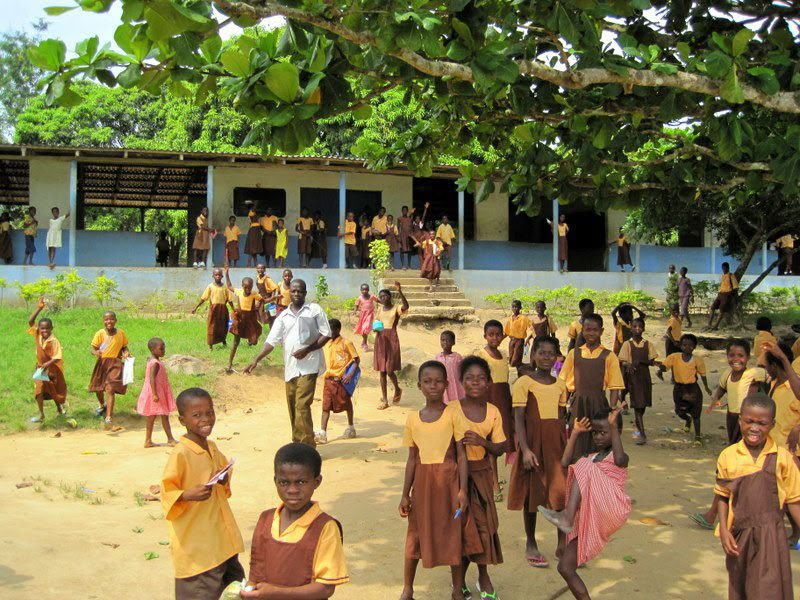
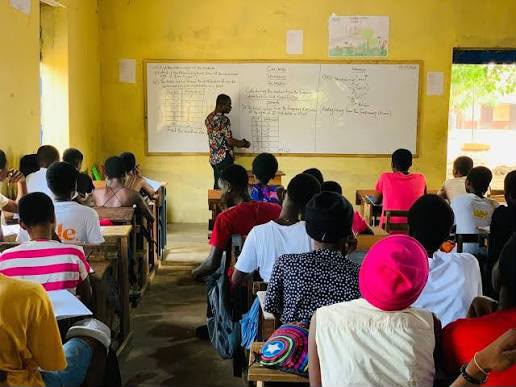
For many students, particularly those in private schools and increasingly some public schools, the end of the academic term no longer necessarily means the end of lessons. Instead, classrooms reopen for what are commonly known as vacation classes or, in some cases, “summer school”. These programmes may offer academic revision alongside coding, robotics, creative arts, sports and other activities.
As a result, this trend raises a simple but important question: if students are supposed to be on vacation, why are many of them still in school?
The Purpose of Vacation for Students
To begin with, a school vacation is not merely an empty period in the academic calendar. Rather, it provides students who spend months dealing with lessons, assignments, tests and examinations an opportunity to rest, reconnect with family and friends, play, explore their interests and recover from the demands of schoolwork.

That said, this does not mean children should stop learning when school closes. On the contrary, reading, practising mathematics, learning a musical instrument, developing digital skills or participating in a structured programme can all be productive.
However, the key issue here is balance.
In fact, education does not only happen inside a classroom. Children also learn through play, practical experiences, relationships, hobbies and everyday life. Therefore, vacation can provide opportunities for forms of learning and development that the regular school timetable may not always accommodate.
Nevertheless, the growing culture of vacation classes suggests that, for many children, the break from school is becoming increasingly difficult to separate from school itself.
How Did Vacation Classes Become So Common?
At this point, it is important to note that there is no single moment that can be identified as the beginning of vacation classes in Ghana. However, the country has a long history of extra classes, including after-school, weekend and holiday lessons.
For instance, in 1995, the government introduced a policy banning extra classes organised by individual teachers or groups of teachers on school premises and public buildings when students were charged additional fees. Despite this, extra classes continued in different forms.

Similarly, in 2017, the Eastern Regional Director of Education also cautioned teachers against charging students for vacation and extra classes.
Over time, what was once largely viewed as additional academic support appears to have developed into a more organised and widespread vacation industry, particularly within the private-school sector. In fact, a 2024 Ghana News Agency report on summer schools in Tema noted that almost all private schools in Ghana, particularly in Greater Accra, organise summer programmes, with some even accepting students from outside the school.
Although the terminology may have changed, the underlying practice remains familiar as students spend parts, if not the entire period, of their school break in organised learning.
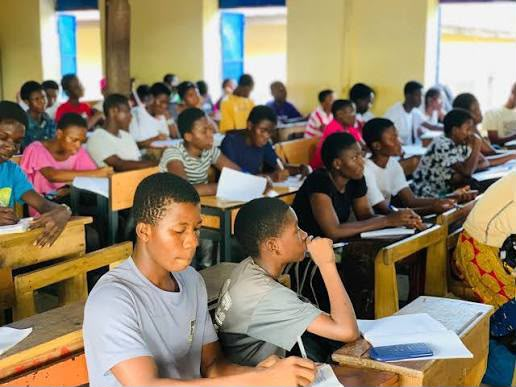
Are These Vacation Classes Meant for Educational Purposes or Merely Business?
This is where the debate becomes uncomfortable as on one hand, schools have expenses. Teachers need to be paid, while educational materials, facilities, transportation and specialist activities all come at a cost. Therefore, a well-designed vacation programme that provides students with meaningful academic or practical experiences can reasonably justify an additional fee.
However, the problem begins when participation stops being genuinely voluntary.
In other words, there is a clear difference between a school saying, “We are offering an optional programme to help students improve their mathematics, reading and digital skills,” and creating the impression that, “If your child does not attend and pay, he or she will fall behind.”
Consequently, when parents feel they have no real choice, an educational opportunity can start looking like an unofficial additional school fee simply put extortion.
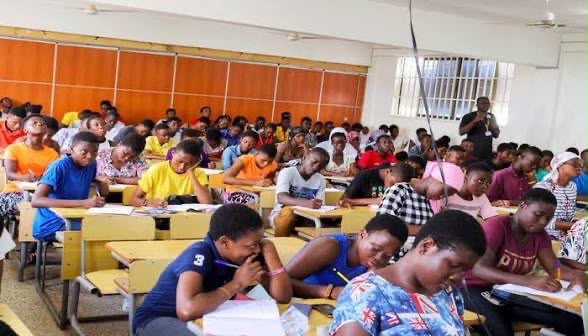
This concern becomes even more serious when regular classroom instruction is inadequate, thereby leaving parents feeling that they must pay for these additional lessons simply to ensure their children receive the education they should already be getting during the normal school term.
Closely related to this issue is perhaps the most important question: what happens to parents who cannot afford these vacation classes?
For example, while one child may spend six weeks attending these programmes, another may remain at home because the family cannot afford the fees. By the time school resumes, the first child may already have covered material that the second has not seen.
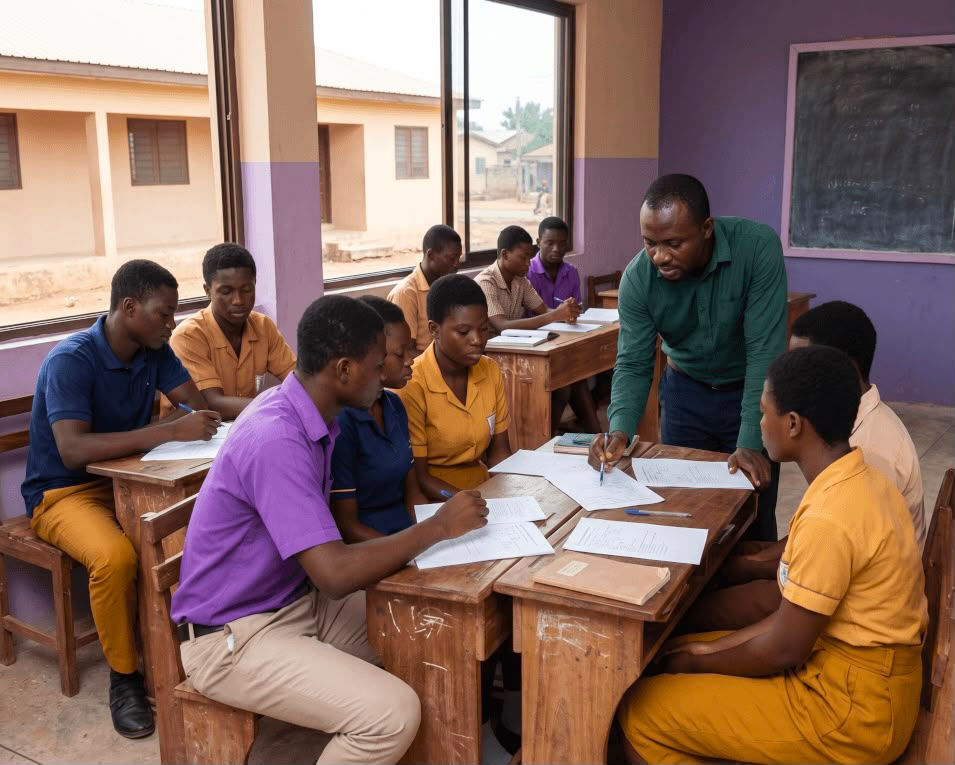
In such a situation, if that child subsequently struggles academically, should the parents be blamed simply because they could not afford additional classes?
The answer is not necessarily.
After all, families have different incomes, responsibilities and financial situations. Therefore, a parent who cannot afford vacation classes is not automatically neglecting his or her child. Ultimately, education should not become a system where children from wealthier families can continually purchase additional academic advantages while others are left trying to catch up.

The Pressure to Keep Up
In addition to financial concerns, another major factor driving the growth of vacation classes is parental anxiety.
Once many children begin attending, parents whose children stay home may start asking themselves: “What if my child falls behind?” “What if everyone else is ahead when school resumes?” or “What if the teacher covers something important?”
Gradually, the decision becomes less about whether the child actually needs additional lessons and more about keeping up with everyone else. In this way, an optional programme can slowly transform into an unofficial requirement.
This then leads to a bigger question that must be asked: if students genuinely require several additional weeks of structured learning each year, why not consider extending the academic year rather than turning every vacation into another period of formal instruction?

Put differently, what is the real purpose of going on vacation if schoolwork is going to continue throughout the period?
Certainly, it is worth acknowledging that some students may need extra academic support, particularly those struggling with specific subjects or examination candidates who may benefit from intensive revision. However, these needs may not apply to every student.
And if the case is schools regularly running out of time to complete the curriculum, perhaps the issue lies in how the academic year is structured, how teaching time is used and whether students are receiving sufficient instruction during the normal school term.
In any case, the solution cannot simply be to add extra structured schoolwork for pupils at an additional fee.
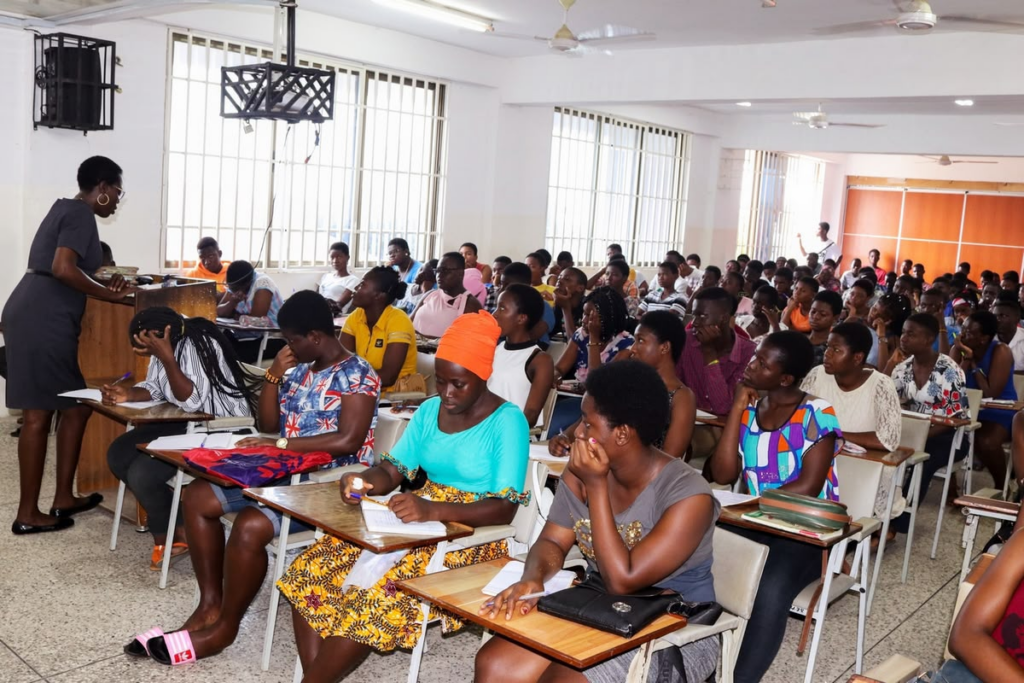
That being said, it is important not to paint every vacation programme with the same brush as bad.
When thoughtfully designed, vacation classes can provide meaningful academic support and opportunities to develop skills beyond the regular curriculum. For instance, a student struggling with mathematics can use the break to improve, while another child might discover coding, robotics, music, art, sports or entrepreneurship.
In addition, a well-designed programme can offer practical experiences that may not fit easily into the normal curriculum.
Therefore, the real question is not simply whether vacation classes are good or bad. Rather, it is whether the programme is necessary, genuinely beneficial and truly voluntary, and whether it provides something the child actually needs.

At the same time, Ghana may also need to rethink what it wants school vacations to achieve.
A vacation does not have to mean abandoning learning. Instead, it can give children the opportunity to learn in ways the classroom may not always provide. For example, children can read, play sports, help at home, learn a trade, develop a hobby, spend meaningful time with family or simply rest.
In doing so, these experiences can build practical skills, creativity, independence, relationships and emotional well-being, all of which are essential to a child’s development.
And perhaps, in the end, that is the wisdom behind the old saying: “All work and no play makes Jack a dull boy.”
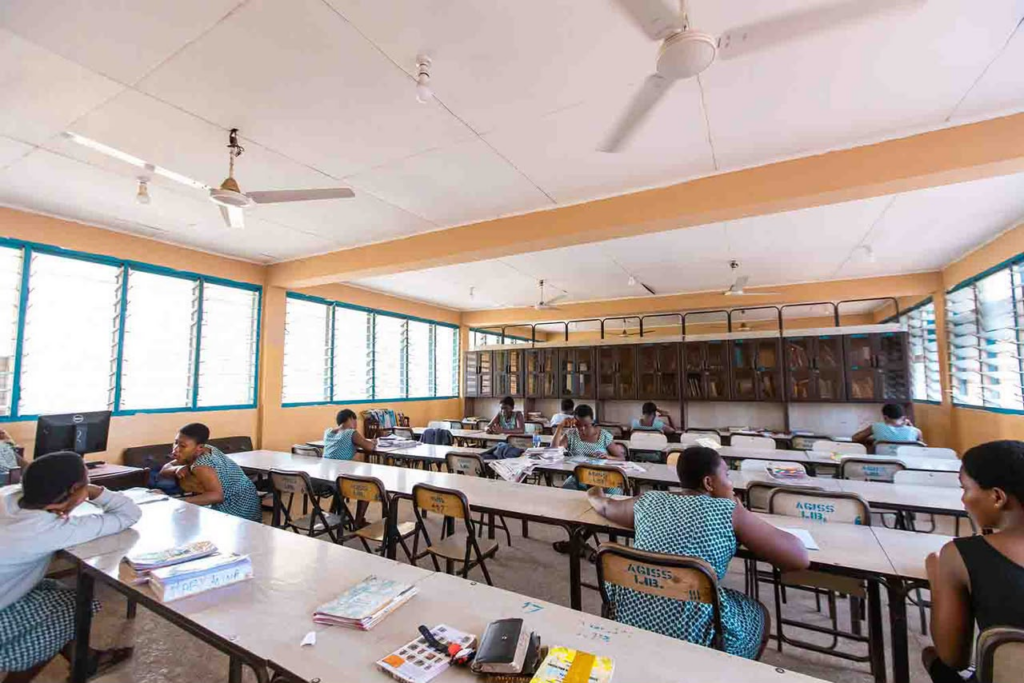
In conclusion, if vacation classes are genuinely optional, provide meaningful value and do not disadvantage children whose parents cannot afford them, then they can be useful.
However, if parents feel forced to pay because they fear their children will otherwise fall behind, then Ghana has a bigger issue to address.
Ultimately, a school vacation should give children room to rest, grow and learn differently. It should not become another financial test for their parents.
Latest Stories
-
Ghana lose Morocco friendly as Atlas Lions turn to Mali
39 minutes -
2026/2027 GPL: Kelvin Nkrumah strike sends Medeama top of league table
45 minutes -
Emmanuel City crowned champions of maiden Global Game Scouting Tournament
54 minutes -
Thomas Partey loses father Jacob Teye Partey
1 hour -
Martin Kpebu explains when EOCO can arrest Manhyia South MP after securing court warrant
1 hour -
EOCO’s reasons for seeking Manhyia South MP arrest warrant not justified – Kpebu
1 hour -
MTN Ghana warns SMEs against sharing PINs amid digital fraud risks
1 hour -
Yendi nursing students warn restricted access to skills lab could affect their training
1 hour -
Minority awaits formal notice of arrest warrant for Manhyia South MP – Annoh-Dompreh
2 hours -
LTIF announces 2026 Pan-African edition in Accra from October 6-7
2 hours -
Mfantsipim needs broader funding partnerships to bridge infrastructure gap – Prof Baiden
2 hours -
MP status must not shield anyone from law enforcement – Kwakye Ofosu
2 hours -
EOCO had tactical team ready to arrest Baffour Awuah – Felix Kwakye Ofosu
2 hours -
Afoko can unite NPP’s factions, says Charles Owusu Juanah
2 hours -
Guardiola backing Man City after guilty verdicts
2 hours