

Audio By Carbonatix
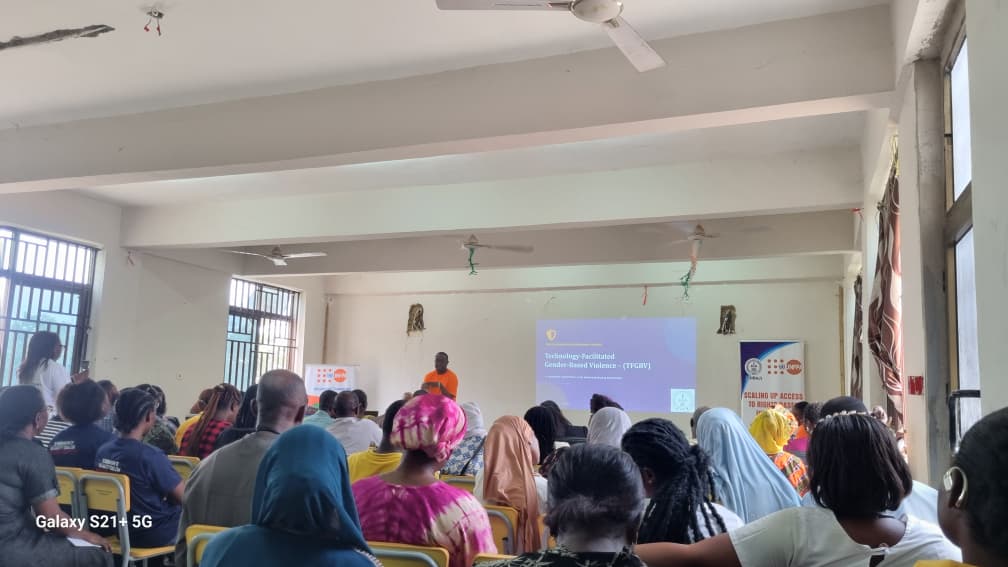
The Commission on Human Rights and Administrative Justice (CHRAJ) held a day-long training on how community leaders, members, and grassroots organisations can support ongoing efforts to end Gender-Based Violence (GBV) in the Asokore Mampong Municipality of the Ashanti region.
The United Nations defines GBV as any harmful act perpetrated against a person's will, based on socially ascribed differences between males and females, or unequal power dynamics tied to gender.
Ghana passed the Domestic Violence Act in 2007 to criminalize abusive conduct within domestic spaces.
Yet, GBV across the country remains a critical human rights and public health challenge affecting women, men, and children.
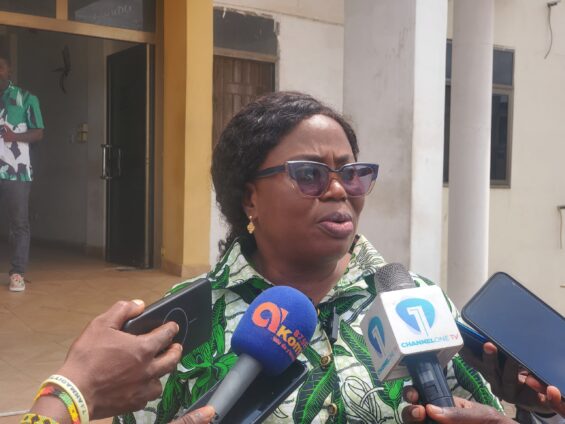
Speaking during the training, the Deputy Commissioner of CHRAJ, Mercy Larbi, addressed neglect and poverty as drivers of abuse.
“Some parents don’t even know where their children sleep. Parents will spend money on funerals instead of providing necessities. Meanwhile, young men entice girls with fried rice and mobile data.
"Parents can easily prepare these meals at home to prevent children from falling into risky behaviour,” she explained.
Beyond prevention, the workshop emphasised support for teenage girls who become victims of abuse, such as pregnancy.
“We should not leave them. They can go back to school or learn a trade. That way, we break the poverty cycle and build stronger families,” Ms Larbi advised.
On political participation, the training referenced Ghana’s Affirmative Action Act, which sets targets of 30% women in leadership by 2026, 35 per cent by 2028, and 50 per cent by 2030.
“Out of 16 assembly members, only one is a woman. Parliament has just 41 women out of 276. We must change this—not by appointing women simply because they are women, but by ensuring qualified women are given opportunities,” Ms Larbi added.
The commission commended the community and urged residents to take ownership of the fight against GBV, emphasising that protecting children and empowering women are essential to building a just and inclusive society.
Latest Stories
-
Effects of Technology Governance on Business Sustainability in Ghana: Critical analysis of strategies
24 seconds -
NPP Chairmanship race: John Boadu picks No. 1 slot, Crabbe No. 2, Afoko No. 3, Boakye Agyarko No. 4
13 minutes -
World Bank findings strengthen calls for parliamentary probe into GoldBod – Minority
15 minutes -
Ghana’s electricity generation continues to decline, recorded peak demand of 3968MW in July 2026 – PURC
16 minutes -
UniMAC SOJAMS, Northwestern University partner to give students hands-on journalism experience
23 minutes -
Passengers stranded at Aayalolo Tudu Terminal as drivers strike over unpaid bonuses
30 minutes -
The Inconvenient Truth: Debt does not make a nation poor; wasting it does
33 minutes -
Stonebwoy ignites new ‘beef’ with Sarkodie in social media posts
40 minutes -
GTP, Woodin acquisition puts local private equity expertise in the spotlight
47 minutes -
BoG affirms 8 ± 2% inflation target
51 minutes -
CHRAJ holds training on ending gender-based violence
52 minutes -
GPL 2026/27: Debibi United coach Nii-Armah apologises over ‘racist’ comments
58 minutes -
Beyond the F9 Barrier: Why Ghana needs a Universal Secondary Education Transition and Remediation Programme
1 hour -
GES disowns fake EduPack notice directing SHS, TVET boarding students to pay
1 hour -
Every improved public road to get electronic tolling system – Agbodza
1 hour