


Audio By Carbonatix
Founder and Executive Chairman of McDan Group, Dr Daniel McKorley, has cautioned entrepreneurs against allowing their businesses to remain overly dependent on them as they grow.
According to him, many businesses begin to struggle when they transition from a small, founder-led operation into an expanding enterprise without putting proper systems, structures and corporate governance in place.
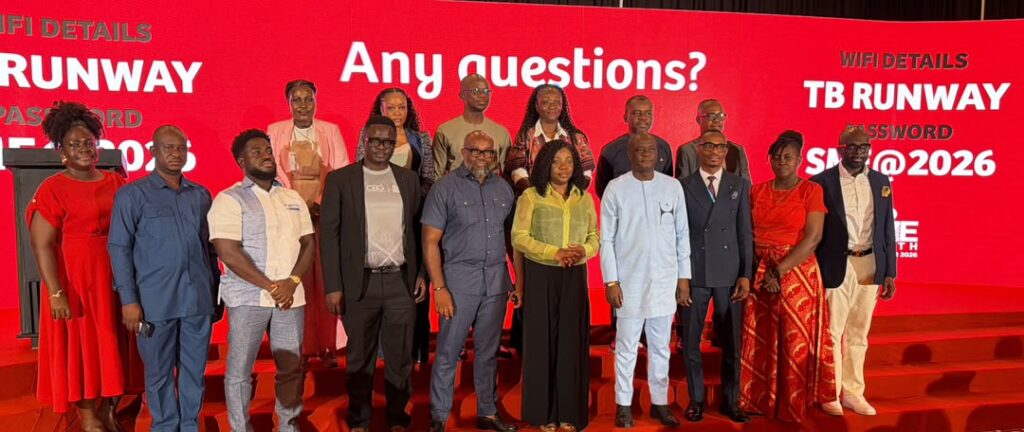
Speaking at the Telecel Business Runway in Takoradi, Dr McKorley identified three broad stages of business development the infant, organic and corporate stages.
He explained that at the infant stage, the entrepreneur is often responsible for almost everything, from cleaning and accounting to sales and operations.
“The infant stage is where you are the cleaner, you are the accountant, you are the salesperson, you are everything,” he said.
According to him, the next stage - the organic stage - is where many businesses begin to make money and attract more people, but can become vulnerable because of weak structures and poor management decisions.
He warned entrepreneurs against confusing growing revenue with a properly structured business.
“What actually builds a lasting company is not strong personality. It's not McDan. What builds a strong company is systems and structures. Corporate governance structures.”
Dr McKorley said one of the difficulties entrepreneurs face at the organic stage is managing employees who may have been brought into the business because of personal relationships.
He said entrepreneurs must eventually be prepared to make difficult staffing decisions if they want their businesses to grow.
“You have to get to a level where you vet yourself... One thing I want to leave you today is hire and fire. If not, you can't grow.”
He illustrated the danger with his experience in the logistics business, where he once operated about 220 trucks across West Africa.
After reviewing the performance of the fleet, he said he discovered that only about 61 or 62 trucks were generating meaningful returns, while the rest were contributing to debts and liabilities.
The experience, he said, reinforced the need for entrepreneurs to regularly examine their operations and determine which parts of the business are actually creating value.
Dr McKorley also urged business owners to invest in human capital despite the risk of losing trained employees to competitors or new ventures.
He recalled travelling to a cargo conference with two members of his staff, while another chief executive attending the same event had travelled alone.
The other executive, he said, explained that he had stopped training employees because people he trained eventually left to establish their own businesses.
McKorley said he took a different approach.
“I will train ten people, nine will go, one will stay... I feel it's my duty to train people. I feel it's my duty to give back.”
He said that approach had helped him build a workforce that included people who had remained with his company for decades.
For him, entrepreneurship requires accepting that growth is a journey involving setbacks, employee turnover and difficult decisions.
Earlier in his presentation, Dr McKorley identified money, people and technology as three areas entrepreneurs must pay serious attention to.
But he cautioned business owners against seeking financing without first understanding what the money is expected to achieve.
“There's a big difference between needing money and knowing what to do with money.”
He urged entrepreneurs to understand their revenue, costs, profit, cash flow, outstanding receivables and liabilities before seeking external financing.
He also warned that raising capital cannot compensate for a fundamentally weak business model.
“Money should accelerate good business. It should not be used to hide bad business models.”
Dr McKorley also reflected on his own journey into business, describing a path that included working as a driver's mate, selling water and kerosene and teaching before eventually building his business empire.
He said his experience had taught him that entrepreneurship requires resilience, discipline, dedication and integrity.
He also encouraged young entrepreneurs to remain committed to their values as they build their businesses.
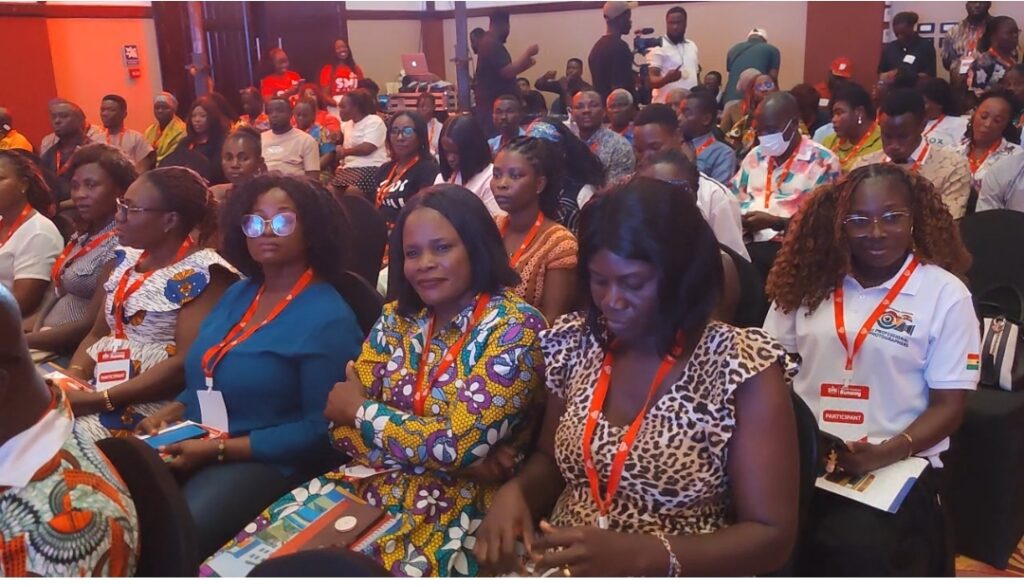
The Telecel Business Runway was held in Takoradi as part of the company's SME-focused activities, bringing together entrepreneurs and business experts to discuss financing, technology, digital marketing, tax compliance, networking and access to markets.
For Dr McKorley, however, the bigger challenge for entrepreneurs is not simply starting a business.
“It is building one that can survive beyond its founder and develop the systems, people and structures required to sustain growth”, he concluded.
Latest Stories
-
Stephen Kojo Adjei
37 seconds -
Govt building pathways for Ghanaian youth to compete across African markets – Opare Addo
10 minutes -
DCOP Rtr Kwaku Ayesu Opare-Addo
10 minutes -
Epiroc urges businesses to deepen support for education in mining communities
15 minutes -
Jay-Z rape accuser says her allegation was false
16 minutes -
KNUST SHS, OWASS, YAGSS progress to national stage of Public Speaking Competition
19 minutes -
10 rooms destroyed in Bebianiha house fire
22 minutes -
Government repatriates 180 Ghanaians from Libya
26 minutes -
GNAT demands independent probe into death of teacher at Gindabour
27 minutes -
Mark Carney says he has considered possibility of US military action against Canada
28 minutes -
Gindabour: GNAT demands GES statement on death of teacher
28 minutes -
6th Western Gospel Awards unveils nominees ahead of November ceremony
29 minutes -
GMTF, GNPC open talks on stronger support for specialised healthcare
31 minutes -
Adu-Boahene case: Atta Akyea files no-case submission, cites evidential gaps, inconsistencies and failure to call material witnesses
49 minutes -
Manchester City ‘found guilty of majority of 115 charges’
57 minutes