

Audio By Carbonatix
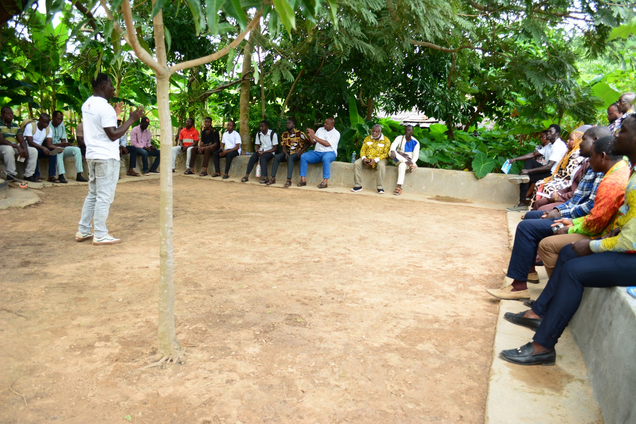
The Centre for Indigenous Knowledge and Organisational Development (CIKOD) has trained Agriculture Extension Agents from selected districts in the Upper East Region on agro-ecological farming practices.
The training, held in Bolgatanga, brought together agriculture officials and other stakeholders to build the capacity of extension officers and equip them with practical knowledge they can transfer to farmers.
The training included a workshop and a field visit to an agroecology farm.
Speaking to JoyNews, CIKOD’s Director of Programmes, Wilberforce Laate, said the training was aimed at teaching simple agro-ecological techniques and encouraging Agriculture Extension Agents to take the knowledge to farmers in the field.
“We have embarked on this journey, bringing the directors of agriculture, the district assembly, and the top officials to deliberate on how we can do a more sustainable kind of farming”, he said.
He added that the initiative is intended to help build a critical mass of farmers adopting agro-ecological practices, amid concerns over the use of agricultural chemicals and their residues in food commodities.
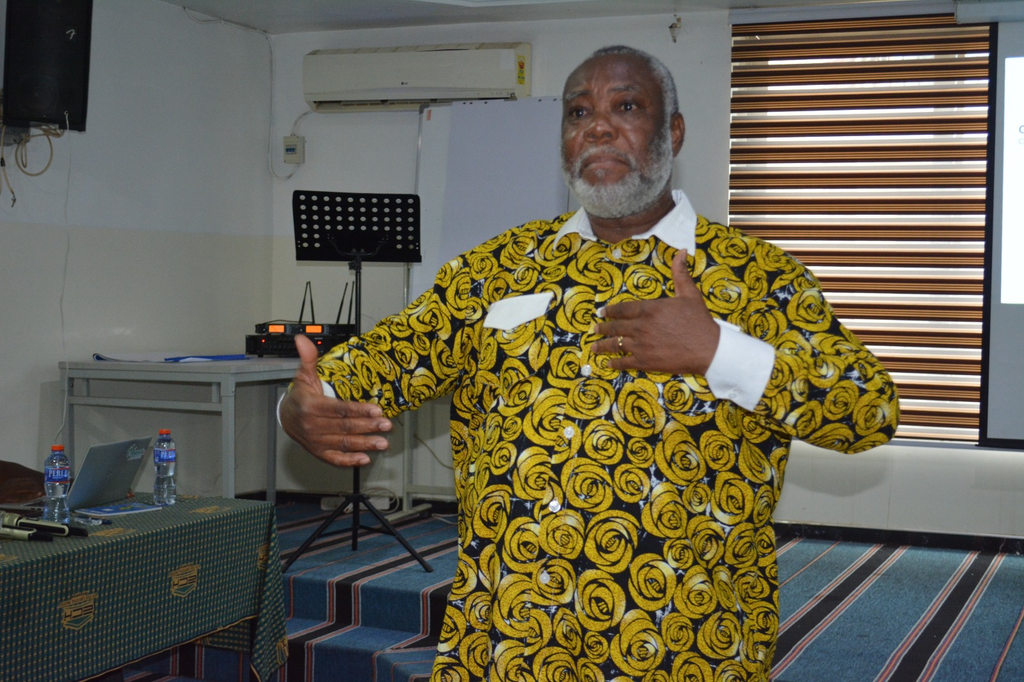
Laate added that CIKOD and its partners are also pushing for the development of an agro-ecological strategy or policy for Ghana.
“We are in discussions with the Ministry of Food and Agriculture, and the Crop Services Directorate. They’ve asked to share a concept note with them, and that’s what we are working on," he said.
Laate expressed hope that once the policy is developed, the government will make budgetary provisions for its implementation.
For Agriculture Department officer in Bongo, Henry Ayamba, the training came at an important time as it focused on building the capacity of Agriculture Extension Agents and increasing their awareness of agro-ecology.
Ayamba said greater investment in agriculture is necessary, warning that “If we fail to spend more in agriculture, then we would have to spend more in terms of Health.”
Participants also highlighted the practical lessons gained from the training.
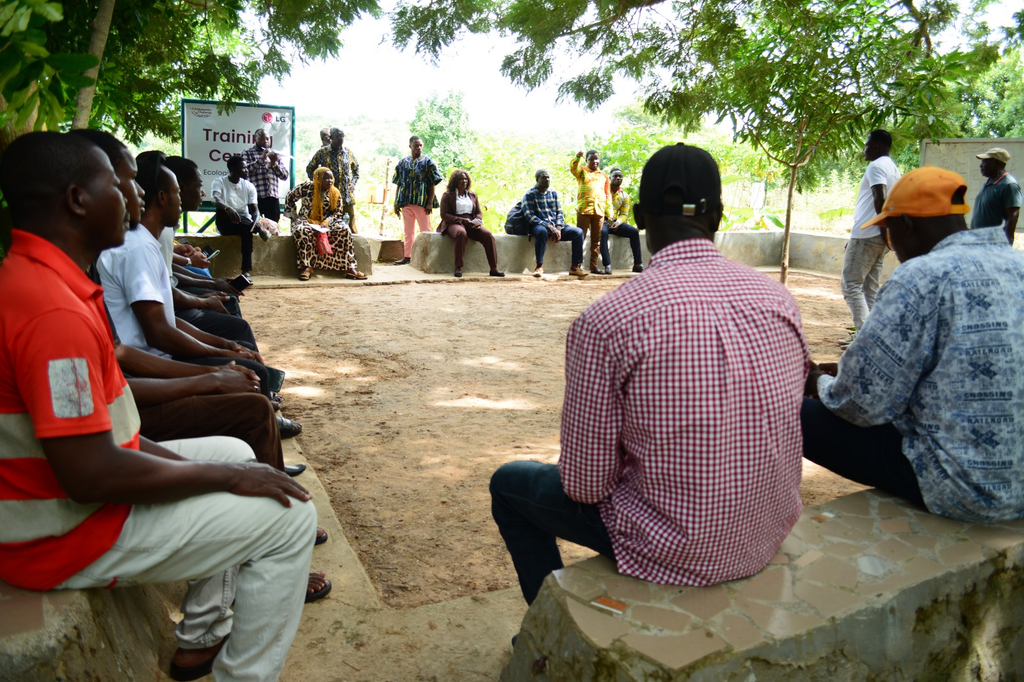
Sarah Ayamba of the Department of Agriculture in the Bolgatanga Municipal Assembly said she gained knowledge on the benefits of applying agro-ecological principles on farms.
“I have learnt a lot about agro-ecology, the benefits of practising the principles of agro-ecology on our farms, and it has really been an impactful workshop," she said.
She added that the field visit also exposed participants to ways of using locally available products to produce fertiliser.
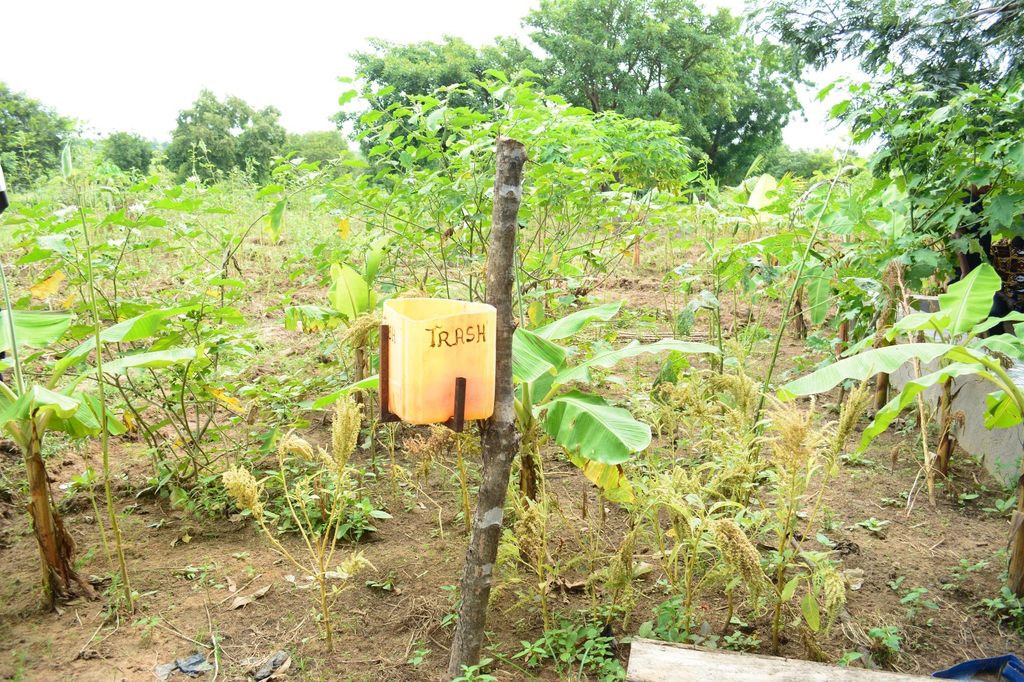
Ayamba said she intends to transfer the knowledge gained from the training to farmers in the field.
The training forms part of CIKOD’s efforts to promote agro-ecological farming and encourage the adoption of more sustainable practices.
Latest Stories
-
African communities have solutions but lack access – Liberian envoy
3 minutes -
Minority calls for dismissal, prosecution of Sports Minister, GTA CEO over World Cup visa scandal
3 minutes -
Chairman and fellow patriots – Irene Ponu-Brenyah writes to NPP
12 minutes -
Nothing Disappears: What Jamestown Beach reveals about Ghana’s styrofoam ban
14 minutes -
Court delays former NAFCO CEO trial to resolve access to seized gadgets
19 minutes -
Joy FM to offer free LPMs to Super Morning Show advertisers on Oct. 9 to mark Customer Service Week
23 minutes -
Sri Lanka’s ex-first lady arrested over alleged misuse of children’s hospital donations
30 minutes -
La Traditional Council kicks against redevelopment of La Pleasure Beach without consultation
32 minutes -
Some basic schools have just 2 or 3 teachers despite needing 9 – Right To Play
37 minutes -
Mahama to cut sod for SSNIT-funded Accra Convention Centre
38 minutes -
FAO calls for stronger REDD+ systems to unlock climate finance
39 minutes -
Illegal mining pushes Birim River turbidity to 50,000 NTU – Abuakwa South MP
39 minutes -
Bawumia’s opponent in 2028 will face nearly two decades of experience and preparation – Gabby Otchere-Darko
42 minutes -
Community 25 water shortage temporary, GWL assures residents
43 minutes -
‘Standing with teachers means supporting them in classrooms’ – NTC Registrar
46 minutes