

Audio By Carbonatix
The Central Regional Education Directorate has called on parents, traditional authorities and communities to intensify efforts to end child marriage and early cohabitation, which expose girls to teenage pregnancy and threaten their education.
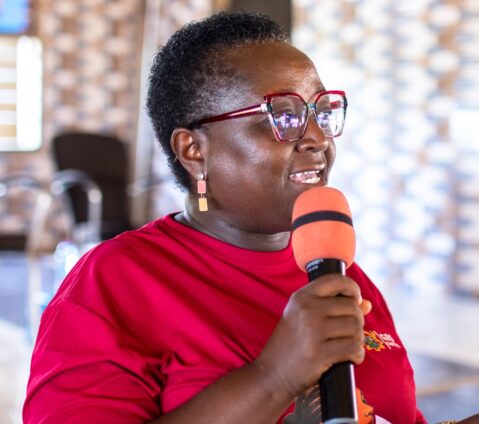
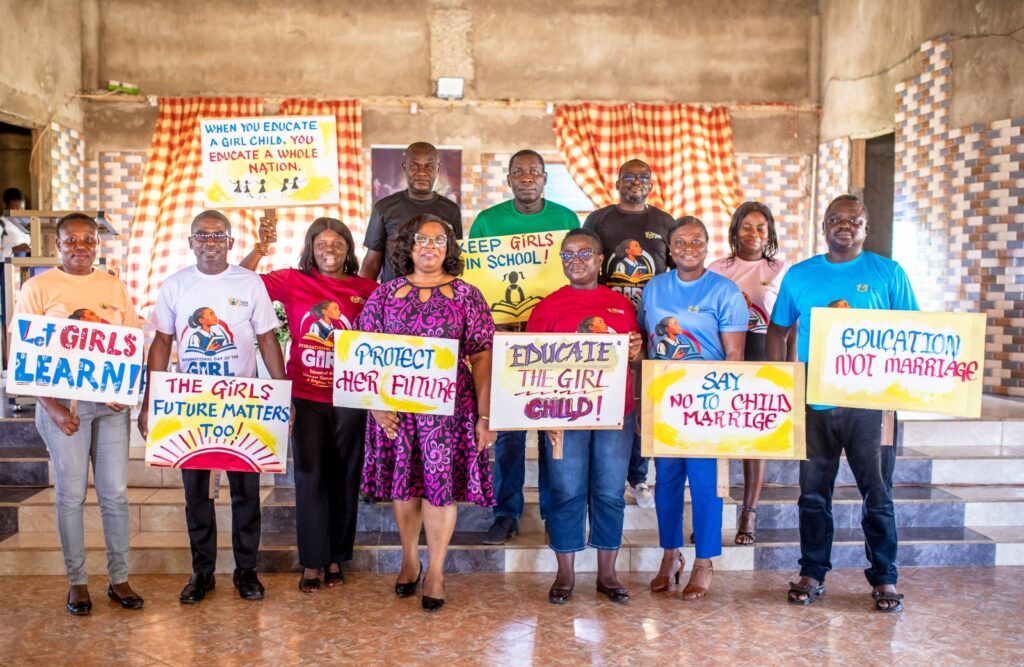
The Directorate, through its Girls’ Education Unit, made the call during the 2026 International Day of the Girl Child celebration at Ekon in the Cape Coast Metropolis.
The event was held under the theme, “End Child Marriage and Invest in the Rights of Girls”.
The Central Regional Director of Education, Dr Juliette Dufie Otami, said Ekon was selected to host the celebration because the community has a high incidence of teenage motherhood and low learning outcomes.
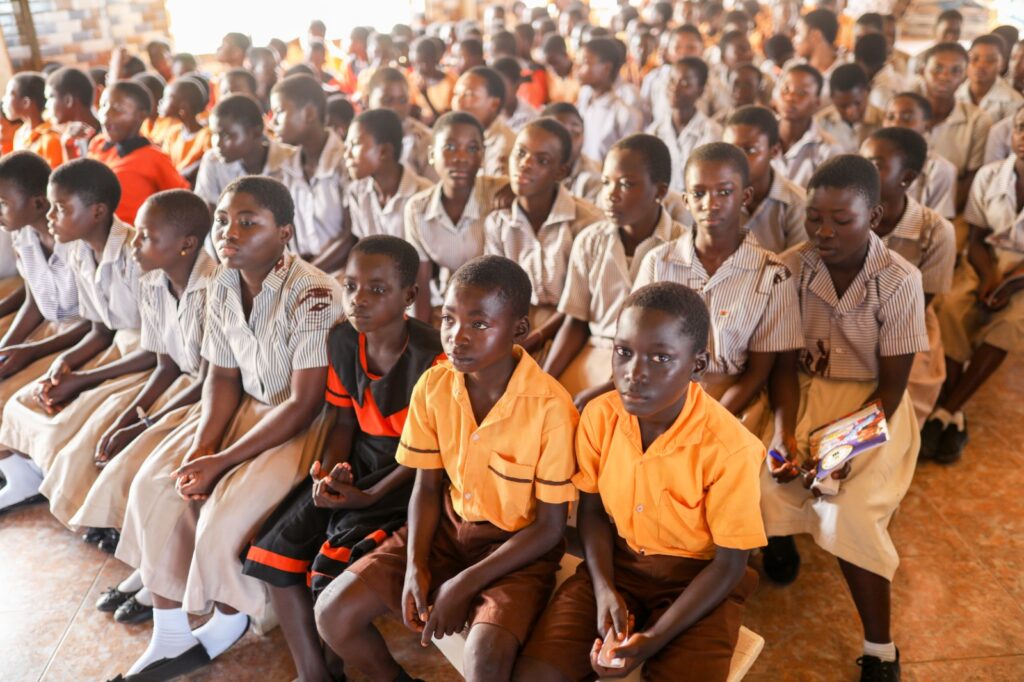
She explained that the Directorate’s presence was not intended to blame the community but to work with residents to address the challenges, which she said could not be resolved by the school system alone.
Dr Otami urged parents and guardians, as children’s first teachers and protectors, to supervise their daughters and ensure they remained in school.
She also challenged chiefs and community leaders to enforce their bylaws to protect children.
“The challenge we throw to the chiefs is that this is the time their bylaws need to work in the communities,” she said.
Dr Otami called on boys to partner in protecting girls by respecting their rights, while urging teachers, particularly male teachers, to serve as protectors, mentors, and role models.
She appealed to stakeholders to commit to keeping every girl in school, reporting and resisting child marriage, supporting young mothers who wished to return to the classroom, and investing in the education, health and future of every child in Ekon.
The Central Regional Girls’ Education Officer, Priscilla Christabel Eshun, said child marriage was not limited to formal marriage ceremonies but also included informal unions in which girls cohabited with boys and men who had the financial means to support them.
She called on parents, traditional authorities and other stakeholders to take collective responsibility for protecting girls from such arrangements.
The guest speaker, Professor Georgina Yaa Oduro, Head of the Department of Anthropology and Sociology at the University of Cape Coast, described child marriage as a gender-based issue rooted in inequality.
She cautioned that justifying the practice on the grounds of poverty and vulnerability only perpetuated deprivation across generations, identifying education as a key means of breaking the cycle.
Professor Oduro added that efforts to end child marriage must begin in the home, with parents taking responsibility for protecting and supporting their daughters.
The guest of honour and Tufohene of the Ekon Traditional Area, Nana Wiabo Kwamina V, urged parents to take a greater interest in the welfare and education of girls.
The 2026 National Sanitation Diplomat, Nabeeha Erasoung Sulemana Atiah, also encouraged parents to support their daughters’ aspirations and help them attain the highest levels of education.
Stakeholders at the event agreed that protecting girls required more than policies and declarations, stressing the need for decisive action by parents, traditional authorities and communities to keep girls in school and safeguard their rights.
Latest Stories
-
Mahama reaffirms commitment to private investment and industrial growth
14 minutes -
‘We have been used and dumped’ – NDC’s James Agbey warns over grassroots neglect
23 minutes -
Ghana defender Marvin Senaya begins training ahead of comeback
26 minutes -
Joyce Bawah Mogtari urges women leaders to build strong support networks
43 minutes -
Bawumia engages GUTA over import duties, VAT and rising business costs
44 minutes -
Fuel prices begin to fall as Star Oil cuts petrol to GH¢16.45
45 minutes -
GoldBod supplies banks with US$282m in weekly forex sales
46 minutes -
Joyce Bawah Mogtari says Obaasima Conference should help women connect and learn
47 minutes -
Ghana’s Crude Oil Production Rebounds by 30% After Five Years of Decline
1 hour -
Nzema East launches Responsible Cooperative Mining Programme to tackle environmental destruction
1 hour -
Ghana included in WHO lead-testing programme as questions remain over local exposure risks
1 hour -
2026 Amputee World Cup: We will win the trophy – Samson Deen
2 hours -
Controller and Accountant-General pays promotion arrears to 56,003 GES teachers ahead of deadline
2 hours -
2026 Amputee World Cup: We want to make the continent proud – Black Challenge coach
2 hours -
International Day of the Girl: Central Region Education Directorate calls for action to tackle child marriage, teenage pregnancy
2 hours